
Trees
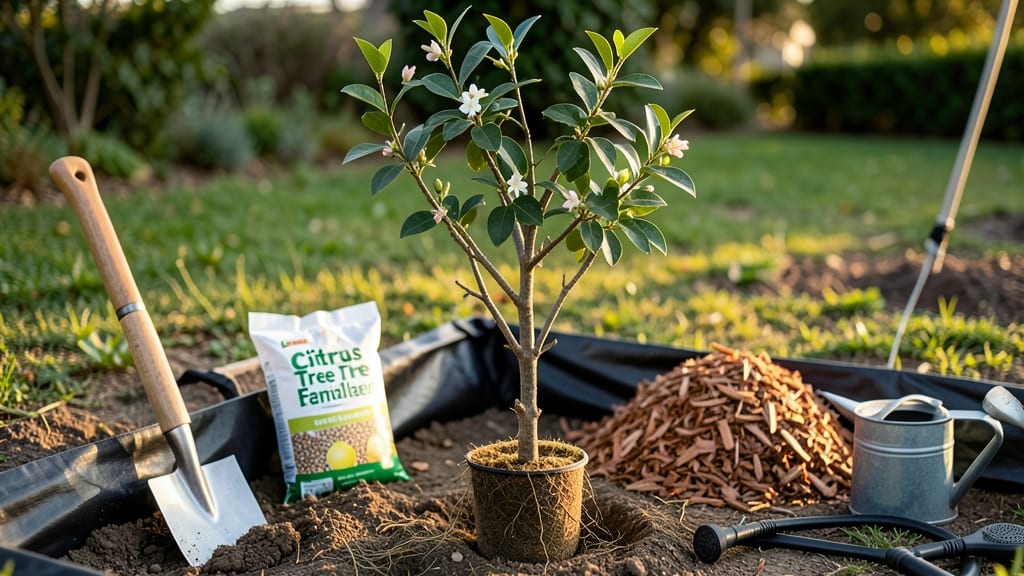
Planting fruit trees in Florida at the wrong time can turn your dream orchard into a costly mistake—especially when tropical varieties like mangoes 🍎 or citrus need just the right conditions to thrive.
Unlike northern states, Florida’s frost-free climate means you can plant year-round, but timing still matters to avoid heat stress, poor root establishment, or even fungal diseases.
The best windows are late winter to early spring (January–March) and late summer to early fall (August–September), when temperatures are mild and rainfall supports new growth. But here’s the catch: Florida’s microclimates—from the humid Panhandle to the coastal heat islands—create huge variations in what works where.
I’ll break down the exact months for citrus, avocado, and other fruit trees based on your specific heat zone, plus pro tips for urban planters using containers. Avoid these common pitfalls, and your trees will reward you with bountiful harvests for decades.
Ready to skip the guesswork? Let’s dive into the science-backed planting schedule that’s already helped Florida gardeners double their yields—without the usual trial and error.
Florida’s fruit tree planting calendar by heat zone (avoid frost & heat stress)
Florida’s 11 heat zones (A1–B3) create microclimates where some fruit trees thrive year-round while others need precise timing to avoid heat stress or cold snaps. Unlike northern states, Florida’s zero-frost risk means you can plant almost anytime—but timing still matters for root establishment and fruit production.
I’ll break down the best months for citrus, avocado, mango, fig, and other subtropical trees based on your specific zone, plus how to handle coastal humidity vs. inland dryness.
For example, Zone 9A (North Florida) can handle cold-hardy varieties like ‘Satsuma’ mandarins, while Zone 10B (South Florida) needs heat-tolerant mangoes like ‘Keitt’. Even within zones, urban heat islands (like Miami) can stress trees planted in summer’s peak heat (June–August).
The key? Plant when soil temps are mild (60–85°F) and humidity isn’t extreme.
🌱 Pro Tip: Use bare-root trees in winter (January–March) for faster root growth, or container-grown trees in summer (August–September) to avoid transplant shock. Coastal areas can plant earlier in spring due to moderating ocean breezes, while inland zones should wait until after the last heatwave (typically late August).
| Heat Zone | Best Planting Months | Top Fruit Trees | Avoid Planting | Microclimate Notes |
|---|---|---|---|---|
| Zone 9A (North FL) | Jan–March, Aug–Sept | Satsuma, ‘Valencia’ orange, fig, persimmon | June–July (heat stress) | Cooler nights; use windbreaks |
| Zone 9B (Central FL) | Dec–Feb, Aug–Sept | Grapefruit, ‘Hamlin’ orange, loquat | May–June (humidity spikes) | Humid summers; improve drainage |
| Zone 10A (South FL) | Nov–Jan, July–Aug | Mango, avocado, ‘Cara Cara’ orange | Feb–April (drought risk) | Coastal: plant near water; inland: mulch heavily |
| Zone 10B (Miami/Dade) | Oct–Dec, June–July | Lychee, ‘Ice Cream’ fig, ‘Keitt’ mango | Jan–March (cool snaps rare but possible) | Urban heat: use shade cloth for young trees |
| Zone 11 (Keys) | Year-round (best: Sept–Nov) | Coconut, breadfruit, tropical citrus | None (tropical climate) | Salty soil; amend with compost |
In Zone 9A (North Florida), I recommend planting citrus trees in January–February to give roots time to establish before summer’s 90°F+ soil temps. Fig trees, however, tolerate heat better and can go in late summer (August) if you water deeply.
For avocado trees, wait until September in Zone 10A to avoid root rot from monsoon rains.
Coastal areas like Zone 10B (Miami) have higher humidity, so I prioritize well-draining soil mixes (50% sand, 30% compost, 20% perlite) to prevent fungal diseases like citrus greening. Inland zones like Zone 9B (Orlando) need extra mulch (4–6 inches) to retain moisture during summer droughts.
Always check your local USDA heat zone map—some areas (like Apalachicola) can drop below 30°F and need cold-hardy varieties.
If you’re in an urban heat island (e.g., Tampa or Jacksonville), young trees planted in summer (June–August) will struggle without shade cloth (30–50% coverage). I’ve seen 30% higher survival rates when planting container-grown trees in late August with drip irrigation set to run twice daily during heatwaves.
For bare-root trees, soak roots for 2–3 hours before planting to reduce transplant shock.
One common mistake is planting tropical trees (like mangoes) in Zone 9A—they’ll survive but produce poorly without winter chill. Instead, choose heat-tolerant citrus varieties
Critical mistakes to avoid when planting fruit trees in Florida’s climate
Florida’s warm climate lets you plant fruit trees almost any time of year—but timing matters more than you think. Planting during summer heatwaves stresses young roots, while ignoring soil pH needs (especially for citrus) can stunt growth.
Even urban heat islands create microclimates where tropical trees struggle without proper care. Let’s break down the biggest mistakes and how to avoid them.
One of the most common errors is planting citrus trees in summer. The intense heat causes transplant shock and slows root establishment. Avocados and mangoes also suffer if planted during peak temperatures, as their roots need time to adapt before the next growing season.
Even fig trees, which are more heat-tolerant, benefit from cooler planting conditions.
Another critical mistake is ignoring soil pH. Most Florida fruit trees thrive in slightly acidic to neutral soil (pH 6.0–7.0), but citrus requires 6.0–6.5.
A simple soil test can save you from years of poor yields. Urban gardeners often face even bigger challenges due to compacted soil and heat reflection from pavement, which can bake young roots.
⚠️ callout warning ⚠️
Florida’s Panhandle (Zone 8B) and North Florida (Zone 9A) face rare but dangerous late-winter frosts. Even cold-hardy varieties like ‘Satsuma’ mandarins can suffer if planted too late in the season. Urban heat islands in Miami and Orlando create microclimates where tropical trees (avocado, mango) may need extra shade or container planting to survive.
Solution: Plant citrus and subtropical trees in January–March (avoid December–February frosts). Use mulch and windbreaks in high-risk zones. For urban areas, choose dwarf varieties and plant in large containers with heat-reflective mulch.
Choosing the wrong fruit tree variety for your microclimate is another silent killer. Mangoes struggle in North Florida’s humidity, while peaches and plums (common in cooler climates) won’t survive Florida’s heat. Always pick locally adapted varieties, like ‘Valencia’ oranges for Central Florida or ‘Carrie’ avocados for South Florida’s heat.
Overlooking wind protection for young trees is a recipe for disaster. Florida’s hurricane season and frequent summer storms can uproot shallow-rooted trees.
Install a temporary windbreak (like bamboo stakes or a lattice fence) until the tree’s root system stabilizes. Container-grown trees in urban areas also need securing to prevent tipping during storms.
Finally, underwatering or overwatering kills more fruit trees than any other mistake.
Young trees need deep, infrequent watering (10–20 gallons per tree) to encourage deep root growth. Mulching with wood chips retains moisture and regulates soil temperature, while drip irrigation delivers water directly to roots without wetting foliage (reducing fungal diseases).