
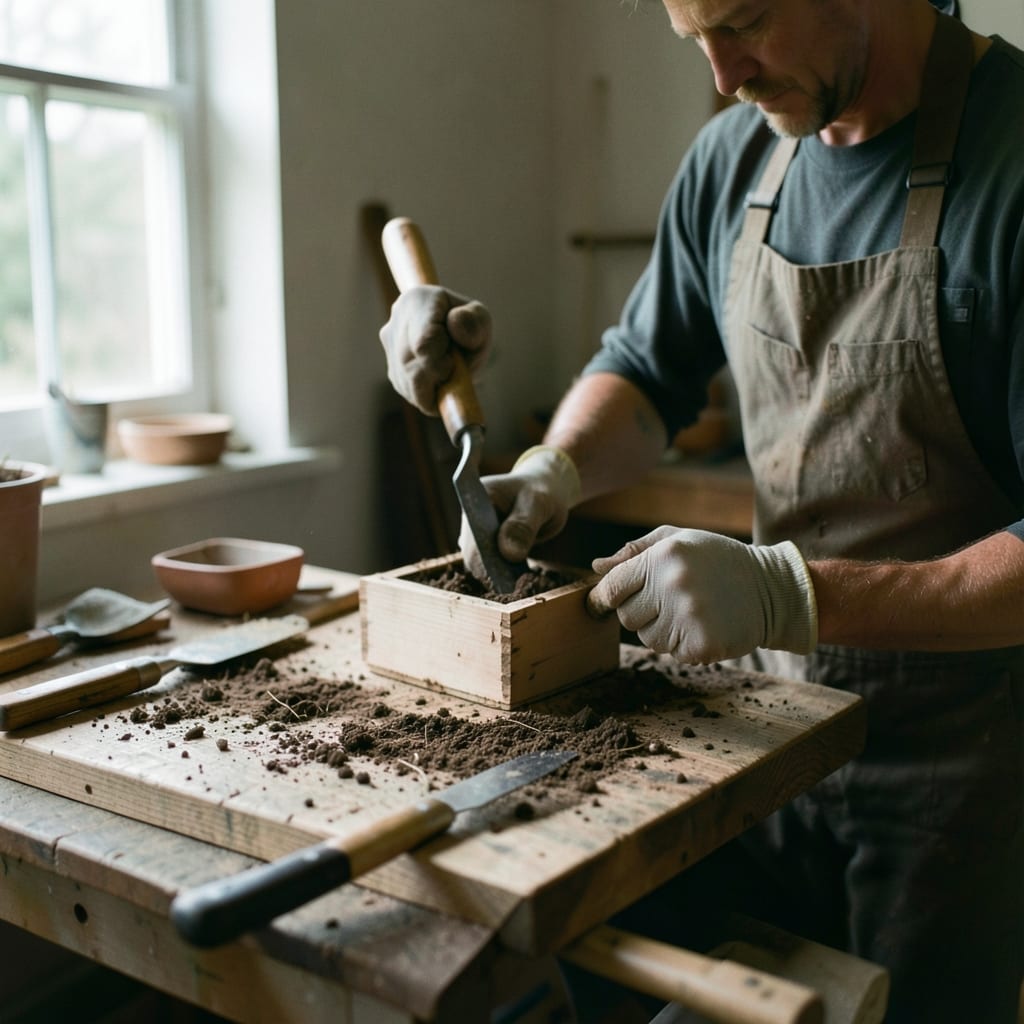
You have read a hundred of these
You’re right to assume we’ve heard it before: *‘Gardening is easy—just plant the seed and wait.’* But that’s like saying ‘just turn the key’ explains why a car won’t start. Soil isn’t neutral. Seasons don’t care about your schedule.
And the ‘perfect’ conditions you read about online are usually written by people who’ve never seen a tomato blight or a frost hit before the first true leaves appear.
We don’t ignore the chaos. Every tip here comes from a failure—ours or someone else’s. The ‘wait six weeks’ advice? That’s after we counted the days between sowing basil in May and watching it bolt in June. The ‘full sun’ rule?
That’s after we learned the hard way that ‘full sun’ in Arizona means something different than ‘full sun’ in Oregon.
If we told you gardening is simple, we’d be lying. But we *can* tell you how to spot the lies in other advice—and how to work around them without losing your plants (or your patience).
It’s a lie that makes new growers throw their gloves in the dirt.
Anyone can write that they test things
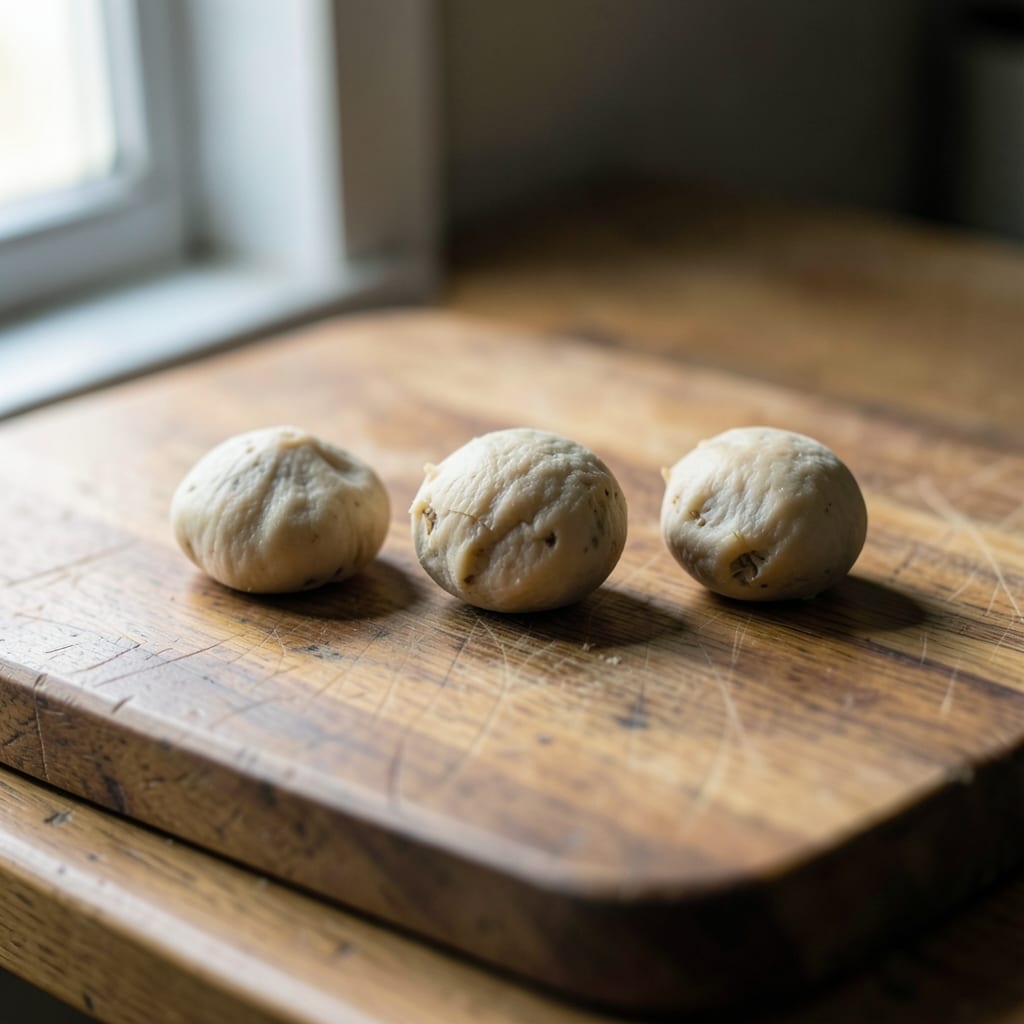
Testing here means growing the same variety in three different soils—sandy, clay, and loam—over two seasons. It means planting half the seeds in direct sun and half in partial shade, then comparing the results.
It means letting half the batch get watered only when the soil is bone-dry, and the other half on a strict twice-weekly schedule, just to see what happens when you ignore the ‘water when the top inch is dry’ rule.
We’ve lost entire trays of seedlings to overwatering, only to replant the same seeds and document why the second batch thrived. We’ve let zucchini vines sprawl unchecked for a month, then pruned them back to see how much yield we could salvage.
And yes, we’ve dug up ‘failed’ experiments—like the time we swore our heirloom tomatoes would handle black plastic mulch, only to watch them rot at the stem—because even a mistake teaches you something.
Nothing here is ‘tested’ in the way a magazine might try a new fertilizer once in their backyard. If a method doesn’t hold up in *our* hands—with our soil, our weather, and our track record of killing houseplants—it doesn’t make the page.
We know what happens when you test a seed packet in a single 6-inch pot and call it ‘rigorous.’
About the author

Vince Calderon is the founder and editor of *Planter Bloom*, where he turns childhood dirt-stained hands into grown-up gardening advice.
The rules we work by
- 1No shortcuts for soil
We test every amendment—compost, worm castings, even ‘miracle-gro’—in the same plot for three months before recommending it. Cost: Two extra bags of topsoil and a pH meter we didn’t need for anything else.
- 2Seasonal truth over calendar dates
‘Plant tomatoes after the last frost’ is useless if your last frost is in April but your soil stays cold until June. We track heat units, not just days. Cost: A cheap soil thermometer and a lot of patience waiting for the ground to warm.
- 3Pests get a voice
We don’t just describe damage—we grow the same crop alongside an untreated one to show what the bugs *actually* take. Cost: Half our garden space goes to ‘control’ plants we’ll never eat, just to compare.
- 4Tools break before pride does
A $20 trowel lasts six months if you’re gentle. We use the same one until the head snaps, then write about how to spot a weak handle before it happens. Cost: Replacing tools is cheaper than replacing plants—and far less embarrassing.
- 5We admit when we’re wrong
The ‘never prune roses in fall’ rule? We broke it twice before realizing some varieties *thrive* with a late-season trim. Cost: Three dead canes and a lesson in reading the leaves, not the rulebook.
Breaking one of these rules doesn’t mean we’re bad at gardening—it means we’re still learning. The time we swore our ‘drought-proof’ succulents would survive on rainwater alone? They lasted two weeks before wilting. The year we planted beans ‘just like the packet said’ and got nothing but stringy pods?
That’s when we started measuring soil nitrogen. Every mistake here is a note in the margin of someone else’s garden journal.
This will not be right for everyone
Close this page if you’re looking for ‘foolproof’ methods or a step-by-step guide that ignores your climate. If you want to know why your neighbor’s roses bloom in July but yours don’t, or how to fix the soil without spending a fortune, you’re in the right place.
But if you’d rather hear that ‘all you need is love and a watering can,’ this isn’t that site.
We’re here for the people who’ve already Googled ‘why is my basil turning yellow’ at 2 a.m. and gotten answers that either don’t apply or assume you’re a botanist. If that’s not you, no hard feelings—just head to the seed catalogs or the local nursery.
They’ll tell you what you want to hear.
You could just be told what you want to hear
If there’s something else you’d rather know—like why your peppers keep cracking or how to revive a root-bound fern—tell us on the contact page. We’d rather hear it from you than guess.
Worth telling you
- The exact temperature our compost pile hit before it stopped steaming (142°F, and yes, we measured it).
- Why we stopped using raised beds for tomatoes after three years of blight (the wood retained too much moisture).
- The one herb we’ve never successfully grown from seed—and how to cheat the system with cuttings instead.
The guides are grouped by category: Advice, Aphids, Blooming, Companion Plants, Container Gardens and Diseases.