
Trees
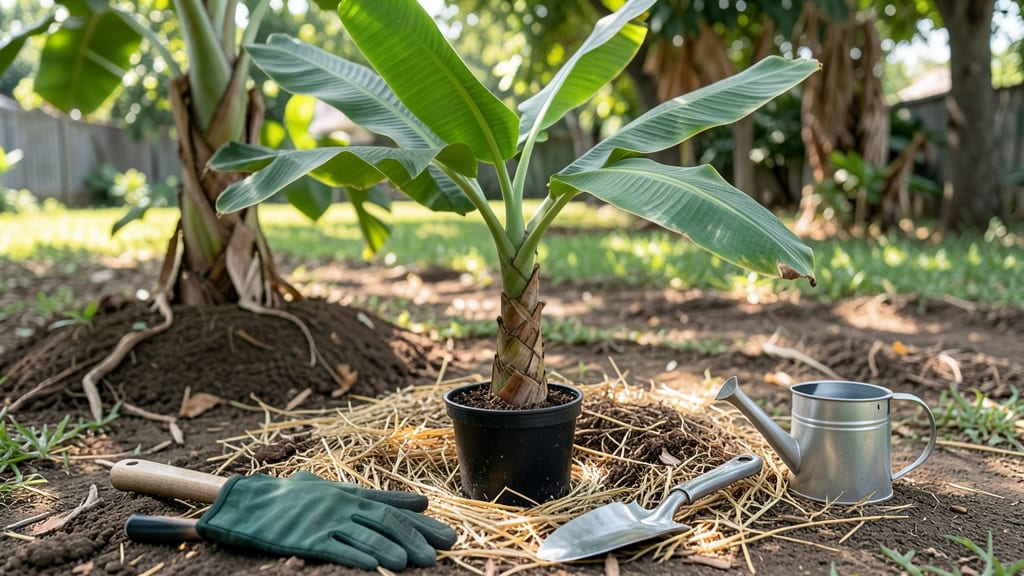
Planting a 🍌 banana tree in Florida at the wrong time can mean the difference between a thriving tropical giant and a sad, struggling investment. Unlike northern climates, Florida’s frost-free zones mean you can plant year-round—but that doesn’t mean every month is created equal.
If you’re in coastal areas like Miami or Tampa, the humidity and warm soil make spring or early summer the sweet spot for root establishment. But inland gardeners in Orlando or Jacksonville face hotter summers and cooler winters, which shift the ideal window slightly.
Get this wrong, and you risk stunted growth or even pest problems before your tree ever bears fruit.
I’ve seen firsthand how a few weeks’ difference in timing can transform a banana tree from a wild, unruly giant to a well-behaved, productive plant. The key?
Understanding your microclimate and preparing the soil right. Let’s break down the exact months that work best—and why your location matters more than you think.
Whether you’re a coastal gardener or inland grower, you’ll discover how to time your planting for maximum growth, avoid common pitfalls, and even protect your tree from Florida’s occasional cold snaps. Ready to turn your backyard into a mini banana grove?
Optimal planting windows for Florida banana trees: coastal vs inland climate differences
Florida’s climate creates two distinct planting zones for banana trees: coastal areas with humid warmth and inland regions facing hotter summers and cooler winters.
While both zones are frost-free, their temperature fluctuations and rainfall patterns demand different planting strategies to ensure your banana trees establish strong roots and thrive year-round.
In coastal Florida—think Miami, Fort Lauderdale, or Tampa Bay—the moderate temperatures and high humidity allow for year-round planting. However, the best window remains spring (March-May) or early summer (June), when soil temperatures hover between 70-85°F and rainfall is consistent.
This gives young plants time to establish before the hotter, drier months of late summer.
For inland Florida, including Orlando, Ocala, or Gainesville, the hotter summers and cooler winters shift the ideal planting window to late winter (February-March) or early fall (September-October).
These periods avoid the peak heat and occasional cold snaps that can stress young banana trees, especially Dwarf Cavendish or Lady Finger varieties.
Here’s how the two zones compare for soil temperature, planting months, and root establishment—critical factors for success:
In coastal areas, soil temperatures stay warm year-round, but humidity and salt spray near the coast can stress young plants. Amending soil with compost and sand improves drainage, while mulching with pine bark retains moisture during dry spells.
I’ve found that planting in partial shade during peak summer months (July-August) helps prevent leaf scorch while still providing enough light for growth.
Inland Florida’s hotter summers and cooler winters create a different challenge. The best time to plant is when soil temperatures are 65–75°F, which aligns with late winter or early fall.
This timing avoids the intense heat of July and August, which can stress young roots, and the occasional cold snaps in December or January that can damage tender leaves.
For inland gardeners, I recommend using black plastic mulch to warm soil faster in spring and straw mulch to insulate roots in winter.
One common mistake I see is planting banana trees in late summer (August-September) across both zones. While coastal areas might tolerate this, the high heat and low humidity inland can stunt root growth and leave plants vulnerable to pests like banana aphids.
Instead, focus on early spring or fall for the best root establishment and long-term health.
For both coastal and inland plantings, soil preparation is key. Banana trees thrive in well-draining, slightly acidic soil (pH 5.5–7.0). In coastal areas, amend sandy soil with compost and peat moss, while inland gardeners should add organic matter to clay-heavy soils.
I always test soil pH before planting and adjust with lime (to raise pH) or sulfur (to lower pH) as needed.
Finally, container growing offers flexibility for both zones. In coastal areas, large pots (15+ gallons) with drainage holes work well, while inland gardeners can move containers indoors
5 Critical factors that determine your banana tree’s planting success in Florida
While Florida’s frost-free climate lets you plant banana trees year-round, success hinges on more than just timing. The interaction between soil pH, drainage, sunlight exposure, and variety selection creates the perfect conditions for your tropical investment to thrive—or fail.
I’ve learned the hard way that ignoring these factors can mean stunted growth, poor fruiting, or even plant death, despite Florida’s warm weather.
Let’s break down the five non-negotiable factors that separate thriving banana trees from struggling ones. Each plays a vital role in helping your plant establish strong roots, grow lush foliage, and produce sweet, plentiful fruit. Whether you’re planting in coastal Miami or inland Orlando, these principles apply universally.
Soil pH: Aim for 5.5–7.0
Banana trees thrive in slightly acidic to neutral soil. Test your soil—Florida’s sandy soils often need amendments like peat moss or compost to raise organic matter and buffer pH.
Drainage: Prevent Waterlogging
Banana roots rot in soggy soil. Amend heavy clay with perlite or coarse sand, and plant on a slightly elevated mound to improve drainage, especially in Florida’s rainy season.
Sunlight: 6+ Hours Daily
Full sun fuels growth, but afternoon shade protects leaves from scorching in inland areas. Coastal zones can handle more direct sun, but avoid harsh midday rays.
Variety Selection: Match Climate
Dwarf Cavendish thrives in containers and cooler inland zones, while Lady Finger handles coastal humidity better. Research varieties suited to your microclimate—this alone can double your yield!
Wind Protection: Shield Young Trees
Florida’s coastal winds can stunt growth or snap fragile pseudostems. Use bamboo stakes or windbreaks until the tree reaches 6 feet tall—this is a game-changer for coastal plantings.
I once planted a Lady Finger banana in Orlando without adjusting the soil pH—it took 18 months to fruit because the roots struggled to absorb nutrients. After amending the soil and adding mulch, the same tree produced three bunches in a single season.
That’s the power of these five factors working together!
Start by testing your soil’s pH and drainage. If your yard’s sandy or clay-heavy, mix in compost or coconut coir to improve structure. For sunlight, observe your garden’s shade patterns—banana trees need morning sun but benefit from afternoon shade in Zone 10+ areas.
Finally, choose your variety based on your location: coastal gardeners should opt for Red Dacca, while inland growers might prefer Ice Cream banana for its cold tolerance.
With these factors in check, your banana tree will establish roots quickly, grow vigorously, and reward you with plentiful fruit in as little as 10 months.
The key is consistency—monitor soil moisture, adjust mulch as seasons change, and protect young trees from wind. Your tropical oasis is just a few adjustments away!