
Plants
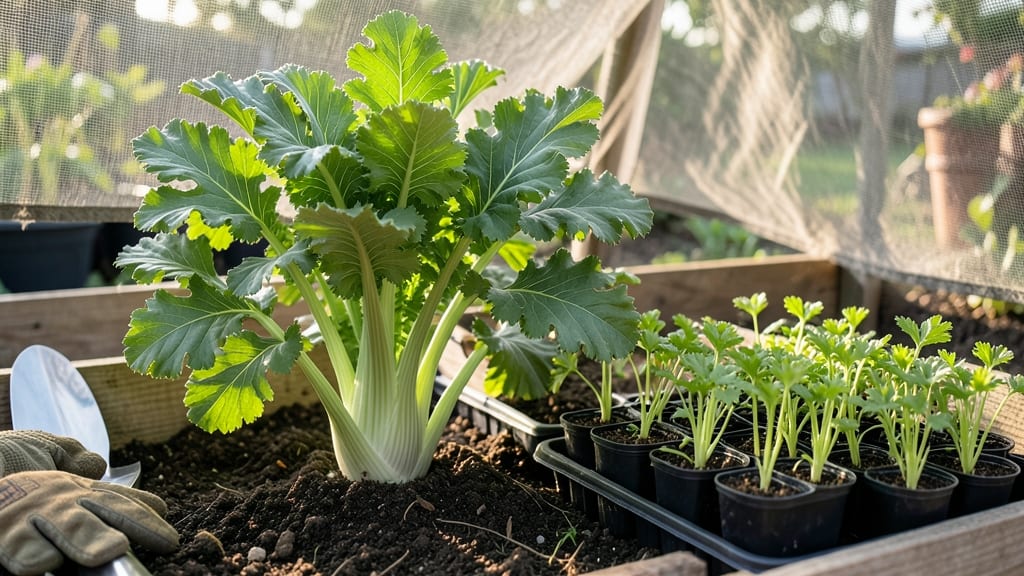
Louisiana celery planting calendar: coastal vs inland start dates
Timing your celery planting in Louisiana depends on whether you're in the coastal or inland regions. Coastal areas like New Orleans and Lafayette enjoy milder winters and warmer springs, while inland zones (like Shreveport) experience colder snaps. These differences mean your planting window can shift by 2-3 weeks between zones.
For both regions, celery thrives in cool weather between 50°F and 75°F. Heat above 80°F causes bolting (flowering), while temperatures below 40°F stunt growth. Louisiana’s last frost date typically falls around March 15 in coastal areas and March 30 inland, which directly impacts when you should start seeds.
Coastal Louisiana (USDA zones 8b-9a) can begin direct sowing as early as late February for a spring harvest. Inland areas (zones 7b-8a) should wait until early March to avoid frost damage. For a fall harvest, both regions aim for August planting, but coastal gardeners have until early September while inland gardeners must finish by mid-August.
| Region | Spring Planting Window | Last Frost Date | Fall Planting Window | Harvest Window |
|---|---|---|---|---|
| Coastal (e.g., New Orleans, Lafayette) | Late Feb - Early Mar | March 15 | Aug 1 - Sep 5 | May-Jun & Oct-Nov |
| Inland (e.g., Shreveport, Monroe) | Early Mar - Mid Mar | March 30 | Aug 1 - Aug 15 | May-Jun & Oct-Nov |
If you're unsure about your last frost date, check the Louisiana Climate Center or use your local Cooperative Extension Service for precise data.
For coastal gardeners, starting seeds indoors in late January gives you a head start, while inland gardeners should begin indoor sowing in early February to transplant after the last frost.
For direct sowing outdoors, wait until soil temperatures stay above 50°F consistently. Use a soil thermometer to monitor—celery roots struggle in cold soil. In coastal areas, this is typically mid-March; inland, it’s often late March or early April.
Pro tip: Heat-tolerant varieties like 'Tall Utah' or 'Golden Self-Blanching' perform better in Louisiana’s warm springs. These varieties handle brief heat spikes better than traditional types, giving you more flexibility with planting dates.
Remember, celery is a cool-season crop, so avoid planting during Louisiana’s peak summer heat (June-August). Instead, focus on spring and fall for the crispiest, most flavorful stalks. With the right timing, you can enjoy homegrown celery from May through November!
For succession planting, sow new seeds every 2-3 weeks during your region’s planting window to ensure a continuous harvest. This works especially well for fall crops in coastal Louisiana, where you can extend harvests into December with proper protection.
Louisiana celery planting calendar: coastal vs inland start dates
Louisiana’s climate divides into two distinct zones for celery planting: coastal areas (like New Orleans and Baton Rouge) and inland regions (such as Shreveport and Monroe). Coastal zones enjoy warmer winters and earlier springs, allowing a 2–3 week head start compared to inland areas.
This difference means your last-frost dates shift from mid-March in coastal zones to late March inland, changing your planting window entirely.
For coastal Louisiana, aim to start celery seeds indoors by late February or sow directly after February 20. Inland gardeners should wait until mid-March for indoor starts or March 20 for direct sowing.
Both regions can also plant a fall crop in August, but coastal areas have a slightly longer window before heat sets in.
Why timing matters: Celery bolts (goes to seed) in temperatures above 80°F, so coastal gardeners must act fast. Inland areas face hotter summers, making fall planting the safer bet. Miss the window, and you’ll end up with bitter, stringy stalks instead of crisp harvests.
| Zone | Spring Planting Window | Fall Planting Window | Last Frost Date |
|---|---|---|---|
| Coastal (e.g., New Orleans) | Late Feb–Early Mar (indoors) / After Feb 20 (direct) | Early Aug–Mid Sep | Mid-March |
| Inland (e.g., Shreveport) | Mid-Mar (indoors) / After Mar 20 (direct) | Late Aug–Early Sep | Late March |
To maximize success, test soil temperatures before planting—celery thrives in soils between 60–70°F. Coastal gardeners can often plant directly in the ground by early March, while inland areas may need to wait until April 1 for safe soil temps. Use a soil thermometer to confirm readiness.
Pro tip: Hardening off seedlings is critical in Louisiana’s humidity. Acclimate transplants over 7–10 days by gradually exposing them to afternoon sun and wind. Skip this step, and your celery will wilt or bolt under stress.
Start by placing seedlings in dappled shade for a few hours daily, then increase exposure.
For a second harvest, try succession planting every 2 weeks after your initial sowing. This ensures a steady supply of celery from May through November in coastal areas and June through October inland.
Just remember: shade cloth becomes your best friend in late spring to protect young plants from heat spikes. ☀️