
Trees
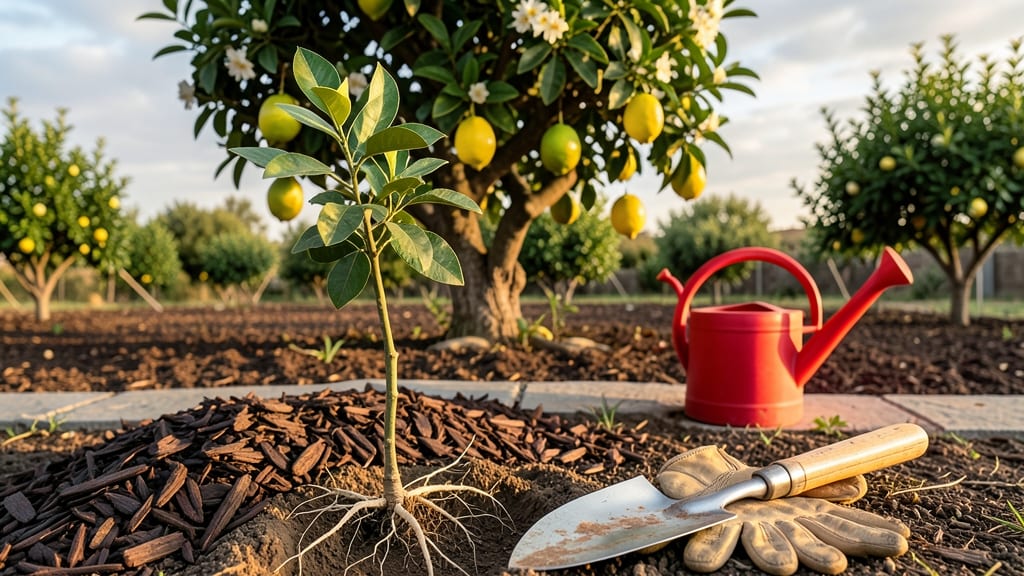
Planting your 🍊 citrus tree in Southern California at the wrong time could mean the difference between a thriving orchard and a sad, wilted sapling—even though frost rarely visits.
The key isn’t just avoiding cold snaps (there are almost none here), but timing it so your tree gets the perfect start in the region’s unique microclimates.
I’ve watched citrus trees struggle when planted too early or late, and the secret lies in soil warmth and seasonal rhythms. Whether you’re in coastal Malibu or inland Riverside, the best window isn’t just “spring”—it’s a 3-month sweet spot where roots establish before summer’s heat stress kicks in.
You’ll learn exactly when to dig that hole, how to prep your soil for zero frost risk, and why some gardeners swear by late winter while others wait until spring. Spoiler: it’s not one-size-fits-all, especially when coastal areas and inland valleys play by different rules.
Let’s cut through the guesswork so your 🍊 citrus tree grows strong, fruity, and frustration-free—no matter where you live in SoCal.
Best planting months for citrus trees in Southern California’s microclimates
Southern California’s Mediterranean climate offers year-round citrus growing, but timing matters. Unlike northern states, we rarely face frost—but microclimates create subtle differences between coastal and inland areas. Planting in the wrong window can stress young trees or expose them to unexpected cold snaps in inland valleys.
Most citrus varieties thrive when planted during late winter to early spring (February through April). This window aligns with soil warming and active root growth, giving trees a head start before summer’s heat.
Coastal areas like San Diego or Santa Barbara enjoy frost-free conditions year-round, while inland zones (e.g., Inland Empire) may experience rare light frosts in December or January.
Here’s how to leverage Southern California’s unique growing conditions for zero frost risk and optimal establishment:
| Region | Best Planting Window | Soil Temp Threshold (°F) | Key Considerations |
|---|---|---|---|
| Coastal (e.g., LA, San Diego) | Year-round, but Feb-Apr ideal | 60°F+ (consistent) | Frost-free; prioritize well-draining soil to prevent root rot. |
| Inland Valleys (e.g., Riverside, San Bernardino) | March-April (avoid Dec-Jan) | 65°F+ (warmer soils reduce shock) | Rare light frosts possible; protect young trees with burlap wraps. |
| High Desert (e.g., Palm Springs) | April-May (avoid fall) | 70°F+ (hotter soils needed) | Extreme heat stress; mulch heavily and water deeply. |
| All Regions (Potted Citrus) | Year-round (best spring-fall) | 60°F+ (pots heat up faster) | Move containers to shade in summer; avoid cold drafts. |
For coastal gardens, February through April is the sweet spot—soil temperatures hover around 60–65°F, encouraging root development without summer heat stress. Inland areas should delay planting until March or April to avoid even the rare December frost that can sneak into valleys like Riverside or San Bernardino.
High desert regions (e.g., Palm Springs) demand extra caution: Plant in April or May when soil temperatures exceed 70°F. Young trees struggle with the intense sun and heat spikes common in these areas. Always mulch deeply (3–4 inches) to insulate roots.
Potted citrus trees offer flexibility—plant anytime, but spring or fall minimizes transplant shock. If planting in summer, provide afternoon shade and water daily until roots establish. Avoid winter planting unless using a greenhouse or heated container.
Pro tip: Check local microclimate data via USDA Plant Hardiness Zone Map or California Climate Zones. Even a 5-mile elevation change can shift frost risk significantly. For example, Pasadena (Zone 10a) is safer than Altadena (Zone 9b) for late-winter plantings.
🍊
How to avoid common mistakes when planting citrus in Southern California
Planting citrus trees in Southern California requires careful timing and preparation to avoid costly mistakes. Even though our region enjoys mild winters, unexpected late frosts can still occur in inland valleys like the San Joaquin Valley or Antelope Valley.
Meanwhile, poor soil drainage and incorrect pH levels can stunt growth or even kill young trees if left unchecked.
One of the biggest pitfalls I see is gardeners rushing to plant citrus too early in the year. While it might seem logical to get a head start in January or February, young roots are still vulnerable to unpredictable cold snaps.
Even a single night below 28°F can damage tender citrus roots, setting your tree back months. The same goes for summer planting—intense heat and drought stress can overwhelm newly planted trees before they establish roots.
Another critical mistake is ignoring soil pH requirements. Citrus trees thrive in slightly acidic to neutral soil with a pH between 6.0 and 7.0.
Many Southern California soils, especially in clay-heavy areas like the Inland Empire, naturally lean toward alkaline (pH 7.5+), which locks out essential nutrients like iron and zinc. Without addressing this, your tree may show signs of chlorosis (yellowing leaves) despite adequate water and fertilizer.
Finally, overlooking drainage needs can be fatal. Citrus trees hate soggy roots, and Southern California’s native clay soils often compact when wet, creating waterlogged conditions.
Many gardeners assume their soil drains well, but a simple percolation test (digging a 12-inch hole and filling it with water) can reveal hidden drainage issues. If water pools after 6 hours, your tree is at risk of root rot.
- Planting too early: Never plant before mid-February in inland areas or late January near the coast. Wait until soil temps stay above 60°F for 3+ days.
- Ignoring soil pH: Test your soil—if pH is above 7.0, amend with elemental sulfur (1 lb per 100 sq ft) 2-3 months before planting.
- Poor drainage: Amend clay soil with 30% compost or coarse sand to improve aeration. Consider raised beds if native soil is heavy.
To fix soil pH issues, start by testing your soil with a home pH kit (available at garden centers for ~$10). If the pH is too high, work in elemental sulfur or peat moss 2-3 months before planting to allow time for adjustment.
For drainage problems, mix in organic matter like composted manure or coconut coir to break up clay. If your yard has severe drainage issues, consider planting in a raised bed or container with a gravel layer at the bottom.
Once you’ve addressed these common mistakes, focus on watering deeply after planting to encourage root growth. Mulch around the base with 2-3 inches of wood chips to retain moisture and regulate soil temperature.
Avoid overwatering—citrus trees prefer consistent moisture but can’t tolerate waterlogged conditions. In the first 3 months, water 2-3 times per week, then taper off as the tree establishes.
By avoiding these pitfalls, your citrus trees will have the best chance to thrive in Southern California’s unique climate. With the right timing, soil prep, and care, you’ll be enjoying homegrown lemons, oranges, and limes in no time! 🍋🌱