
Plants
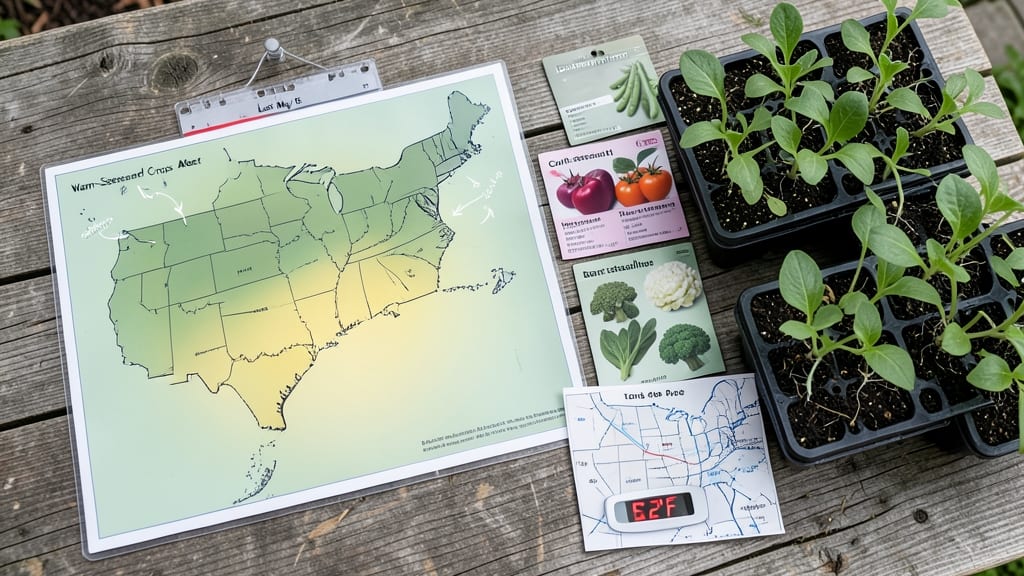
Michigan’s last frost dates by USDA Zone (2024 guide)
Michigan’s last frost dates vary dramatically across its 6 USDA zones (4a-6b), with northern regions like the Upper Peninsula facing frost risks well into May or June, while southern areas like Detroit often see safe planting by mid-April.
These dates determine when you can plant warm-season crops like tomatoes, peppers, and beans without risking frost damage to tender seedlings.
For cool-season crops such as lettuce, peas, and spinach, you can start planting as early as late March in Zone 6b, but always wait until soil temperatures rise above 40°F (4°C) to prevent stunted growth.
Urban areas like Ann Arbor or Grand Rapids may experience earlier last frosts than rural zones due to the "urban heat island" effect.
To find your exact microclimate, check the USDA Plant Hardiness Zone Map and cross-reference with local weather data from sources like the Michigan State University Extension. Even within the same zone, elevations and bodies of water can shift frost dates by 1-2 weeks.
Here’s a breakdown of average last frost dates by zone, along with critical planting windows for your most popular crops:
| USDA Zone | Avg. Last Frost | Safe Planting Window | Warm-Season Crops | Cool-Season Crops |
|---|---|---|---|---|
| Zone 4a (Upper Peninsula) | May 15–20 | After May 20 | Tomatoes, peppers (late June) | Peas, spinach (March 15–April 15) |
| Zone 4b (Northern Lower) | May 1–10 | After May 10 | Beans, cucumbers (late May) | Lettuce, kale (March 20–April 10) |
| Zone 5a (Central) | April 25–May 5 | After May 5 | Tomatoes, basil (early May) | Carrots, radishes (March 1–April 15) |
| Zone 5b (Southern) | April 15–20 | After April 20 | Peppers, eggplant (mid-May) | Broccoli, cabbage (March 10–April 10) |
| Zone 6a (Southeast) | April 10–15 | After April 15 | Tomatoes, melons (early April) | Onions, garlic (Feb–March) |
| Zone 6b (Southwest) | March 25–April 5 | After April 5 | Peppers, squash (late March) | Spinach, peas (Feb–March) |
*Dates are averages—always verify with local weather updates!
For warm-season crops, wait until nighttime temperatures consistently stay above 50°F (10°C)—this is your green light to plant. In Zone 4a, this often means waiting until late May or June, while Zone 6b gardeners can start as early as mid-April.
Pro tip: Use row covers or cold frames to extend your planting window by 2-3 weeks in cooler zones. These tools create a microclimate that protects seedlings from unexpected late frosts, giving you a head start on the growing season.
Always monitor your local National Weather Service forecasts in the weeks leading up to your target planting date. A single late frost can wipe out weeks of progress, so when in doubt, wait one more week—your plants will thank you!
5 Signs it’s Really Safe to Plant (Beyond the Calendar)
Relying on frost date calendars is smart, but Michigan’s weather can be unpredictable. I’ve learned the hard way that even if the calendar says it’s safe, a late frost can still sneak in.
That’s why I look for these five real-world signs before sticking my tomatoes or peppers in the ground. These indicators give you a much clearer picture than any almanac.
First, pay attention to soil temperature. Most warm-season crops need soil that’s at least 60°F (15.5°C)—use a soil thermometer to check 2-3 inches deep. Cold soil slows germination and can stunt young plants. I’ve seen seedlings rot in barely warm soil because the roots couldn’t establish properly.
Next, observe leaf budding on trees. When lilac, apple, or cherry trees start showing buds, it’s a strong signal that frost danger has passed in most of Michigan. These trees are sensitive to cold, so their timing aligns closely with safe planting windows.
In my yard, lilacs budding usually means it’s safe to plant heat-loving veggies like peppers.
- 1 Soil temperature reaches 60°F (15.5°C) at 2-3" depth
- 2 Lilac, apple, or cherry trees show leaf buds (not full bloom)
- 3 Honeybees and bumblebees are actively foraging on early blooms
- 4 Dandelions and clover are fully blooming in your yard
- 5 Local weather forecasts show consistent nighttime temps above 45°F (7°C) for 5+ days
Don’t overlook insect activity—it’s nature’s thermometer. When honeybees and bumblebees are buzzing around early blooms like dandelions or crocuses, it’s a sure sign temperatures are stable enough for planting. I once waited until I saw bees actively foraging before planting my basil, and every seedling thrived that year.
Finally, watch for wildflowers blooming. Dandelions and clover are hardy indicators that frost risk has passed. Their bright yellow blooms mean the ground has warmed enough for tender plants. In my experience, these flowers bloom about 1-2 weeks before it’s truly safe to plant heat-loving crops like tomatoes.
For extra peace of mind, keep an eye on nighttime temperatures. If your local forecast shows consistent lows above 45°F (7°C) for at least five nights in a row, you’re in the clear.
I always double-check this with my Michigan State University weather alerts to catch any late-season cold snaps that might sneak up.