
Flowers
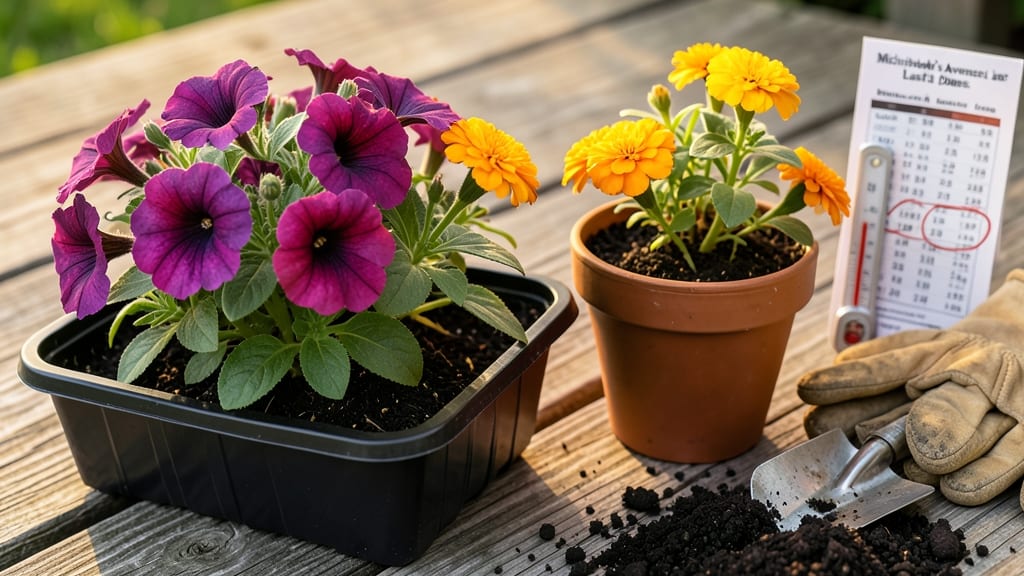
Michigan’s frost-free dates by hardiness Zone: when to plant flowers safely
Michigan’s last frost dates vary dramatically across its USDA Hardiness Zones 4-6, making timing critical for successful flower planting.
In Zone 4 (northern regions like Traverse City), the average last frost arrives around May 15, while Zone 6 (southern areas like Detroit) typically sees frost-free conditions by April 20. These variations mean your annuals and tender perennials could face frost damage if planted too early.
For cold-hardy flowers like pansies or snapdragons, you can start seeds indoors as early as March 1 in all zones, but transplanting outdoors should wait until soil temperatures reach 50°F consistently. Heat-loving varieties, such as marigolds or zinnias, thrive when planted after the last frost but can handle Zone 6’s warmer microclimates slightly earlier.
Historical data shows Michigan’s frost dates can shift by 1-2 weeks yearly due to climate fluctuations. Always monitor local weather forecasts and use frost-free date calculators from trusted sources like the Michigan State University Extension.
For extra safety, consider row covers or cold frames to extend your planting window by 2-3 weeks in cooler zones.
Here’s a quick reference for Michigan’s frost-free zones and ideal planting windows for your favorite flowers:
| Zone & Region | Avg. Last Frost | Safe Planting Window | Cold-Hardy Flowers | Heat-Loving Flowers |
|---|---|---|---|---|
| Zone 4 (Upper Peninsula, Traverse City) | May 15 | May 20–June 1 | Pansies, Sweet Alyssum, Violas | Marigolds, Zinnias (late May) |
| Zone 5 (Grand Rapids, Lansing) | April 25 | April 30–May 10 | Snapdragons, Calendula, Sweet Peas | Petunias, Geraniums, Sunflowers |
| Zone 6 (Detroit, Ann Arbor) | April 20 | April 25–May 5 | Lupines, Columbine, Lavender | Impatiens, Begonias, Dahlias |
| All Zones (Late Summer) | N/A | August 1–15 (for fall blooms) | Asters, Chrysanthemums, Goldenrod | Cosmos, Black-Eyed Susans |
If you’re in Zone 4, prioritize hardy annuals like snapdragons or calendula for early spring color, as they tolerate light frosts.
In Zone 6, you can push the envelope with tender perennials like dahlias or canas, but wait until May 1 to avoid frost damage. Succession planting is key—sow fast-growing annuals like bachelor’s buttons every 2 weeks to ensure continuous blooms.
For perennials, divide and transplant in early spring (Zone 6) or late spring (Zone 4) to give roots time to establish before summer heat. Bulbs like tulips or daffodils should be planted in fall (September–October) for spring blooms, but summer-blooming bulbs (e.g., dahlias) go in after the last frost.
Don’t forget about microclimates—southern exposures or urban areas (like Detroit’s) can be 2-3°F warmer than rural zones, allowing earlier planting. Use frost cloth or greenhouse fleece to protect seedlings if late frosts threaten. Always check the 10-day forecast before planting tender varieties like petunias or geraniums.
Pro tip: Plant cold-hardy flowers like pansies in late summer (August) for vibrant fall color—they’ll survive light frosts and bloom until December in sheltered spots. Pair them with ornamental kale or grasses for a low-maintenance winter garden.
🌱
Best flowers to plant early vs. late in Michigan: a seasonal planting guide
Michigan’s short growing season demands smart flower choices—planting the wrong variety at the wrong time means missed blooms or frost-killed seedlings. The key? Matching frost tolerance to your planting window. Early spring and late summer offer unique opportunities for color, but only with the right flowers.
For early spring planting (March–early April), focus on cold-hardy annuals and perennials that thrive in cooler temps. These tough varieties can handle light frosts and even snowmelt, giving you a head start on summer color. Late summer (August–September) is ideal for heat-tolerant annuals and fast-growing varieties that bloom before frost.
🌸 Early Spring Stars (March–April): Pansies, snapdragons, and sweet alyssum are my top picks—they handle 28°F temps and bloom in 4–6 weeks. Violas and calendulas are also great for early beds, offering vibrant color even in chilly conditions. These flowers are perfect for Zone 5–6 gardeners eager to beat the competition.
🌻 Late Summer Winners (August–September): Marigolds, zinnias, and cosmos thrive in Zone 6’s heat and bloom until frost. Sunflowers and black-eyed Susans are also late-season heroes, providing structure and color when other plants fade. These varieties need full sun and well-draining soil to avoid wilting in August’s heat.
🌱 Seasonal Planting Timeline for Michigan Flowers
- Early Spring (March–April): Plant pansies, snapdragons, sweet alyssum—these handle light frosts and bloom in 4–6 weeks.
- Late Spring (May): Ideal for petunias, geraniums, and marigolds—wait until soil hits 50°F and frost risk is gone.
- Summer (June–July): Focus on zinnias, cosmos, and sunflowers—these love full sun and heat.
- Late Summer (August–September): Succession plant marigolds, black-eyed Susans for fall color before frost.
Pro tip: Use succession planting to stretch your blooming season. For example, sow cosmos seeds every 2–3 weeks from May to July—this ensures continuous blooms until frost. Heat-loving varieties like portulaca and lantana are also great for extending your late-season garden.
Always check your local frost dates—even within Michigan, Zone 5 areas (like the UP) may have 2–3 weeks later last frosts than Zone 6 (southern Michigan). Adjust your planting schedule accordingly to avoid frost damage and maximize blooms.