
Trees
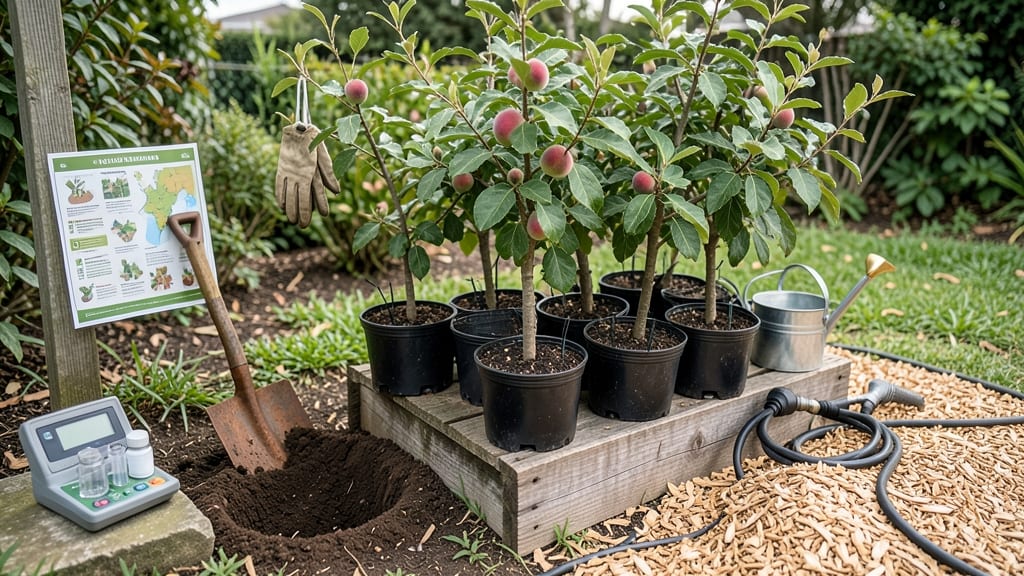
Planting fruit trees 🍎 in South Africa at the wrong time means risking frost damage or stunted growth—especially when summer heat arrives too soon. The key to success lies in understanding your heat zone, whether you're in frost-prone Johannesburg or coastal Durban where frost is rare.
Most fruit trees thrive when planted during South Africa's cooler months, from May to September, when temperatures are mild and rainfall supports root establishment. But citrus and subtropical varieties like mangoes can go in year-round in frost-free zones, giving you flexibility depending on where you live.
I’ll break down the exact planting windows for each heat zone, including soil prep tips to ensure your trees take root without stress. Whether you're growing peaches in the Highveld or avocados along the coast, timing makes all the difference.
Ready to avoid common mistakes and set your orchard up for a bountiful harvest? Let’s get started with the perfect planting schedule for your region.
South Africa’s fruit tree planting calendar by heat zone (no-frost guaranteed)
South Africa’s diverse climate—from frost-prone highlands to subtropical coasts—means planting fruit trees at the wrong time can spell disaster. In heat zones 1–4 (e.g., Johannesburg, Bloemfontein), a late frost in August or September can kill young citrus or stone fruit, while coastal zones 6–7 (e.g., Durban, Knysna) allow year-round planting.
The key? Align your schedule with temperature thresholds and regional frost dates to give roots time to establish before stress hits.
For example, peach and plum trees in heat zone 3 must be planted by late July to avoid frost damage, while avocado and mango in zone 7 thrive when planted in winter (June–August) to avoid summer heat stress.
Below, I’ve broken down the optimal planting windows for each zone, including frost-free alternatives for sensitive varieties.
Pro Tip: Always check your local last frost date (e.g., Cape Town’s average is June 15, while Johannesburg’s is August 15). Planting 4–6 weeks before ensures roots have time to anchor before cold snaps.
| Heat Zone | Regions | Best Planting Months | Frost Risk | Top Trees to Plant | Avoid Planting |
|---|---|---|---|---|---|
| 1–2 | Johannesburg, Bloemfontein, Pietermaritzburg | May–June | High (frost until Aug) | Peach, Plum, Nectarine, Apricot | Citrus (unless microclimate) |
| 3–4 | Cape Town, Stellenbosch, Worcester | June–July | Moderate (False Cape winters) | Avocado, Pear, Fig, Olive | Stone fruits (late frost risk) |
| 5–6 | Durban, Richards Bay, East London | Year-round (best: June–August) | None (frost-free) | Mango, Lychee, Guava, Citrus | None (but avoid summer heat stress) |
| 7 | Knysna, Plettenberg Bay, Port Elizabeth | June–September | None (coastal microclimates) | Macadamia, Citrus, Avocado, Banana | None (but monitor heat spikes) |
In heat zones 1–4, prioritize bare-root trees in winter (May–July) to capitalize on cooler soils and reduced evaporation. For stone fruits like peaches, delay planting until after July 15 in Johannesburg to dodge late frosts.
Meanwhile, coastal zones 6–7 offer flexibility—plant citrus or mangoes in winter (June–August) to avoid summer heat stress on young roots.
For frost-sensitive trees (e.g., citrus, avocado), use microclimates like north-facing slopes or windbreaks to create 5–10°F warmer zones. In Cape Town (zone 4), I’ve seen lemon trees thrive when planted near stone walls that absorb daytime heat and radiate it overnight.
If you’re in a transition zone (e.g., Worcester or Hermanus), err on the side of early planting (May–June) and protect young trees with frost cloth until September 1. For subtropical trees like lychee, plant in winter (June–July) to establish roots before the humid summer arrives.
Remember: Soil temperature matters just as much as air temperature. In Johannesburg (zone 2), wait until soil reaches 55°F (13°C) before planting—use a soil thermometer to check. In Durban (zone 6), plant when soil
Best fruit trees for each South African climate zone (frost risk vs. heat tolerance)
South Africa’s diverse climate means some regions thrive with frost-sensitive mangoes and citrus, while others need hardy peaches and apples that survive winter chills. Your choice depends on your heat zone (1–7) and whether you’re in a coastal or inland area.
Let’s match you with the perfect fruit trees for your microclimate.
In heat zones 1–3 (e.g., Limpopo, Mpumalanga), where frosts are common, opt for stone fruits like peaches and plums. These trees bloom early, so they avoid late spring frosts.
Meanwhile, cooler highland zones (4–5), like parts of the Western Cape, can handle apples and pears with proper winter protection.
Zones 6–7 (e.g., Durban, Pietermaritzburg) are frost-free year-round, making them ideal for subtropical fruits like lychees, longans, and guavas. These thrive in humidity and heat but struggle in colder regions. For coastal gardens, avocados and citrus are top picks—they love warm winters but need shelter from strong coastal winds.
| Heat Zone | Best Fruit Trees | Frost Risk | Spacing (ft) |
|---|---|---|---|
| 1–3 (Limpopo, Mpumalanga) | Peaches, Plums, Apricots, Nectarines | High (protect young trees) | 15–20 ft |
| 4–5 (Western Cape Highlands) | Apples, Pears, Quinces, Cherries | Moderate (use frost cloths) | 20–25 ft |
| 6–7 (Durban, KwaZulu-Natal) | Mangoes, Lychees, Longans, Guavas | None (frost-free) | 10–15 ft |
| Coastal (Cape Town, Port Elizabeth) | Avocados, Citrus, Macadamias, Pomegranates | Low (wind protection needed) | 12–20 ft |
For small gardens, consider dwarf varieties like dwarf citrus or columnar apples. These stay under 10 feet tall but still produce abundant fruit. Just ensure they get full sun—even dwarf trees need 6+ hours daily.
If you’re in a windy coastal area, plant windbreaks like macadamia or eucalyptus to shield delicate trees.
Pro tip: Citrus trees in inland zones (e.g., Johannesburg) need winter protection—wrap the trunk in burlap or use a frost cloth to shield roots. In contrast, mangoes in Durban love humidity but may suffer from anthracnose fungus if not spaced properly.
Always follow spacing guidelines to improve airflow and reduce disease.
Start with 1–2 trees to test your microclimate, then expand based on success. With the right variety, your South African orchard can yield fruit year-round—no frost worries! 🌱