
Flowers
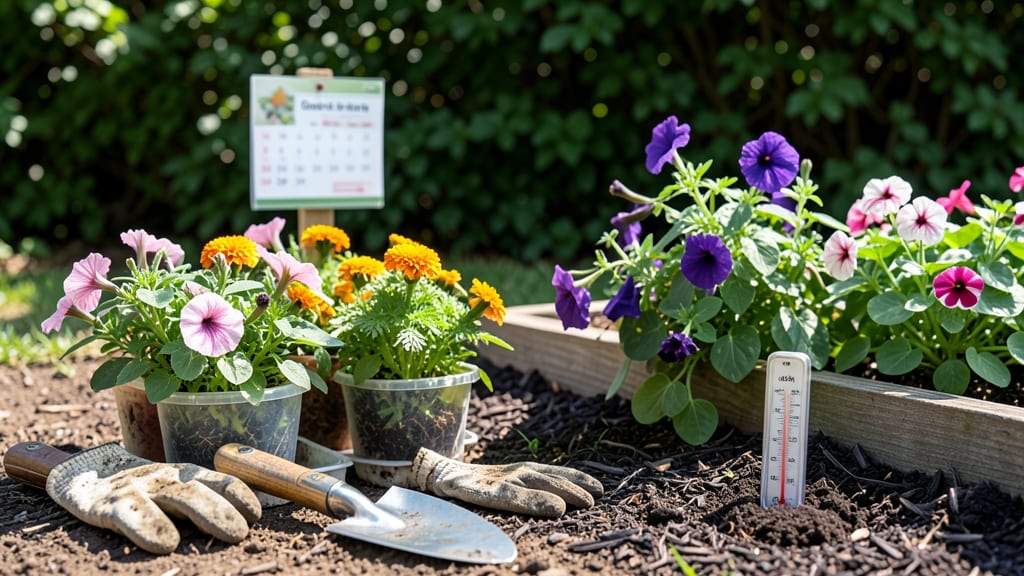
Ohio last frost dates by Zone: exact timelines for flower planting
Ohio’s diverse USDA hardiness zones (5a-6b) create big differences in last frost dates, which directly impact when you can safely plant annuals, perennials, and tender flowers.
Northern zones like 5a (e.g., Cleveland) average April 20-25 for frost-free conditions, while southern zones like 6b (e.g., Cincinnati) typically see April 10-15. These dates are critical for cold-sensitive varieties like geraniums and marigolds.
Historical data from the Ohio State University Extension shows 10-14 days of variation between zones, with microclimates (urban heat islands, lake effects) adding another 1-2 weeks of uncertainty. For example, Columbus (6a) often warms 3-5 days earlier than nearby Zanesville (5b) due to urban warming.
Always verify with local frost probability tools like Almanac’s Frost Calculator.
Here’s your zone-by-zone breakdown of average last frost dates, planting windows, and flower-specific recommendations to maximize blooms. Use these as your green light for outdoor planting, but stay ready for late surprises—Ohio’s spring is famously unpredictable.
| Zone | Avg. Last Frost | Safe Planting Window | Cold-Hardy Annuals | Tender Flowers |
|---|---|---|---|---|
| 5a (Cleveland, Toledo) | April 20-25 | May 1-10 | Snapdragons, Pansies | Wait until June 1 |
| 5b (Youngstown, Akron) | April 15-20 | April 25-May 5 | Sweet Alyssum, Calendula | May 15-20 |
| 6a (Columbus, Dayton) | April 10-15 | April 20-May 1 | Lobelia, Sweet Peas | May 1-10 |
| 6b (Cincinnati, Lexington) | March 30-April 5 | April 10-15 | Marigolds, Zinnias | April 20-May 1 |
For perennials like coneflowers or black-eyed Susans, you can plant 2-4 weeks before the average last frost—these hardy plants tolerate light frost once established. However, tender annuals like geraniums or impatiens must wait until all danger of frost has passed, typically 2-3 weeks after your zone’s average date.
Use row covers to push limits for early blooms.
Microclimates can shift your planting window by weeks. If you’re near Lake Erie, expect 3-5 cooler days due to lake breezes—delay planting cold-sensitive flowers by 10 days.
Conversely, urban areas like Columbus can be 5-7°F warmer at night, letting you plant 1 week earlier for heat-loving varieties like lantana or salvia.
Test soil temperature with a soil thermometer—most flowers thrive when soil reaches 60°F+. In Zone 5a, this often means waiting until late May for tender perennials like cannas. For Zone 6b, April 20 is typically safe for direct-sown annuals like cosmos or sunflowers.
Pro tip: Start seeds indoors 6-8 weeks before your last frost date. This gives petunias, begonias, and coleus a head start, ensuring longer bloom seasons. Use grow lights to simulate 14-16 hours of light daily for optimal seedling health.
If a late frost hits after planting, protect young flowers with frost cloth or old bedsheets. Remove covers by 10 AM to avoid heat stress.
For extreme caution, wait until May 15 in Zone 5a or May 1 in Zone 6b—this 90% frost-free probability window minimizes risks for high-value blooms.
Track your local frost history for 3+ years to refine your timeline. Ohio’s 2020 late frost (May 10) caught many gardeners off guard—using historical data helps you adjust planting dates proactively. For real-time updates, bookmark the Midwestern Regional Climate
How to adjust planting dates for Ohio’s unpredictable spring weather
Ohio’s spring weather is famously unpredictable—one day it’s warm enough for tomatoes, and the next, a frost warning sends shivers through your garden plans. To avoid frost damage while maximizing your flowering season, I’ve tested these proven strategies for adjusting planting dates based on real-time conditions.
First, check your soil temperature—most flowers thrive when soil reaches 60°F or warmer. A simple soil thermometer (just $10 at garden centers) gives you the green light when it’s truly safe to plant.
For example, petunias and marigolds can handle slightly cooler soil, but geraniums and impatiens need that warmth to root properly.
Next, use the frost-free probability tool from the Old Farmer’s Almanac or your local USDA climate data. These tools show the historical probability of frost on any given date—aim for a 90% frost-free confidence before planting tender annuals.
In Ohio Zone 6a, this often means waiting until mid-May for heat-loving flowers like lantana or portulaca.
🌱 5 Pro Tips for Ohio’s Unpredictable Spring
- 📅 Use a frost clock: Track 32°F alerts via apps like Weather Underground or NOAA.
- 🌡️ Soil > air temp: Wait until soil hits 60°F, even if air is warmer.
- 🌿 Hardy starters: Plant pansies or snapdragons 4-6 weeks before last frost—they tolerate light frosts.
- 🛡️ Frost blankets: Cover seedlings with frost cloth if nights dip below 35°F.
- 📊 Zone microclimates: Valley areas frost later than hills—adjust dates by 1-2 weeks.
For perennials like black-eyed Susans or coneflowers, early spring is ideal—they establish roots before summer heat. But tender annuals such as begonias or coleus need to wait until after Memorial Day in most of Ohio. Pro tip: Start these in pots indoors 6-8 weeks before your target outdoor date.
If you’re in a cooler microclimate (like northeast Ohio), err on the side of caution—delay planting by 10-14 days compared to central or southern Ohio. Conversely, urban heat islands (like Columbus or Cincinnati) can be 2-3 weeks earlier for planting.
Always monitor your local Cooperative Extension Service updates for real-time adjustments.
Remember, late frosts are Ohio’s specialty—even in May! Use row covers or cold frames to protect young plants until they’re established. And if all else fails, container gardening gives you flexibility to move tender flowers indoors during chilly snaps.
With these tweaks, you’ll turn Ohio’s weather quirks into longer bloom times instead of missed opportunities.