
Plants
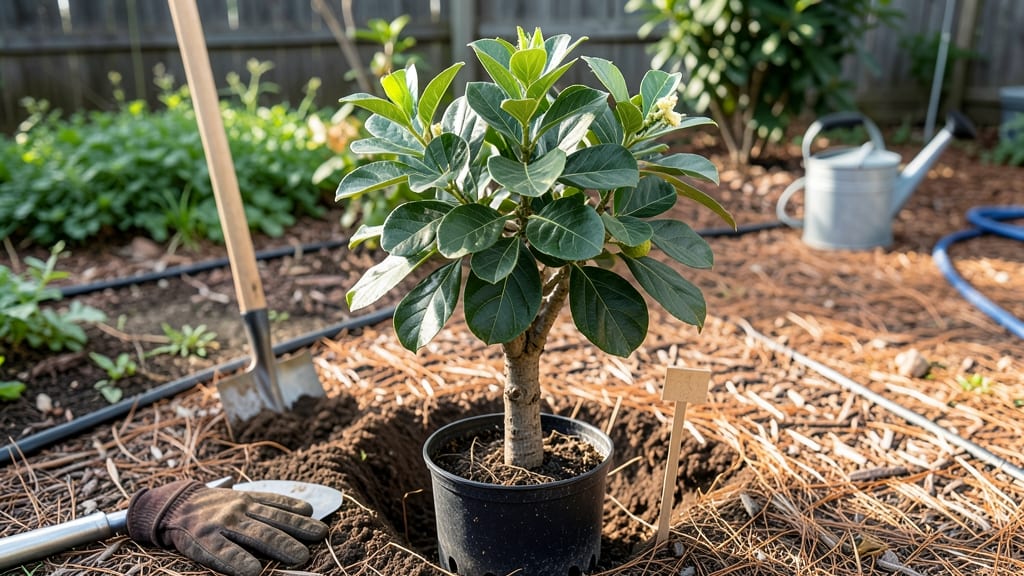
Planting an avocado tree in Florida might seem simple—after all, there’s no frost to worry about! But timing still matters more than you’d think. The right window can mean the difference between a thriving 🥑 and a struggling sapling, especially when Florida’s heat and humidity come into play.
While you can plant year-round, late winter to early spring—February through April—gives your tree the best start. This is when soil temperatures are ideal, and the worst summer storms are still months away.
But here’s the catch: coastal areas like Miami have different microclimates than Orlando or Tampa, so we’ll break it down by zone to avoid common pitfalls.
You’ll also discover how to prep your soil, choose the right variety for your region, and protect your young tree from Florida’s intense summer heat. Whether you’re starting from a seed or buying a nursery-grown sapling, these steps will set you up for success from day one.
Let’s dive into the exact months to plant, plus the pro tips that make all the difference in Florida’s unique growing conditions. Your future harvest depends on getting it right!
Best Florida planting months by microclimate: avoiding frost zones 9b-11
Florida’s frost-free climate makes it one of the best U.S. states for growing avocado trees, but not all regions thrive equally. The state spans USDA Zones 9b through 11, each with distinct soil temperature thresholds and seasonal patterns.
Planting at the wrong time—like during summer heatwaves or hurricane season—can stunt growth or even kill young seedlings. Let’s break down the ideal planting windows for each microclimate, including Miami (Zone 11), Orlando (Zone 9b), and Tampa (Zone 10a).
For nursery-bought avocado trees, timing matters less than for home-grown seedlings, which are more delicate. Mature trees handle Florida’s heat better, but even they benefit from strategic planting.
The soil temperature should stay above 65°F (18°C) for root establishment, while air temperatures above 90°F (32°C) can stress young plants. Coastal areas like Miami stay warmer year-round, while inland cities like Orlando experience cooler winters and hotter summers.
Here’s how to align your planting schedule with Florida’s microclimates to maximize success:
| Microclimate | USDA Zone | Best Planting Months | Soil Temp Threshold | Key Considerations |
|---|---|---|---|---|
| Miami (Coastal) | 11 | Year-round (peak: Jan-Mar) | 68°F+ (20°C+) | Hurricane risk in summer; sandy soil drains fast. |
| Tampa (Gulf Coast) | 10a | Feb-Apr (avoid June-Oct) | 65°F+ (18°C+) | Humidity stress in summer; wind exposure near coast. |
| Orlando (Inland) | 9b | Mar-Apr (avoid Nov-Jan) | 70°F+ (21°C+) | Cooler winters slow growth; clay soil needs amending. |
| Pensacola (Panhandle) | 8b (borderline) | Apr-May (only) | 75°F+ (24°C+) | Frost risk in winter; shorter growing season. |
In Zone 11 (Miami), you can plant avocado trees year-round thanks to consistent warmth, but January-March is ideal for nursery-bought trees. The soil stays warm enough to prevent root shock, and hurricane season (June-November) is the only real challenge.
If planting in summer, mulch heavily to retain moisture and stake young trees to prevent wind damage.
For Zone 10a (Tampa), February-April is the sweet spot. The soil temperature rises above 65°F (18°C) by late February, giving roots time to establish before summer humidity peaks. Avoid planting in June-October—the combination of heat and humidity can lead to root rot or fungal diseases.
If you must plant in summer, choose container-grown trees for easier moisture control.
Zone 9b (Orlando) has the most seasonal variability, with cooler winters and hotter summers. Plant in March-April to align with soil warming and avoid winter chills (even though frost is rare). Inland areas often have clay-heavy soil, so amend with compost or sand before planting. If you’re growing avocado seedlings indoors, harden them off for 2 weeks before transplanting outdoors.
One common mistake is planting avocado trees too early in Zone 9b or too late in Zone 11. For example, planting in December in Orlando can expose roots to unpredictable cold snaps, while planting in August in Miami risks hurricane damage before roots establish.
Always check the 10-day forecast for heatwaves or storms before planting.
Pro tip: If you’re planting avocado seeds (not nursery trees), wait until the soil is consistently above 70°F (21°C)—typically April-May in most of Florida. Seeds take 6-12 months to sprout, and cold soil can delay germination or
How to prepare your avocado tree for Florida’s summer heat and hurricane season
Florida’s summer heat and hurricane season can turn your avocado tree from a thriving asset into a struggling survivor if you don’t prepare properly. The key is acclimating seedlings gradually and choosing wind-resistant varieties like Hass or Reed, which handle storms better than delicate types.
Without proper prep, even hardy trees can suffer root damage or leaf scorch from sudden temperature swings or salt spray near coastlines.
Start by selecting the right avocado variety for your location. Hass avocados are the most popular but need stake support in windy areas, while Reed avocados tolerate salt spray better—ideal for coastal Florida.
If you’re growing from seed, harden off seedlings for 2 weeks before transplanting by moving them outdoors during the day and back inside at night. This mimics Florida’s humidity fluctuations and prevents shock.
- 🌡️ Soil Temp Check: Wait until soil is 65°F+ (use a thermometer). Planting in cooler soil delays root growth.
- 🪴 Mulch Layer: Apply 3-4 inches of mulch (wood chips or pine bark) to retain moisture and regulate root zone temps.
- 🌬️ Wind Protection: Use burlap windbreaks or plant near fences for young trees (3 years old).
- 💧 Deep Watering: Water 15 gallons per tree at planting, then weekly for the first 4 weeks to establish roots.
- 🌧️ Hurricane Prep: Stake trees 18 inches deep and tie trunks to stakes with flexible straps to prevent uprooting.
Once planted, mulching is non-negotiable in Florida’s heat. Use organic mulch like pine bark or wood chips to keep roots cool and conserve moisture. Replenish mulch every 6 months, especially after storms, as heavy rains can wash it away.
For coastal areas, rinse salt spray from leaves weekly during hurricane season to prevent leaf burn. A simple hose spray on both sides of the foliage works wonders.
After a storm, inspect your tree for broken branches or peeling bark, which are common signs of wind damage. Prune damaged areas with sterilized shears and apply wound dressing to large cuts to prevent disease.
If the tree is leaning, prop it up gently with stakes but avoid over-tightening, which can strangle the trunk as it grows. Florida’s humid climate also means fungal diseases like root rot are a risk—so avoid overwatering and ensure your tree’s spot has good drainage.
For long-term resilience, fertilize in early spring with a balanced citrus fertilizer (6-6-6 NPK ratio) to boost growth before hurricane season. Avoid heavy feeding in summer, as new growth is more vulnerable to storm damage. Instead, focus on deep watering every 5-7 days during heatwaves to keep the tree hydrated.
With these steps, your avocado tree will stand a much better chance of surviving Florida’s extremes and even thriving through them.
Remember, the first year is critical—your tree’s ability to handle Florida’s challenges starts with how well you prepare it now. Think of it like building a storm-proof foundation: a little extra effort upfront saves headaches (and lost trees) later. 🌳