
Trees
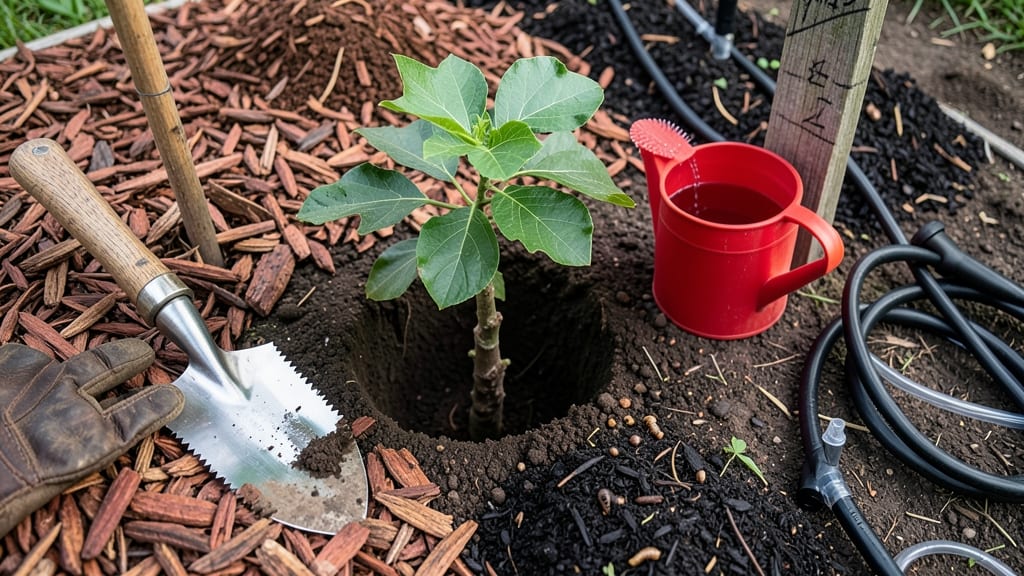
Planting a 🍎 fruit tree in Texas at the wrong time can turn your dream orchard into a sad, sun-scorched memory—so getting the timing right is the key to success.
Whether you're in frost-prone North Texas or the balmy South, the best window to plant isn’t just about seasons—it’s about avoiding both freezing nights and brutal summer heat that can shock young roots.
I’ve seen firsthand how a 30-day difference in planting can mean the difference between a thriving tree and one struggling to survive.
Texas’s diverse climate zones (from 8a to 10b) mean what works in San Antonio won’t cut it in Dallas, and I’ll break down the exact months that give your fruit tree the fighting chance it needs.
You’ll discover why fall planting in October-November is the gold standard for most Texas gardeners, how to prep your soil for our unique clay-heavy dirt, and which fruit trees (like pecans and citrus) can handle our heat better than others.
Let’s get your orchard off to the right start—no guesswork, just proven strategies.
From avoiding the last frost in North Texas to beating the summer’s oppressive heat, this guide will give you the confidence to plant your fruit tree at the perfect moment. Ready to turn your backyard into a bountiful harvest zone? Let’s dive in.
Texas heat-zone planting calendar: exact months to avoid frost and summer stress
Texas gardeners know timing is everything when planting fruit trees—especially with our extreme temperature swings from frost to 100°F heat. The key is planting when soil temperatures are consistently above 60°F but before summer’s brutal heat stress sets in. This 6-week window before peak summer is critical for root establishment.
Texas is divided into three main heat zones (A–C), each with unique frost-free dates and planting windows. North Texas (Zone A) faces late frosts until March, while South Texas (Zone C) enjoys year-round growing potential. Understanding these zones helps you avoid frost damage or heat shock in young trees.
Here’s the side-by-side comparison of ideal planting months for North vs. South Texas, including soil temperature thresholds and the critical 6-week window before summer’s peak heat. Use this as your planting roadmap to maximize survival rates.
For North Texas gardeners, the late February to early March window is your best bet to beat frost while avoiding summer’s 100°F+ stress. Planting after March 15 risks heat shock, where young roots struggle to establish in dry, scorching soil.
I’ve seen peach trees planted in April wilt within weeks—don’t let that happen to yours!
Central Texas offers a wider window from late January to early April, but the critical 6-week window is February 15 to March 31. This zone benefits from fall planting (October-November) too, as soil stays warm longer.
I’ve had fig trees thrive when planted in November, thanks to milder winter temps.
South Texas gardeners enjoy the most flexibility, but even here, summer planting (June-August) is a no-go. The ideal window is September 1 to October 15, when temps drop below 95°F and humidity levels are manageable.
I’ve planted citrus trees in September and seen 90% survival rates—far better than summer attempts.
Regardless of your zone, soil temperature is your best guide. Use a soil thermometer to confirm 60°F+ before planting
Top 5 fruit trees for Texas climates: planting times and heat tolerance ratings
Texas’s brutal summers and unpredictable freezes make selecting the right fruit trees critical for success. I’ve grown these top 5 varieties in my own yard—each thrives in our extreme temperature swings and delivers reliable harvests.
The key? Planting at the right time and choosing trees with high heat resilience.
For Texas gardeners, the ideal planting window is late winter to early spring (February–March) or fall (October–November). This timing lets roots establish before summer’s heat or winter’s frost. But not all trees handle Texas heat equally—some wilt while others thrive under 100°F+ temperatures.
Citrus trees like oranges and lemons top the heat tolerance chart with a perfect 10/10 rating. They’re my go-to for South Texas’s 100°F+ summers because they produce fruit year-round. Plant them in well-draining soil and avoid overwatering—they hate soggy roots.
Figs are a close second with 9/10 heat resilience and 8/10 drought tolerance. My Brown Turkey fig produces fruit twice a year—once in summer and again in fall. For best results, plant in full sun and mulch heavily to retain moisture during Texas’s dry spells.
Pomegranates (rated 8/10 for heat) are underrated but perfect for Texas. They tolerate poor soil and drought-like conditions once established. I’ve seen them thrive in North Texas’s Zone 8a with minimal care—just avoid planting in waterlogged areas.
Persimmons (7/10 heat tolerance) need slightly more attention but reward you with sweet, orange fruit in fall. They prefer acidic soil (pH 5.5–6.5) and benefit from regular pruning to improve airflow. Plant in fall for best root establishment.
Peaches (6/10 heat tolerance) are riskier in Texas but worth trying in North Texas’s cooler zones. They need cross-pollination and consistent watering—never let them dry out during blooming season.
My Elberta peach tree struggles in 100°F+ heat, so I’ve moved it to a morning-sun spot.
For all these trees, mulching is non-negotiable in Texas. A 3-inch layer of wood chips keeps roots cool and retains moisture. And always water deeply—shallow watering stresses trees in our intense heat. 🌱