
Flowers
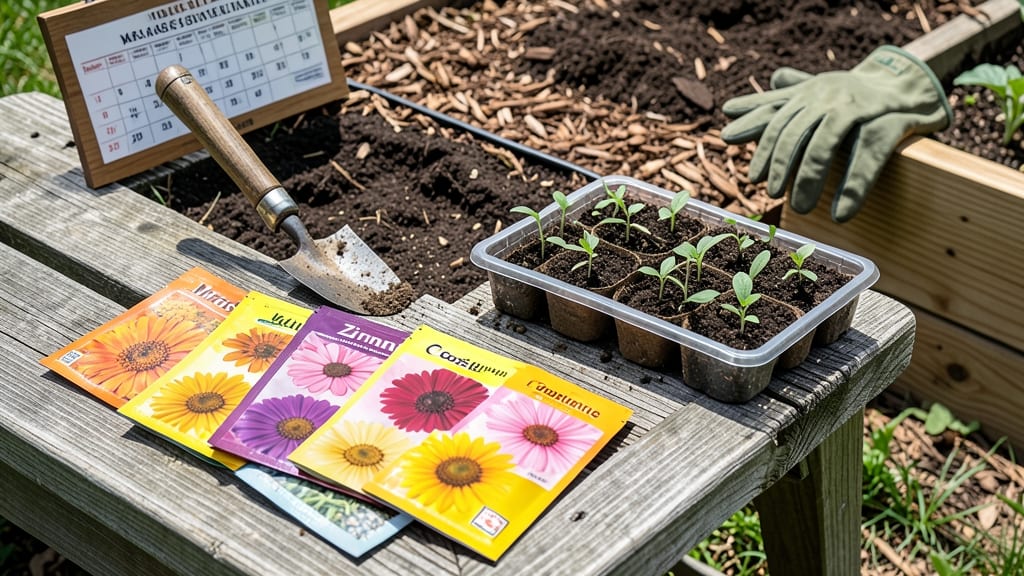
Planting flower seeds 🌸 at the wrong time in Kansas can mean the difference between a garden bursting with color and one that never quite takes off.
Whether you're in the cooler 5b zones of northern Kansas or the warmer 7a regions in the south, getting those seeds in the ground at the right moment is key to success.
The last frost date—typically around April 15—marks the unofficial start of planting season, but not all flowers thrive with the same timing. Cool-season bloomers like pansies can handle early spring, while heat-loving zinnias need to wait until the soil warms to 60°F or higher.
Getting this wrong means either frost damage or wilting before blooms even appear.
In this guide, I’ll break down the best months to plant flower seeds across Kansas’ microclimates, so you can enjoy vibrant blooms from spring through fall.
From staggered planting strategies to region-specific tips, you’ll learn exactly when to start seeds indoors, when to direct-sow outdoors, and how to extend your garden’s beauty season.
Ready to transform your yard into a nonstop floral display? Let’s dive into the perfect planting schedule for your Kansas garden—no more guesswork, just guaranteed blooms.
Kansas flower seed planting calendar by microclimate Zone
Kansas spans USDA Hardiness Zones 5b-7a, creating distinct planting windows from north to south. In Zone 5b (northwest), gardeners face earlier frosts (last frost: April 20), while Zone 7a (southeast) enjoys later frost-free dates (last frost: April 5).
These differences mean your neighbor's perfect timing might be risky for you—always check local frost date averages.
For cool-season flowers like pansies or snapdragons, start seeds indoors 6-8 weeks before your last frost date. In Zone 5b, that’s mid-February, while Zone 7a gardeners can wait until early March.
Direct-sow hardy annuals like calendula as soon as soil is workable (40°F), typically late March to early April.
Warm-season flowers (marigolds, zinnias) need soil temperatures above 60°F to germinate. In Zone 5b, wait until mid-May after all frost risk has passed. Southern Kansas (Zone 7a) can start these 2-3 weeks earlier (late April).
Use a soil thermometer to confirm readiness—cold soil delays germination.
🌱
| Zone | Last Frost | Cool-Season Start (Indoors) | Direct Sow Cool-Season | Warm-Season Start (Indoors) | Direct Sow Warm-Season |
|---|---|---|---|---|---|
| 5b (Northwest) | April 20 | Mid-February | Late March | Late March | Mid-May |
| 6a (Central) | April 10 | Early March | Early April | Early April | Late April |
| 7a (Southeast) | April 5 | Early March | Late March | Mid-March | Late April |
Perennials like coneflowers or black-eyed Susans can be sown directly in fall (September-October) for earlier spring blooms. The cool soil temperatures help seeds stratify naturally, mimicking winter conditions. If planting in spring, sow as soon as soil is workable (40°F) to avoid summer bolting.
For extended bloom seasons, stagger plantings every 2-3 weeks from April through July. This ensures continuous color as early flowers fade. For example, plant cosmos in early May, then again in mid-June for fall blooms before frost.
Always check seed packets for specific instructions—some varieties (sweet peas) need pre-chilling, while others (sunflowers) thrive with direct sowing. In Zone 5b, protect early plantings with frost cloth if nights dip below 28°F.
Southern Kansas gardeners can push warm-season flowers into early August for late-summer blooms.
Local Kansas State University Extension offices provide hyper-local frost data. Use their frost-free date maps to fine-tune your schedule. For container gardening, warm-season seeds can germinate 2-3 weeks earlier since pots warm faster in spring sunshine.
🌿 Remember: Soil temperature matters more than air temperature. Use a soil thermometer to confirm 60°F+ for warm-season seeds. In Zone 6a, this often means waiting until mid-May—don’t rush! Patience prevents failed germination.
For cutting gardens, prioritize early May plantings of snapdragons and dianthus to harvest blooms by June. In Zone 7a, you can even sow marigolds in July for fall color before the first frost (mid-October).
🌸 Adjust for micro
Best flowers to plant by season in Kansas for maximum blooms
Kansas' diverse climate—from cool spring mornings to scorching summer afternoons—means selecting the right flowers for each season is key. Cool-season blooms like pansies and snapdragons thrive in early spring, while heat-loving varieties such as zinnias and sunflowers take center stage in summer.
Perennials like coneflowers and black-eyed Susans anchor your garden year after year with minimal fuss.
Timing matters most: plant cool-season flowers in March-April for spring color, and warm-season varieties after the last frost date (typically mid-April in most regions). Perennials benefit from early fall planting to establish roots before winter. Let’s dive into the best seasonal picks for your Kansas garden.
🌱 Seasonal Flower Planting Guide for Kansas
-
🌸 Spring (March-April) – Pansies, Snapdragons, Sweet Alyssum, Calendula
Plant 4-6 weeks before last frost for early blooms. Tolerates light frost.
-
☀️ Summer (May-June) – Zinnias, Sunflowers, Marigolds, Cosmos
Wait until soil temps reach 60°F and all frost risk passes.
-
🍂 Fall (August-September) – Black-Eyed Susans, Coneflowers, Goldenrod, Asters
Plant 6-8 weeks before first frost for fall/winter interest.
-
🌿 Year-Round Perennials – Daylilies, Lavender, Russian Sage, Catmint
Plant spring or early fall; these drought-tolerant stars thrive with minimal care.
For northern Kansas (USDA Zone 5a-5b), prioritize hardy annuals like snapdragons and pansies for early spring color. In southern Kansas (Zone 6a-7a), extend your season with late-summer marigolds or cosmos, which bloom until frost. Perennials like coneflowers are low-maintenance and return yearly with vibrant blooms.
Pro tip: Stagger plantings every 2-3 weeks for continuous blooms. For example, sow zinnias in May, June, and July to enjoy flowers through October. Mulch around perennials in late summer to protect roots from temperature swings and retain moisture during Kansas’ dry spells.
Don’t overlook container gardening for small spaces or patios. Petunias, geraniums, and bachelor’s buttons thrive in pots and can be moved to sunniest spots as the season progresses. Just ensure containers have drainage holes to prevent root rot in Kansas’ hot, humid summers.
With the right seasonal mix, your Kansas garden can burst with color from early spring through late fall. Start with these climate-proven favorites, and soon you’ll be the envy of the neighborhood with nonstop blooms! 🌼