
Plants
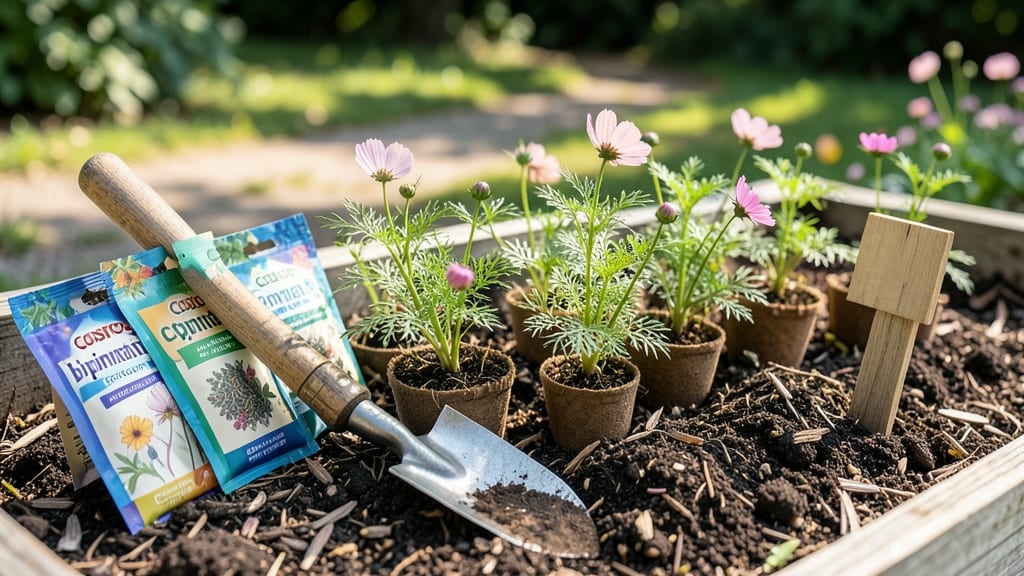
Planting cosmos seeds at the wrong time in Zone 7 can mean missing out on those stunning summer blooms you love so much. These cheerful flowers thrive when sown after the last frost, but knowing the exact window makes all the difference for bold, healthy growth.
With an average last frost date around mid-April in Zone 7, you’ve got a 6-week window to get seeds in the ground for peak performance. Whether you’re direct sowing or starting indoors, timing affects everything from germination to those show-stopping 🌸 displays.
I’ll break down the science behind soil temperatures, regional variations, and how to adjust for your specific climate. By the end, you’ll know exactly when to plant for a garden bursting with color from June through October.
Ready to transform your space? Let’s dive into the perfect planting schedule that guarantees cosmos success in your Zone 7 garden.
Exact weeks before last frost to plant cosmos seeds in Zone 7
In Zone 7, cosmos seeds thrive when planted at the right time—typically 2-4 weeks before your last frost date. Since Zone 7’s average last frost falls around April 15, aim to sow seeds outdoors between mid-March and early April for the best results.
This timing ensures seedlings emerge when soil temperatures hit 60°F (15°C), their ideal germination range.
Cosmos are heat-loving annuals that tolerate poor soil and drought once established, but they despise cold, wet soil. Planting too early can stunt growth or invite fungal diseases. In contrast, waiting until after the last frost guarantees strong, vigorous plants that burst into bloom by early summer.
For gardeners eager to start earlier, you can begin indoor seed starts 6-8 weeks before your last frost (around February 15 in Zone 7). However, cosmos germinate quickly and don’t need transplanting, so most gardeners skip this step and sow directly outdoors.
Zone 7’s microclimates can shift planting windows slightly. In cooler inland areas like Raleigh, plant closer to April 1, while warmer coastal zones (e.g., Savannah) may start as early as February 28. Check your local average last frost date—even a 2-week difference affects bloom timing significantly.
For direct sowing outdoors, scatter seeds thinly (they self-sow prolifically) and cover lightly with ¼-inch soil. Cosmos seeds germinate in 7-14 days under ideal conditions, so you’ll see sprouts quickly. Thin seedlings to 12-18 inches apart to prevent overcrowding, which reduces air circulation and invites powdery mildew.
If you’re unsure about your last frost date, use a soil thermometer to confirm temperatures are consistently above 60°F (15°C) before planting. Cold soil delays germination and weakens seedlings.
In my Atlanta garden, I wait until late March to sow cosmos—this ensures robust growth and months-long blooms from June through October.
Pro tip: Mark your calendar for July 1 in Zone 7—this is the perfect time to begin succession planting for a second wave of cosmos. Staggering plantings every 3 weeks guarantees continuous color until the first frost.
Just be sure to choose dwarf varieties like ‘Sensation Mix’ for later plantings to avoid flopping in summer heat.
Remember, cosmos are self-seeding annuals in Zone 7, meaning they’ll often reseed themselves year after year. However, if you want fresh, vigorous plants, replanting seeds annually ensures stronger stems and more abundant blooms.
This also lets you experiment with different varieties, like the bright pink ‘Bright Lights’ or the deep red ‘Ruby Red’.
Once your cosmos are established, they’re drought-tolerant and require minimal care. Focus on deadheading spent blooms to encourage more flowers and watch as your garden transforms into a vibrant, low-maintenance paradise.
Exact weeks before last frost to plant cosmos seeds in Zone 7
Cosmos seeds thrive in Zone 7's warm embrace, but timing is critical for robust growth. The last frost date in most Zone 7 areas (like Atlanta, Richmond, or Raleigh) typically falls around mid-April.
For direct sowing, aim to plant cosmos seeds 2-4 weeks after this date when soil temperatures consistently reach 60°F (15°C)—this ensures quick germination and avoids leggy seedlings.
If you prefer indoor starts, begin sowing seeds 6-8 weeks before your last frost date. This gives seedlings enough time to develop before transplanting outdoors. Cosmos are heat-loving annuals, so they tolerate Zone 7's summer heat beautifully once established.
🌱
| Planting Method | Best Timeframe | Soil Temp Requirement | Key Notes |
|---|---|---|---|
| Direct Sowing | 2-4 weeks after last frost | 60°F (15°C) | Fast germination; no transplant shock |
| Indoor Starts | 6-8 weeks before last frost | 65°F (18°C) for germination | Hardens off before transplanting |
| Fall Planting | Late summer (August-September) | 70°F (21°C) minimum | Extended blooms; tolerates cooler fall temps |
For direct sowing, scatter seeds thinly (about ¼ inch deep) in well-draining soil. Cosmos self-thin naturally, so avoid overcrowding—space mature plants 12-18 inches apart for optimal airflow and bloom production. In Zone 7, you can even sow a second crop in late summer (August-September) for fall color.
Monitor soil moisture closely after planting—consistent moisture (not soggy) is key for germination. Once seedlings emerge, reduce watering slightly to prevent fungal issues. Cosmos are drought-tolerant once established, making them perfect for low-maintenance gardens.
🌿
Pro tip: Use a soil thermometer to confirm soil temps before planting. If nights are still chilly (below 50°F/10°C), consider a light row cover to protect tender seedlings. Cosmos grown from seeds in Zone 7 will reward you with months of vibrant blooms from early summer through frost.