
Flowers
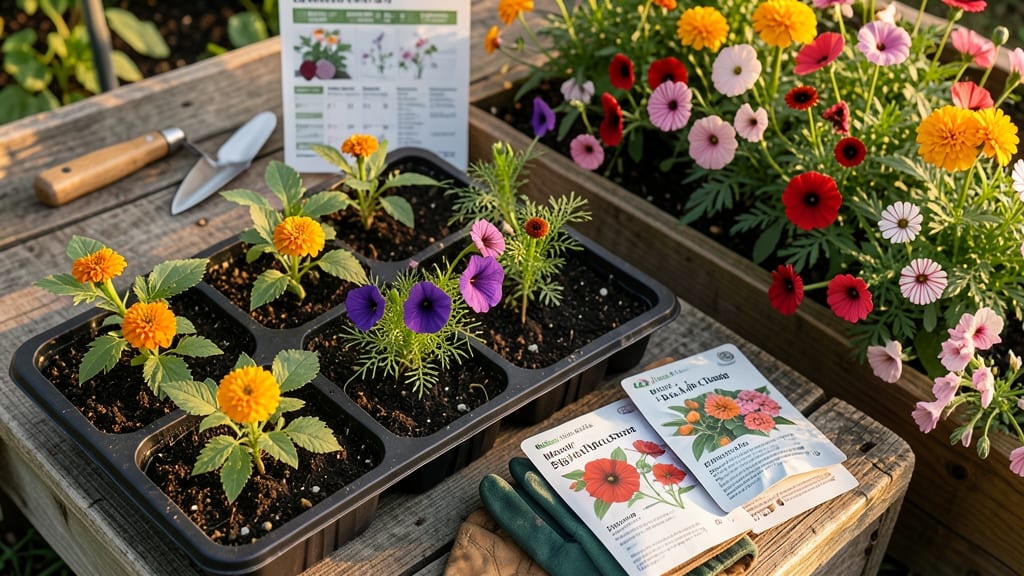
When to plant flower seeds in Indiana means the difference between a garden bursting with color and a sad, frost-nipped disappointment. Timing just right in Indiana ensures your hard work thrives—plant too early, and a late frost will wipe out your progress; too late, and you’ll miss the full bloom season entirely. The key? Understanding Indiana’s USDA Zone 6a frost dates—where last frosts typically hit around April 15 and first frosts arrive by October 15.
Most Indiana gardeners know the basics: spring is for annuals and perennials, while fall offers a second chance for hardy varieties. But the devil’s in the details—like knowing when soil warms enough for tender seeds or how to stretch your planting window with row covers.
I’ve tested these strategies myself, and the results speak for themselves: vibrant blooms from June through October, even in unpredictable years.
In this guide, I’ll break down the exact month-by-month planting schedule for Indiana’s most reliable flowers, from coneflowers to marigolds. You’ll learn how to adjust for late frosts, when to start seeds indoors, and which varieties thrive in Indiana’s heat zones.
No more guessing—just a foolproof plan to turn your garden into a year-round showstopper.
Ready to skip the trial-and-error? Let’s dive into the perfect planting windows tailored to Indiana’s climate, so you can enjoy your 🌸 flower seeds blooming right on schedule—no frost damage in sight.
Indiana frost dates & best planting windows by month
Indiana’s Heat Zones 5-6 create a delicate balance for gardeners—too early, and frost zaps tender seedlings; too late, and you miss peak blooms. The average last frost date hovers around April 15 in most regions, but northern Indiana (Zone 5) can see frost lingering until May 1.
Southern Indiana (Zone 6) typically warms up faster, with March 20 being a safer bet for early sowing.
Understanding these frost windows is critical for timing flower seed planting. Cool-season flowers like pansies and snapdragons thrive when planted 4-6 weeks before the last frost, while heat-loving marigolds and zinnias need soil temperatures above 60°F—usually mid-May.
Let’s break down the month-by-month planting schedule to maximize your blooms.
🌱
| Month | Last Frost Date (Avg.) | First Frost Date (Avg.) | Best for Planting | Notes |
|---|---|---|---|---|
| March | April 15 (Zone 6) / May 1 (Zone 5) | N/A | Cool-season flowers (pansies, violas, lettuce) | Start indoors; harden off before transplanting. |
| April | April 15 (Zone 6) | N/A | Peas, snapdragons, sweet peas | Wait for soil to warm to 50°F+. |
| May | May 1 (Zone 5) | October 15 | Marigolds, zinnias, sunflowers | Direct sow after last frost; mulch to retain heat. |
| June | N/A | October 15 | Cosmos, black-eyed Susans | Heat-tolerant; sow after soil reaches 65°F. |
| August | N/A | October 15 | Alyssum, sweet alyssum | Fall bloomers; sow 6-8 weeks before first frost. |
| September | N/A | October 15 | Pansies, calendula | Cool-season; plant by mid-September for blooms. |
For perennials, timing shifts slightly. Plant hardy perennials like coneflowers in early spring (March-April) or early fall (September) to establish roots before winter. Delicate perennials, such as black-eyed Susans, prefer spring planting when soil is workable but not soggy.
Indiana’s first frost typically arrives around October 15, but northern areas can see frost as early as October 1. Use this as your cue to plant frost-tolerant flowers like chrysanthemums or asters in late summer for fall blooms.
These varieties thrive in cooler temps and often rebloom until frost.
Pro tip: Use row covers or cold frames to extend the season for heat-loving annuals like geraniums or petunias. These tools can push your last planting window into early June, giving you extra weeks of blooms before winter sets in.
🌿
If you’re starting seeds indoors, begin 8-10 weeks before the last frost (typically mid-January to early March). Delicate flowers like snapdragons or foxgloves need this head start, while fast-growing annuals (e.g., marigolds) can wait until April for direct sowing.
Always check your local microclimate—urban areas may warm faster than rural spots, while low-lying gardens can hold frost longer. Use a soil thermometer to confirm 60°F+ soil temps before planting heat-loving seeds, and monitor weekly frost forecasts from the National Weather Service for real-time adjustments.
☀️
Top 10 flowers to plant in Indiana (with exact timing)
Indiana’s Heat Zones 5-6 create the perfect canvas for vibrant flower gardens, but planting timing makes all the difference. Whether you’re growing hardy perennials or delicate annuals, knowing when to sow seeds ensures your blooms thrive.
Below, I’ve ranked the top 10 Indiana-friendly flowers by their ideal planting windows, hardiness, and bloom cycles—plus tips for indoor seed-starting when needed.
For Indiana gardeners, the last frost date (mid-April) and first frost (mid-October) act as bookends for the growing season. Most annuals like marigolds and zinnias should be planted after the last frost, while perennials like coneflowers and black-eyed Susans can handle cooler soil.
Delicate varieties, such as petunias, often need a 4-6 week indoor start to avoid transplant shock.
- 🌱 March (Indoor Start): Begin petunias, geraniums, and snapsdragons indoors 6-8 weeks before last frost.
- 🌱 April (After Last Frost): Direct-sow marigolds, zinnias, and cosmos once soil reaches 60°F+.
- 🌱 May (Peak Planting): Transplant perennials like coneflowers and black-eyed Susans; sow sunflowers and dahlias.
- 🌱 June (Late Additions): Plant heat-tolerant annuals like portulaca or lantana for summer color.
- 🌱 August (Fall Prep): Start cool-season flowers (e.g., pansies, snapdragons) indoors for fall blooms.
- 🌱 September (Last Chance): Direct-sow hardy annuals like calendulas or stock for early frost blooms.
My top 3 must-plant flowers for Indiana gardens are coneflowers (Echinacea), black-eyed Susans (Rudbeckia), and marigolds (Tagetes). Coneflowers, a perennial powerhouse, bloom from June to October and thrive in dry soil, making them low-maintenance stars.
Black-eyed Susans follow suit with bold yellow blooms that attract pollinators, while marigolds repel pests and add bright orange or gold to borders.
For indoor seed-starting, prioritize petunias, geraniums, and snapsdragons—these delicate annuals need a head start. Use grow lights or a sunny windowsill to keep seedlings strong until mid-May, when temperatures stabilize. Harden off seedlings by gradually exposing them to outdoor conditions over 7-10 days before transplanting.
Don’t overlook native wildflowers like purple coneflower or butterfly weed—they’re drought-tolerant and support local ecosystems. These perennials return year after year, reducing your long-term workload. Pair them with annuals like zinnias for continuous color from summer to frost.
To maximize blooms, deadhead spent flowers regularly and fertilize lightly every 4-6 weeks during the growing season. Mulch around perennials to retain moisture and suppress weeds. With the right timing and care, your Indiana garden will burst with color from spring to fall—no frost damage in sight! 🌼