
Flowers
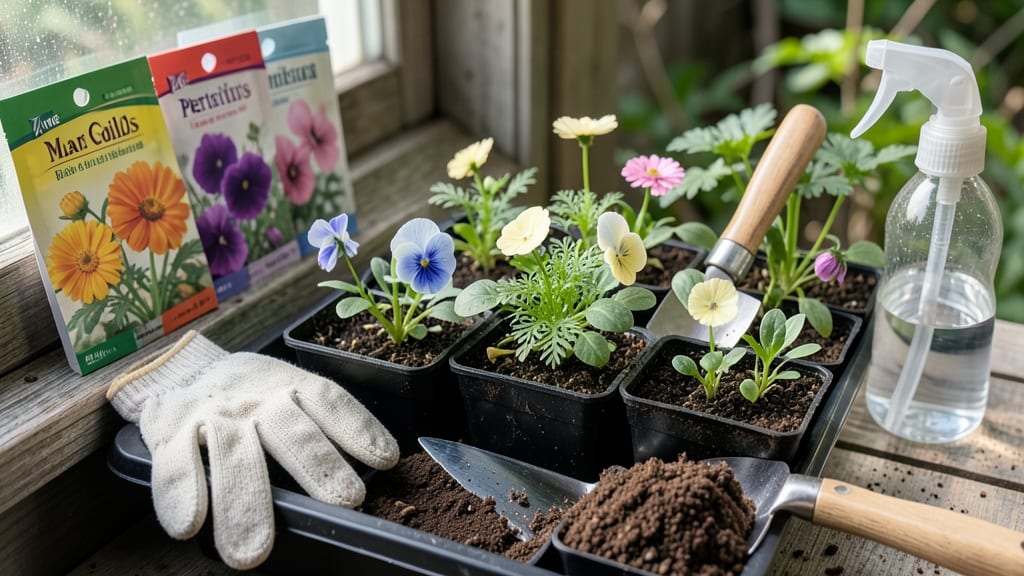
Timing your flower seed planting in Zone 6 can mean the difference between vibrant blooms and wasted efforts—especially when unpredictable microclimates throw off your schedule.
If you've ever stared at a seed packet wondering when to plant flower seeds in Zone 6, you're not alone. The right timing ensures your 🌸 thrives, whether you're growing delicate annuals or hardy perennials.
In Zone 6 (6a-6b), your last frost typically arrives around mid-April, but local variations can shift that window by weeks.
Spring planting usually kicks off 6-8 weeks before your last frost date, giving seedlings time to establish strong roots. For fall-blooming varieties, start seeds indoors 6-10 weeks before the first frost—usually by late summer.
The key is balancing soil warmth with frost risk, especially for heat-loving flowers like zinnias or cold-tolerant types like pansies.
In this guide, I’ll break down the exact planting windows for your region, including how microclimates (like urban heat islands or sheltered valleys) can adjust your schedule. You’ll also learn when to start seeds indoors versus direct-sowing for zero-frost success.
Zone 6 flower seed planting calendar by last frost date
Zone 6 gardeners face a 165-day growing season between the average last frost (mid-April) and first frost (mid-October). But timing your flower seed planting isn't just about calendar dates—it's about matching seeds to soil temperatures and frost probabilities.
Cold-hardy pansies and snapdragons can handle early spring sowing, while zinnias and marigolds need warmer soil to germinate reliably.
Start with your local frost-free probability—most Zone 6 areas hit 50% frost-free by April 15, but urban heat islands may be 2-4 weeks earlier. Use this as your baseline, then adjust for microclimates like sheltered valleys (plant later) or sunny south-facing beds (plant earlier).
For example, cosmos seeds can go directly into 50°F soil, while sunflowers need 60°F+.
Here’s how to align your flower seed planting with Zone 6’s monthly windows, balancing annuals (which bloom in one season) and perennials (which return yearly). The table below breaks down cold-tolerant vs. heat-loving flowers and their ideal planting times relative to your last frost date.
For annual flowers, focus on direct sowing after your last frost—this avoids transplant shock and encourages faster blooming. For example, marigolds and zinnias thrive when planted after May 1 in most of Zone 6, once nighttime temperatures stay above 50°F.
If you’re indoor starting heat-loving seeds like petunias, begin them 8-10 weeks before your last frost under grow lights to prevent leggy seedlings.
Perennials like coneflowers or black-eyed Susans can be sown directly in fall (August-September) for earlier spring emergence. The key is ensuring seeds have 6-8 weeks to establish roots before winter dormancy. Test your soil’s <
How microclimates in Zone 6 shift planting timelines by 2-4 weeks
Zone 6 gardeners know the USDA average last frost date—usually April 15—but your local microclimate could push that window 2-4 weeks earlier or later. A sheltered valley might thaw weeks before a windy ridge, while urban heat islands can create premature warmth.
These shifts directly impact when to plant flower seeds like zinnias or snapdragons for optimal blooms.
To pinpoint your true frost-free date, combine USDA data with 3 years of backyard observations. Track minimum nighttime temperatures using a home weather station or local weather service.
For example, if your low-lying garden stays frost-free 14 days earlier than the USDA average, adjust your seed-starting timeline accordingly. This precision ensures hardy annuals like pansies thrive while heat-loving flowers like marigolds avoid early-season stress.
- 🌡️ Urban Heat Islands: Plant heat-loving flowers (e.g., zinnias, cosmos) 2 weeks earlier than USDA averages. Use shade cloth to protect seedlings from premature wilting.
- 🌿 Sheltered Valleys: Shift cold-hardy seeds (e.g., pansies, snapdragons) 1-2 weeks later—frost risk lingers 10-14 days longer than exposed areas.
- 💨 Windy Ridges: Delay direct sowing by 2 weeks—wind desiccates tender seedlings. Use windbreaks (e.g., corn stalks, burlap) for first 3 weeks after planting.
- 📅 Calculate Your Date: Subtract 10 days from USDA’s last frost date for urban areas; add 14 days for valleys. Example: USDA = April 15 → Urban = April 5, Valley = April 29.
- 🌱 Seedling Hardiness: Start delicate flowers (e.g., petunias, geraniums) 6-8 weeks before your adjusted date; rugged annuals (e.g., sunflowers, marigolds) tolerate soil temps as low as 45°F.
For fall planting, microclimates work in reverse. A south-facing slope may stay frost-free until November 1, while a north-facing corner could freeze by October 15. Time cool-season flowers like asters or chrysanthemums to bloom before your first frost by planting 6-8 weeks prior to your local cutoff.
Use row covers to extend the season by 3-4 weeks in vulnerable areas.
Pro tip: Test your soil temperature with a thermometer—most flower seeds need 50-60°F soil to germinate. If your microclimate’s soil warms faster (e.g., black mulch on raised beds), you can plant 1-2 weeks earlier than the general guideline.
For example, cosmos seeds germinate well at 55°F, so take advantage of early warmth in urban microclimates.
Adjusting for microclimates isn’t just about shifting dates—it’s about matching plant needs to your garden’s unique conditions. By observing 3 years of frost patterns and experimenting with small test plots, you’ll refine your flower seed planting timeline to maximize blooms year after year.
Start with one microclimate zone (e.g., your sunniest bed) and expand as you gain confidence.
🌱