
Plants
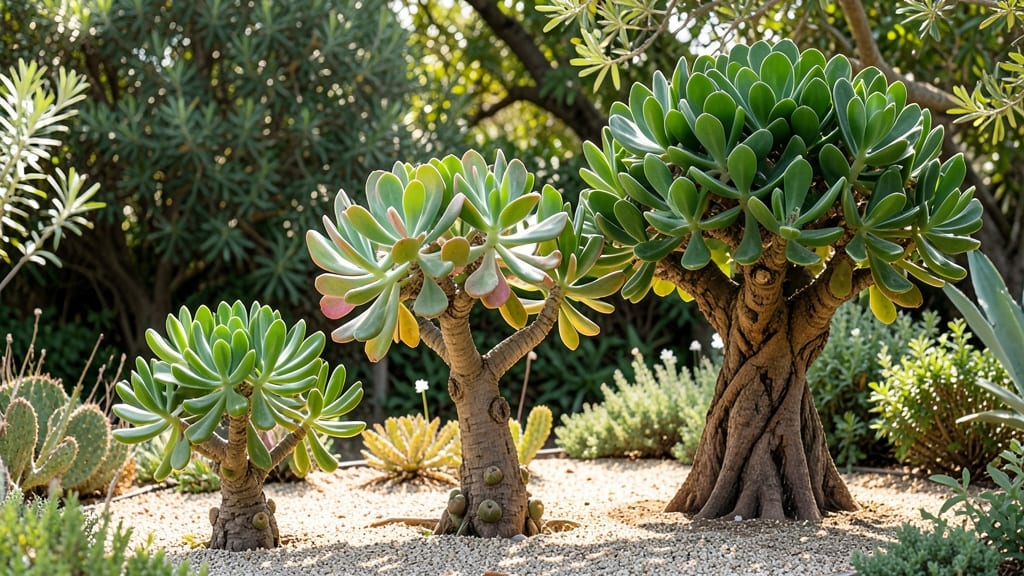
If you’ve ever wondered how tall can a jade plant grow, you’re not alone—this popular succulent can be as unpredictable as it is stunning. Some varieties stay small and bushy, perfect for shelves, while others stretch toward the ceiling like a miniature tree, especially with the right care.
Jade plants (🌿 Crassula ovata) are famous for their versatility, but their height depends on factors like light, pruning, and pot size. Without proper guidance, even a healthy plant can become leggy or top-heavy, losing that compact charm.
The good news? With a few simple adjustments, you can steer its growth in the direction you want—whether that’s a tabletop centerpiece or a striking indoor tree.
Let’s break down the truth about jade plant heights—from the 6-inch dwarf varieties to the 6-foot giants you might spot in nurseries. I’ll also share my top tips for controlling growth, so you can keep your plant at the perfect size for your space.
Ready to unlock the secrets of jade plant growth? By the end, you’ll know exactly what to do to nurture a plant that’s as healthy as it is stunning—no guesswork required.


Natural height range of jade plants: from tiny tabletop to towering indoor trees
If you’ve ever wondered, "How tall can a jade plant grow?"—the answer depends on genetics, care conditions, and whether you’re growing a dwarf variety or a standard Crassula ovata.
Jade plants are famously adaptable, with heights ranging from 6 inches to over 6 feet in ideal settings. Their growth rate also varies dramatically between indoor and outdoor environments, making them a fascinating study in plant flexibility.
The average jade plant height for most common varieties falls between 1 and 3 feet when mature, but with proper care (and a little patience), some can reach 6 feet or taller indoors.
Outdoors in warm climates, they may even grow as shrubs or small trees, though this is less common for typical houseplants. Understanding these ranges helps you plan for your space and avoid surprises when your plant outgrows its current home.
| Variety | Mature Height | Growth Timeline | Ideal Growing Conditions |
|---|---|---|---|
| Dwarf Jade (Crassula ovata 'Hummel's Sunset') | 6–12 inches | 1–2 years to maturity | Bright indirect light, small pots |
| Standard Jade (Crassula ovata) | 2–3 feet | 3–5 years to maturity | South-facing window, well-draining soil |
| Giant Jade (Portulacaria afra or hybrid) | 3–6 feet (indoors), 6+ feet (outdoors) | 5–10 years to full height | Full sun, large containers, warm climates |
| Variegated Jade (Crassula ovata 'Variegata') | 1–2 feet | 2–4 years to maturity | Bright light, minimal water |
Your jade plant’s growth rate is directly tied to its genetics. Dwarf varieties like 'Hummel’s Sunset' stay small (6–12 inches) even with ideal care, while standard Crassula ovata can reach 2–3 feet in 3–5 years.
The key to faster growth lies in light exposure—jade plants thrive in bright indirect sunlight (4–6 hours daily) and grow 2–4 inches per year under these conditions. Without enough light, they’ll stretch leggy and grow slowly.
Environmental factors like temperature and humidity also play a role. Jade plants grow fastest in warmth (70–80°F) and low humidity, which mimics their native South African climate. In cooler homes (60°F or below), growth slows dramatically, sometimes halting entirely until spring.
If you’re in a USDA Zone 9–11, outdoor jade plants can grow 30–50% faster than indoor counterparts due to year-round warmth and sunlight.
One common misconception is that jade plants grow vertically like trees. While they can develop a trunk-like stem with age, most stay bushy and rounded unless pruned to encourage height.
To grow a tall jade plant, focus on single-stem propagation—let one stem grow while pinching off side shoots. With this technique, you can guide a jade plant to 6 feet in 10 years, though it’ll require regular pruning to maintain a balanced shape.
Pot size is another critical factor. Jade plants grow slower in small pots because their roots become root-bound. Upgrading to a 1–2 inch larger pot every 2–3 years encourages faster, healthier growth. However, overpotting (using a pot 3+ inches larger) can lead to waterlogged soil and stunted growth.
The sweet spot? A pot that’s just slightly larger than the root ball—this balances growth and moisture control.
If you’re dreaming of a towering jade plant, start with a standard variety and provide optimal care: bright light, minimal water, and occasional pruning. With patience, your jade could become a conversation-piece centerpiece in just a few years.
For smaller spaces, dwarf varieties offer the same beauty without the height commitment—proof that jade plants adapt to any home, no matter the size.
Remember: slow and steady wins the race with jade plants. Rushing growth with overwatering or fertilizer can backfire, leading to root rot or weak stems.
Instead, focus on consistent light and proper spacing, and your jade will reward you with steady, healthy growth—whether it stays small or reaches for the sky.
How to control jade plant growth: pruning, light, and pot size secrets
Controlling your jade plant’s height starts with understanding its natural growth patterns. These succulents grow vertically when stretched for light but stay bushy when pruned regularly.
The key is balancing light exposure, pruning techniques, and pot size to guide growth in the direction you prefer—whether that’s a compact bush or a tall, tree-like specimen.
I’ve found that top-heavy pruning is my go-to method for keeping jade plants compact. By cutting back the top growth, you encourage bushier, fuller growth while preventing leggy stems. This works especially well for dwarf varieties, which naturally stay under 12 inches tall with proper care.
For taller varieties, strategic pruning can even create a miniature bonsai effect.
🌱 Did You Know?
A jade plant can grow 3-6 feet tall indoors with ideal conditions, but most stay 2-3 feet when pruned regularly. The world’s tallest recorded jade plant reached 15 feet—but that required specialized care and a trellis system!
Light plays a huge role in determining height. Jade plants stretch toward light, so placing them near a south-facing window ensures balanced growth. If your plant starts looking leggy or sparse, it’s likely craving more light.
Rotate the pot quarter-turns weekly to prevent uneven growth toward the window.
Pot size matters more than you might think. A too-large pot encourages rapid root growth but can lead to overwatering issues and leggy stems. I recommend using a pot that’s only 1-2 inches larger than the plant’s current root ball.
This limits excess soil moisture while keeping the plant root-bound enough to focus on foliage growth.
For vertical growth, try training your jade plant on a trellis or moss pole. This works especially well for taller varieties like the ‘Gollum’ or ‘Cristata’ types.
Simply tie the stems gently to the support as they grow. Over time, the plant will climb naturally, creating a stunning indoor tree without needing a massive pot.
Finally, don’t forget to repot every 2-3 years to refresh the soil and give roots room to grow. Use a well-draining cactus mix and add perlite or sand to prevent root rot.
With these simple adjustments, you’ll keep your jade plant at the perfect height—whether you want it small and bushy or tall and dramatic.