
Flowers
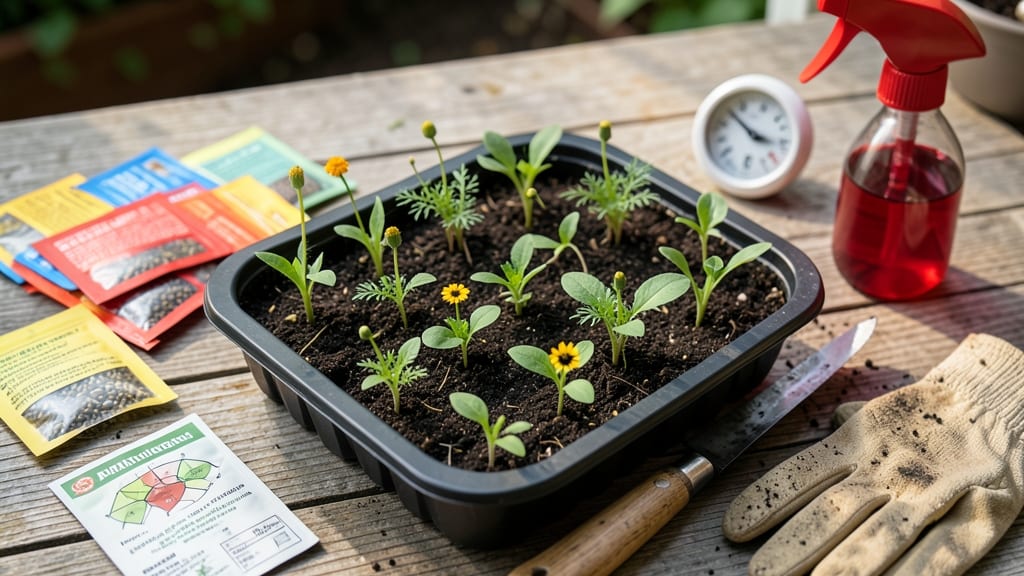
Timing your flower seeds planting in Minnesota isn’t just about the calendar—it’s about beating the last frost to unlock a summer of vibrant blooms like 🌸 coneflowers and black-eyed Susans that thrive in your 4a-5b zone.
Get it wrong, and your hard work could end up buried under snow. But nail the window—April-May after the last frost or late July for fall blooms—and you’ll enjoy flowers that outlast summer’s heat.
I’ll show you exactly when to plant, which varieties handle Minnesota’s unpredictable swings, and how to stretch your season with simple tricks.
No more guessing games or wilting dreams. Whether you’re a first-time gardener or a seasoned pro, these cold-hardy strategies will help you grow a garden that’s as resilient as it is beautiful. Let’s turn your Minnesota yard into a floral paradise.
Ready to dig in? I’ll walk you through the best planting times, soil prep secrets, and even how to protect your blooms from late frosts—so you can enjoy your garden from spring through fall.
Minnesota’s last frost dates: exact planting windows by region
Minnesota’s last frost dates vary dramatically by region, from late April in southern Minnesota to mid-June in the Northland. These dates determine when you can safely plant cold-hardy flower seeds outdoors without risking frost damage.
For example, Zone 3 (Northland) gardeners should wait until after May 20, while Zone 5 (Twin Cities) can start as early as April 25.
To maximize bloom time, I recommend checking the Minnesota State Climatology Office for your specific USDA Hardiness Zone. Even within a zone, microclimates—like south-facing slopes or urban heat islands—can shift planting windows by 1-2 weeks.
For instance, St. Paul’s last frost averages May 12, but a sunny hillside might be frost-free by May 5.
For fast-growing annuals like marigolds or zinnias, you can even plant seeds 2 weeks before last frost if the soil is workable. However, delicate perennials like foxgloves need to wait until 2 weeks after last frost to avoid stunted growth.
Always monitor local forecasts—late spring frosts can still occur in May.
Minnesota Last Frost Dates & Planting Windows
| Region | USDA Zone | Avg. Last Frost | Outdoor Planting Window | Indoor Start (6-8 wks prior) |
|---|---|---|---|---|
| Northland (International Falls) | 3a-4a | June 10-15 | June 1-15 | April 1-15 |
| Arrowhead (Duluth) | 4a-4b | May 25-30 | May 15-25 | April 1-15 |
| North Central (Brainerd) | 4b-5a | May 10-15 | May 1-10 | March 15-April 1 |
| Twin Cities (Minneapolis/St. Paul) | 4b-5a | May 12 | April 25-May 5 | March 15-April 1 |
| Southwest (Mankato) | 4b-5a | May 5-10 | April 20-April 25 | March 15-April 1 |
| Southeast (Rochester) | 4b-5a | May 1-5 | April 15-20 | March 15-April 1 |
| Southwest (Willmar) | 4a-4b | May 15-20 | May 1-10 | March 15-April 1 |
| Southern (Winona) | 4b-5a | April 25-May 1 | April 15-20 | March 15-April 1 |
Note: Adjust for microclimates—urban areas may warm 1-2 weeks earlier.
If you’re eager for early blooms, start cold-hardy seeds indoors like pansies or snapdragons 6-8 weeks before last frost. For example, in Zone 4b (Twin Cities), that means indoor sowing by March 15.
Use grow lights to prevent leggy seedlings—natural light alone won’t cut it in Minnesota’s short spring days.
For warm-season flowers like sunflowers or cosmos, wait until soil temperatures reach 60°F (test with a soil thermometer). In most of Minnesota, this happens 2-3 weeks after last frost.
Pro tip: Black plastic mulch can warm soil 5-10°F faster, giving you an earlier start for heat-loving blooms.
Don’t forget about fall planting! Some flowers, like pansies or sweet alyssum, thrive when sown 8-10 weeks before first frost (typically late July-August). These cool-season annuals will bloom until hard frosts in October, extending your garden’s color palette long after summer’s end.
For real-time updates, bookmark the University of Minnesota Extension’s frost date maps. Their interactive tools let you input your ZIP code for hyper-local advice. I’ve used them for years to avoid frost-damaged seedlings—trust me, it’s worth the 2-minute setup!
🌱
Best cold-hardy flower seeds to plant after last frost in Minnesota
Minnesota’s unpredictable weather means your flower seeds need to be tough—able to handle cool soils and late frosts while still delivering bold blooms from summer through fall.
The key is choosing cold-hardy annuals and perennials that thrive in USDA Zones 4a-5b, like cosmos and black-eyed Susans, which bounce back from temperature swings better than delicate tropical varieties.
For early spring planting (after last frost, typically mid-May), prioritize seeds that germinate quickly in 50-60°F soil. These include pansies, snapdragons, and sweet alyssum, which can handle light frosts and even bloom in cool weather.
If you’re aiming for fall color, late July plantings of marigolds or zinnias will reward you with late-season blooms before frost.
Here’s my curated list of 12 top-performing flowers for Minnesota gardens, ranked by their ability to handle our climate—plus their heat tolerance and drought resistance so you can plan for summer’s dry spells.
Top Cold-Hardy Flowers for Minnesota
For sunlight lovers, most of these flowers need 6+ hours of sun daily, but pansies and sweet alyssum can tolerate partial shade (4-6 hours), making them perfect for container gardens or shadier corners of your yard.
If you’re dealing with dry spells, cosmos and zinnias are your best bets—they’re drought-tolerant once established.
Pro tip: Mix fast growers like marigolds (30-40 days to bloom) with slower perennials like coneflowers (60-90 days) to ensure continuous color. And don’t overlook succession planting—sow a second round of zinnias in late July for fall blooms that rival summer’s vibrancy.
With these <