
Plants
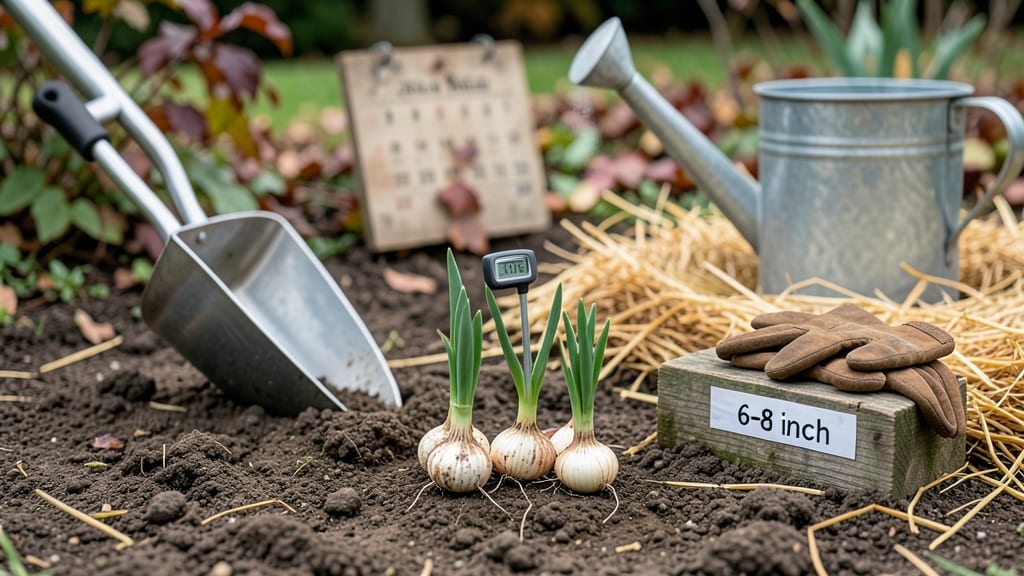
Planting tulips in Texas isn’t as simple as dropping bulbs in the ground—timing is everything, especially when you’re dealing with heat zones 8A-9B where summers scorch and winters can be surprisingly mild.
Too early, and your 🌷 bulbs might sprout before they’re ready, only to wilt in the heat. Too late, and they could rot before spring blooms. The key lies in understanding your specific Texas region—North Texas’s cooler winters versus South Texas’s near-tropical climate—and planting at the perfect moment.
Most Texas gardeners assume fall planting is one-size-fits-all, but the truth is more nuanced. In North Texas (7b-8a), you’ve got a slightly wider window—think October through November—while Central and South Texas gardeners should wait until November or even December to avoid premature sprouting.
The goal? Plant when soil temperatures drop below 60°F, giving bulbs time to root without waking up too soon.
Why does this matter? Because tulips need a period of cold dormancy to bloom, and Texas’s mild winters can trick them into thinking spring has arrived. By following the right schedule, you’ll ensure your bulbs get the chilling they need without the stress of heat or frost.
I’ll walk you through the exact steps—so you can enjoy vibrant 🌷 blooms next spring without the guesswork.
Ready to transform your Texas garden into a springtime spectacle? Let’s dive into the step-by-step guide that’ll help you plant tulip bulbs at the perfect time—no matter where you are in the Lone Star State.
Optimal tulip bulb planting timeline for Texas heat zones 8A-9B
Texas’s unique climate—with its brutal summers and mild winters—makes tulip bulb planting a high-stakes game of timing. Unlike northern climates, where bulbs can go in the ground months earlier, Texas gardeners must wait until soil temperatures drop below 60°F (15°C) to avoid premature sprouting.
The key window spans October through December, but regional variations in Heat Zones 8A-9B mean your exact timing depends on whether you’re in North, Central, or South Texas.
In North Texas (Zones 7b-8a), where first frosts arrive as early as mid-November, aim to plant bulbs by early November. Gardeners in Central Texas (Zones 8a-8b) have slightly more flexibility, with ideal planting dates stretching into mid-December.
Meanwhile, South Texas (Zones 9a-9b) gardeners should wait until late November to January to avoid summer heat stress. This schedule ensures bulbs establish roots before winter dormancy and bloom vibrantly in spring.
Soil temperature is your best guide: Use a soil thermometer to confirm readings below 60°F (15°C) before planting. In Texas, this typically aligns with late October to early December, but early-morning frosts in North Texas can push the deadline earlier. For container gardening, extend your window by planting in well-draining pots and moving them to shaded areas during summer heat.
Here’s your region-specific planting timeline, including soil prep and depth guidelines to maximize success:
| Region | Ideal Planting Window | Soil Temp Threshold | Planting Depth | Spacing | Key Tip |
|---|---|---|---|---|---|
| North Texas (Zones 7b-8a) | October 15 – November 15 | Below 60°F (15°C) | 6–8 inches deep | 4–6 inches apart | Add compost to improve drainage |
| Central Texas (Zones 8a-8b) | November 1 – December 15 | Below 60°F (15°C) | 6–8 inches deep | 4–6 inches apart | Mulch with straw after planting |
| South Texas (Zones 9a-9b) | Late November – January | Below 60°F (15°C) | 6–8 inches deep | 6 inches apart | Use raised beds for heat escape |
For all regions, planting depth is critical: Tulip bulbs need 6–8 inches of soil coverage to protect them from summer heat and winter freezes. In Texas’s clay-heavy soils, amend planting areas with sand or compost to improve drainage—waterlogged bulbs rot quickly.
After planting, water lightly to settle the soil, then reduce watering until spring rains return.
One common mistake in Texas is planting high-chill tulip varieties, which require 12–15 weeks below 40°F (4°C) to bloom. Instead, opt for low-chill varieties like Darwin Hybrids or Parrot tulips, which thrive with 6–8 weeks of chilling.
These varieties are better suited to Texas’s milder winters and deliver bold, long-lasting blooms in spring.
If you miss the fall window, don’t panic—January planting is still viable in South Texas, where soil stays warm longer. However, prioritize well-draining soil and partial shade to protect bulbs from summer heat.
For container gardeners, choose 10-inch-deep pots with drainage holes and move containers to a shaded patio during peak summer.
After planting, mulch heavily with straw or pine needles to insulate bulbs from temperature swings. In North Texas, this helps prevent winter heaving (bulbs pushing out of the soil), while in South Texas, mulch shields bulbs from summer heat stress.
Remove mulch in early spring to allow foliage to photosynthesize and fuel next year’s blooms.
Finally, mark your tulip beds with stakes or flags—Texas’s unpredictable winters can erase planting lines, making it easy to accidentally dig up
How to adjust planting for Texas’s unpredictable winters: chilling requirements & bulb choices
Texas’s mild winters mean traditional tulip bulbs often fail because they need 12-16 weeks of chilling below 40°F. Most garden centers sell high-chill varieties (like Dutch Festival) that won’t bloom—or may not survive—here.
The solution? Choose low-chill varieties or replicate winter conditions. Darwin Hybrids and Parrot tulips thrive with just 6-8 weeks of chilling, making them perfect for Texas Heat Zones 8A-9B.
Even low-chill bulbs need consistent soil temps below 60°F to break dormancy. In warmer regions like South Texas (Zone 9A), bulbs planted in December or January may not get enough chill.
For these areas, pre-chill bulbs in a refrigerator for 6-8 weeks before planting. Store them in a paper bag with peat moss to mimic winter conditions.
Here’s the key difference between high-chill and low-chill tulips in Texas:
Low-Chill Tulips (Best for Texas)
- ✅ Darwin Hybrids – 6-8 weeks chill; bold blooms (red, pink, yellow)
- ✅ Parrot Tulips – 6-8 weeks chill; exotic, ruffled petals
- ✅ Fosteriana – 4-6 weeks chill; early spring blooms
- ✅ Kaufmanniana – 4-6 weeks chill; wildflower-like
High-Chill Tulips (Avoid in Texas)
- ❌ Dutch Festival – 12-16 weeks chill; rarely blooms in Texas
- ❌ Triumph – 12-14 weeks chill; weak stems in heat
- ❌ Fringed – 14-16 weeks chill; may rot before blooming
- ❌ Double Late – 14-16 weeks chill; poor survival in mild winters
Texas’s USDA Zones 8A-9B create unique challenges. In North Texas (Zone 8A), bulbs can handle milder winters with 10-12 weeks of chill, so varieties like Darwin Hybrids excel.
In Central Texas (Zone 8B), even shorter chilling periods work, while South Texas (Zone 9A) gardeners must rely on pre-chilling or Fosteriana tulips, which need the least cold.
If you’re unsure about your chilling requirements, test a few bulbs in containers first. Plant them in well-draining potting mix and move pots to a garage or shaded patio during warm spells.
This gives you control over soil temperatures and moisture levels, reducing the risk of rot or premature sprouting.
For long-term success, amend your soil with compost and sand to improve drainage—Texas’s clay-heavy soils can suffocate bulbs. After planting, water deeply once and avoid overhead watering to prevent fungal diseases. In spring, let foliage die back naturally to replenish bulb energy for next year’s blooms.
With the right bulb choices and chilling strategies, you can enjoy vibrant tulips in Texas gardens year after year—no matter how unpredictable the winter.
Start with Darwin Hybrids or Parrot tulips, and don’t forget that mulch is your best friend in protecting those precious bulbs from temperature swings.