
Plants
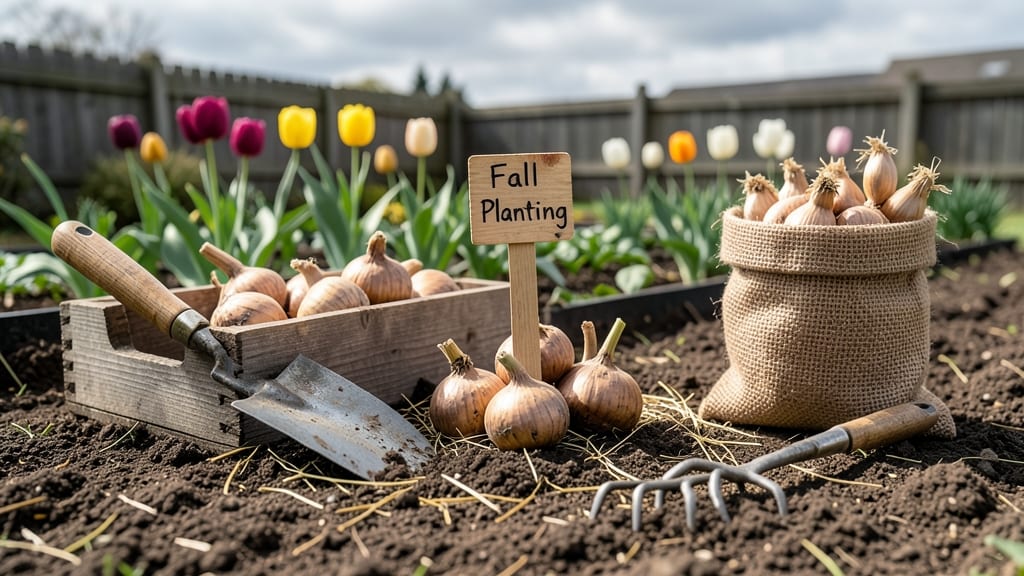
Planting tulip bulbs in the ground at the wrong time can leave you staring at bare soil all spring—no blooms in sight. The key to those vibrant spring displays starts in fall, when cool soil temperatures and frost-free conditions create the perfect window for planting.
For USDA Zone 6a, like many gardeners in the Midwest, October through November is your sweet spot—but timing shifts dramatically depending on where you live.
Most gardeners assume spring is the time to plant tulips, but that’s a common myth that leads to disappointment. In reality, bulbs need 6-8 weeks of chilly soil to establish roots before winter dormancy kicks in.
That means if you wait until spring, your tulips will struggle to bloom—or worse, never emerge at all. The secret lies in understanding your local frost dates and soil conditions.
Let me walk you through exactly when to plant in your area, how to prepare the soil, and what to watch for as winter approaches.
You’ll learn how to adjust for early frosts, mulching tips to protect your investment, and even how to cheat the system if you live in a mild climate. By the time spring rolls around, you’ll be the one with the show-stopping tulip garden everyone admires.
Ready to transform your garden? We’ll cover everything from soil temperature checks to planting depth, so you can confidently get those bulbs in the ground at the perfect moment. No more guessing—just reliable, beautiful blooms come April.
Optimal fall planting dates for tulip bulbs by USDA Zone
Planting tulip bulbs at the right time ensures they establish strong roots before winter dormancy, guaranteeing vibrant spring blooms. The ideal window is 4-6 weeks before the ground freezes, but this varies dramatically by USDA hardiness zone and regional microclimates.
For example, gardeners in Zone 3 must plant by mid-September, while those in Zone 10 can wait until December. Soil temperatures below 50°F (10°C) signal it's time to plant—bulbs need this cool period to root before freezing.
Missed the fall window? Don't panic—many tulip varieties tolerate late fall planting if the ground hasn't frozen solid. However, bulbs planted too late may not bloom as vigorously or could rot in soggy winter soil.
Always prioritize well-draining soil and 6-8 inches of depth to protect bulbs from freeze-thaw cycles. Regional exceptions apply, especially in areas like the Pacific Northwest (cooler, wetter) or Deep South (milder winters).
| USDA Zone | Ideal Planting Month | Soil Temp Threshold | Regional Notes |
|---|---|---|---|
| 3-4 | Mid-September to early October | 45-50°F (7-10°C) | Early frost risk; plant early |
| 5-6 | Late September to mid-October | 50-55°F (10-13°C) | Standard timing for most gardeners |
| 7-8 | td style="padding: 8px; border-bottom: 1px solid #919759;">October to early November55-60°F (13-16°C) | Pacific Northwest: extend to November | |
| 9-10 | November to December | 60-65°F (16-18°C) | Deep South: plant after first frost |
In USDA Zones 3-4, where winters are harsh, aim to plant tulips by early October to allow roots to establish before the ground freezes. Use a soil thermometer to confirm temperatures are consistently below 50°F (10°C)—this signals bulbs to enter dormancy.
For Zone 5-6 gardeners, late September to mid-October is ideal, aligning with average first frost dates. If your area experiences unpredictable frosts, err on the earlier side to avoid bulb rot.
Gardeners in Zones 7-8 have more flexibility, with planting windows stretching from October to early November. The Pacific Northwest often extends this to November due to cooler, wetter conditions. Always check local frost forecasts—bulbs planted too late may not bloom or could suffer from waterlogged soil.
In Zones 9-10, tulips can be planted as late as December, but they’ll need pre-chilling (4-6 weeks in the fridge) to simulate winter dormancy.
Regional exceptions matter! For example, Southern California (Zone 10) tulips should be planted in November-December and pre-chilled, while Florida gardeners (Zone 9) can plant in early winter after the first frost.
Always adjust for microclimates—shady spots may stay cooler longer, delaying planting. Mulch heavily after planting to insulate bulbs and protect them from freeze-thaw cycles.
Pro tip: If you’re unsure about your last frost date, use the 50°F soil temperature rule as your guide. Plant when daytime highs drop below 70°F (21°C) and nighttime lows approach 50°F (10°C).
This ensures bulbs have time to root before winter sets in. For container-grown tulips, plant in the same window but use well-draining potting mix and move pots to a sheltered spot in winter.
Common mistakes include planting too early (bulbs may sprout and die in winter) or too late (roots won’t establish). Always amend soil with compost for better drainage and add a 2-inch layer of mulch after planting.
This protects bulbs from temperature fluctuations and keeps soil moist. In sandy soils, water lightly after planting to encourage root growth before dormancy.
Remember, tulips are perennials—proper fall planting ensures they return year after year. If you’re in a mild-winter zone, consider double-chilling bulbs (store-bought bulbs often need extra cold exposure).
For early bloomers, plant Dutch or Darwin hybrids first—they need the longest rooting period. Save late-blooming varieties for slightly later in the window.
With the right timing and care, your tulips will reward you with bold, colorful blooms next spring. Mark your calendar, check soil temps, and plant confidently—your future garden will thank you! 🌷
5 Critical signs your tulip bulbs are ready for fall planting
Planting tulip bulbs at the wrong time can leave them vulnerable to winter damage or delayed blooms. Knowing the 5 critical signs your bulbs are ready ensures they establish roots before dormancy. These cues focus on soil conditions, temperature thresholds, and bulb readiness—not just calendar dates.
First, check your local frost forecast. Tulips need 4-6 weeks to develop roots before the ground freezes. If your area predicts a hard freeze in 6 weeks, it's time to plant.
Use the National Weather Service or local gardening extensions for accurate timelines tailored to your USDA zone.
Next, test your soil temperature. Tulip bulbs thrive when soil temps drop to 40-50°F (4-10°C). Use a soil thermometer to verify—if temps are consistently below 50°F, your bulbs are ready. Cooler soil prevents premature sprouting, which weakens bulbs before winter.
Now, examine the bulbs themselves. Healthy tulip bulbs should feel firm and plump, with no signs of mold or soft spots. If you notice shriveled or hollow bulbs, discard them—they won’t survive planting.
Store any unplanted bulbs in a cool, dry place (like a mesh bag in the fridge) until conditions improve.
Use a soil thermometer to confirm temps are cool but not frozen. Plant when soil is workable but firm—ideal for root growth before winter.
Check local forecasts for the first hard freeze. Plant bulbs 6 weeks before to allow roots to establish before dormancy.
Healthy bulbs feel heavy for their size and have papery skins. Avoid bulbs that are soft, moldy, or sprouting—these won’t survive planting.
Tulips need shorter days to trigger dormancy. Plant when daylight drops below 12 hours—typically late September to early November.
Plant in soil that drains well to prevent rot. If rain is forecast, plant bulbs 2 weeks early to avoid waterlogged conditions.
Adjust for early or late frosts by monitoring local patterns. In Zone 5 or colder, plant as soon as soil is cool (even if frost is imminent)—bulbs can handle light freezes. In Zones 7-10, wait until soil cools below 60°F (15°C) to prevent premature sprouting.
Finally, avoid the biggest mistakes: planting too early (bulbs rot) or too late (roots don’t establish). If you miss the window, store bulbs in a cool, dark place and replant next fall. With these signs, you’ll time your planting perfectly for vibrant spring blooms!