
Plants
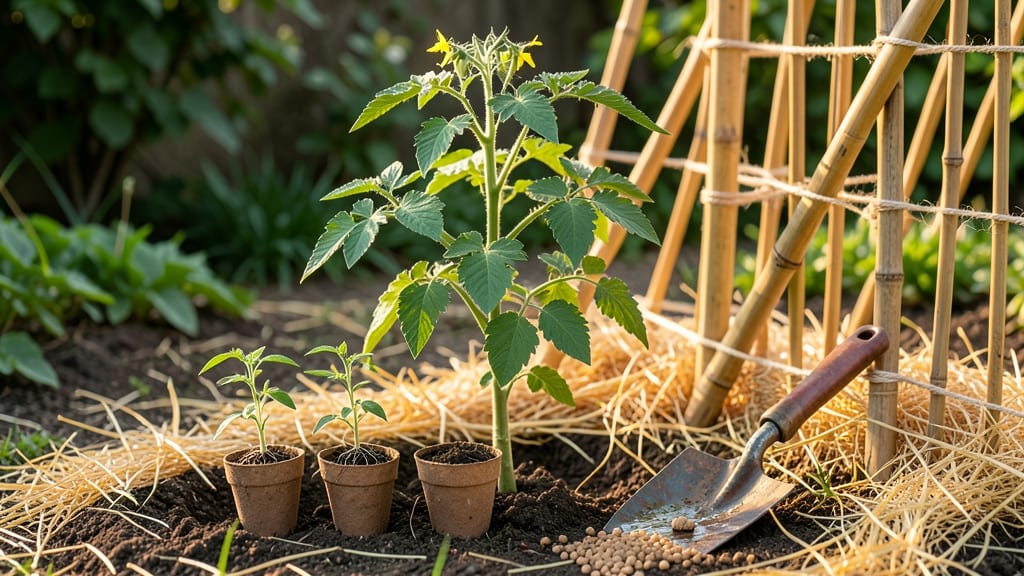
Planting fall tomatoes in South Texas isn’t just about throwing seeds in the dirt—it’s about outsmarting the heat and frost to get that last burst of 🍅 before winter sets in.
The wrong timing means either wilting seedlings or fruit ruined by early cold snaps, and neither is worth the effort.
Most gardeners in Zone 9B know the drill: aim for late summer to early fall, but the real magic happens in the details. We’re talking soil temps that drop below 90°F and varieties that can handle the transition from sweltering afternoons to chilly mornings.
Get this right, and you’ll be harvesting juicy tomatoes well into December.
I’ve tested the best windows for transplanting—August through mid-September—and the varieties that thrive in this tricky climate. Whether you’re a first-timer or a seasoned gardener, these insights will help you avoid common pitfalls and maximize your harvest.
Ready to turn your backyard into a tomato powerhouse? Let’s break down the exact schedule, soil prep, and care tips that’ll keep your plants happy until the very last harvest.
South Texas heat zone 9B: ideal fall tomato planting windows explained
South Texas gardeners face a unique challenge: the scorching summer heat and unpredictable fall frosts. In Heat Zone 9B, the window for planting fall tomatoes is narrow but critical—miss it, and you risk heat stress or early frost damage.
The key is understanding two optimal planting windows: early fall (late August) and late fall (early September). These windows align with soil temperature drops and daylight shortening, both essential for successful tomato growth.
First, let’s clarify why timing matters. Tomatoes thrive when soil temperatures drop below 90°F but stay above 50°F. In South Texas, the average first frost date is around December 15, giving you roughly 120 days to grow tomatoes from transplant to harvest.
However, heat-tolerant varieties can extend this slightly, but they’re not foolproof—even the hardiest tomatoes struggle when nighttime temps dip below 55°F.
Here’s the golden rule: Plant your fall tomatoes when daytime highs are consistently below 95°F and nighttime lows hover around 70-75°F. This typically lands in two windows: the first in late August and the second in early September.
The first window is riskier due to lingering summer heat, while the second offers a safer bet as temperatures naturally cool. Let’s break down each window’s pros and cons.
| Planting Window | Ideal Planting Month | Soil Temp Range | Daylight Hours | Key Considerations |
|---|---|---|---|---|
| Early Fall | Late August | 80-90°F (day), 70-75°F (night) | 12-13 hours | Higher heat risk; use shade cloth for seedlings |
| Late Fall | Early September | 75-85°F (day), 65-70°F (night) | 11-12 hours | Lower heat stress; better fruit set |
| Extended Window | Mid-September | 70-80°F (day), 60-65°F (night) | 10-11 hours | Risk of early frost; choose fast-maturing varieties |
The early fall window (late August) is ideal for gardeners who want to stretch their harvest season as long as possible. However, it requires extra vigilance—you’ll need to monitor soil temperatures closely and be prepared to provide afternoon shade for seedlings.
This window works best for heat-tolerant varieties like ‘Celebrity’ or ‘Solar Fire’, which can handle warmer soils and still produce fruit before the cold sets in.
If you’re planting in late August, aim to transplant seedlings by August 20-25. This gives you about 100 days to harvest before the first frost. To improve success, harden off seedlings for at least 7-10 days before planting and use mulch to keep roots cool.
Water deeply in the early morning to prevent fungal diseases like blight, which thrives in the humid South Texas air.
For most gardeners, the late fall window (early September) is the safest bet. By this time, daytime highs have dropped to 85-90°F, and nighttime lows are more tomato-friendly.
Planting in early September (around September 1-10) gives you a 90-day window to harvest, which is perfect for medium-maturing varieties like ‘Better Boy’ or ‘Early Girl’. This window also aligns with shorter daylight hours, which helps tomatoes shift energy from leaves to fruit.
Don’t overlook the extended window (mid-September), though it’s riskier. If you’re set on planting this late, choose fast-maturing varieties like ‘Tiny Tim’ or ‘Patio’, which can reach maturity in 55-65 days.
Plant by September 15 and be prepared to protect plants with row covers if frost threatens. This window is best for small-scale gardeners or those with limited space who want a late-season harvest.
Regardless of which window you choose, soil preparation is non-negotiable. South Texas soils can be clay-heavy and alkaline, which tomatoes hate
How to adjust your planting schedule for South Texas’ unpredictable weather patterns
South Texas’ late summer heatwaves can scorch young tomato plants, while early frosts in December can end your harvest before it begins. The key is flexibility—adjusting your planting schedule based on real-time weather trends rather than relying on averages.
I’ve learned that transplant timing is everything when dealing with Heat Zone 9B’s erratic conditions.
Start by monitoring soil temperatures—they should be below 90°F for successful transplanting. Use a soil thermometer to check before planting, especially in August or early September.
If temps spike unexpectedly, delay transplanting until nighttime temperatures drop below 85°F. This small adjustment can prevent heat stress in seedlings and improve fruit set.
Planting tomatoes after mid-September in South Texas increases frost risk. Even heat-tolerant varieties like Solar Fire or Heatmaster may not mature before the first frost (typically December 15). Use a row cover if extending your season, but be prepared to harvest early if temps drop unexpectedly.
When unpredictable rainfall disrupts your schedule, prioritize well-draining soil to prevent waterlogged roots. Amend clay-heavy soils with compost or sand before planting.
If heavy rains delay your transplanting window, opt for fast-maturing varieties like Early Girl or Celebrity, which can reach maturity in 60-70 days—just enough time to harvest before frost.
Use shade cloth (30-50%) during peak afternoon heat (12 PM–4 PM) to protect young plants. This isn’t just about temperature—it also reduces transpiration stress, helping plants establish stronger root systems. Remove the shade cloth after two weeks to harden off seedlings for full sun exposure.
For extended harvests, choose determinate varieties like Roma or Patio, which produce fruit over a shorter window but are more frost-resistant than indeterminate types.
If you’re pushing the season, consider greenhouse or cold-frame growing to buy extra time. Even a simple hoop house can delay frost by 2-3 weeks.
Finally, keep a gardening journal to track your local microclimate. Note when heatwaves or early frosts occur each year—this data will help you fine-tune your planting schedule for future seasons. With these adjustments, you’ll maximize your fall tomato harvest despite South Texas’ unpredictable weather. 🌱🌡️✂️