
Plants
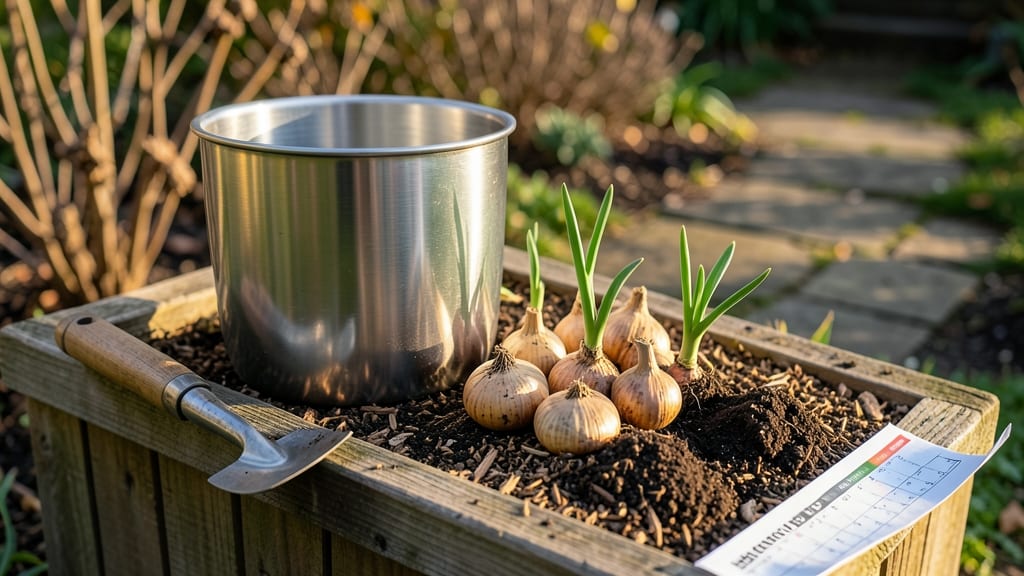
Planting tulips in Texas isn’t as simple as dropping bulbs in the ground—timing is everything, and that perfect window runs from late September to mid-October. Skip this, and your 🌷 might rot in the heat or fail to bloom before winter’s chill.
Texas’s unique climate demands patience, but with the right approach, you can coax stunning spring blooms even in the Lone Star State’s tough conditions.
Most gardeners assume tulips thrive only in cold climates, but Texas’s varied zones—from 7b in the north to 9a in the south—mean you can still succeed with the right strategies.
The key is giving bulbs time to root before winter sets in, avoiding the summer heat that can turn your investment into mulch. I’ll show you exactly how to beat the odds and grow tulips that outshine even the most experienced gardener’s expectations.
Why does this matter? Because a well-timed planting isn’t just about pretty flowers—it’s about saving money, avoiding disappointment, and creating a garden that thrives despite Texas’s unpredictable weather.
Whether you’re a first-time gardener or a seasoned pro, these insights will help you plant with confidence and enjoy blooms that make your neighbors green with envy.
Ready to transform your yard? Let’s dive into the exact steps for preparing your soil, choosing the right varieties, and planting tulips so they’ll return year after year—even in Texas’s challenging climate. Your spring garden will thank you.
Best planting window for tulips in Texas: late September to mid-October explained
Texas’s unique climate makes tulip planting a delicate balance. Unlike cooler states, we can’t rely on first frost dates—instead, we focus on soil temperatures dropping below 60°F (15°C) while avoiding winter freezes that can damage emerging roots.
This 6-week window (late September to mid-October) gives bulbs time to establish roots before dormancy.
The ideal planting time varies slightly across Texas:
- North Texas (Zones 7b-8a): Aim for mid-September to early October
- Central Texas (Zones 8a-8b): Late September to early October
- South Texas (Zones 9a-9b): October only, closer to mid-October
Planting too early risks rot from warm soils, while late planting may result in weak stems or no blooms.
Here’s why this timing works: Tulip bulbs need 4-6 weeks of cool soil (below 60°F) to develop roots before winter. Texas’s variable winters—from mild to sudden freezes—demand this precise window.
For example, Dallas gardeners should plant by October 15, while Houston gardeners can wait until late October.
🌱Pro Tip: Use a soil thermometer to confirm temperatures. Bulbs should go into 50-60°F (10-15°C) soil—any warmer, and they’ll rot.
| Region | Best Planting Window | Soil Temp Goal | Key Consideration |
|---|---|---|---|
| North Texas (Zones 7b-8a) | Mid-September to early October | 50-60°F (10-15°C) | Earlier freezes possible |
| Central Texas (Zones 8a-8b) | Late September to early October | 55-60°F (13-15°C) | Milder winters, longer window |
| South Texas (Zones 9a-9b) | Mid-October only | 60°F (15°C) max | Avoid summer heat stress |
| East Texas (Humid) | Late September to early October | 50-55°F (10-13°C) | Prevent fungal rot |
Texas’s heavy clay soils in areas like Austin or San Antonio can trap moisture, while sandy soils in West Texas dry out too quickly. Both extremes require amendments (more on this in the next section) to create the well-draining, slightly acidic (pH 6.0-7.0) conditions tulips crave.
Without this prep, bulbs may rot in clay or dry out in sand.
Another Texas-specific challenge is our unpredictable winters. While tulips are hardy to Zone 3, they need consistent chilling (below 40°F/4°C for 12-16 weeks). In milder winters (like Houston’s Zone 9a), bulbs may not get enough chill hours, leading to poor blooming.
To compensate, choose early-blooming varieties like ‘Darwin Hybrid’ or plant in elevated beds for better air circulation.
🌿Common Mistake: Planting tulips in summer or early fall (June-August) causes bulbs to sprout and die from heat stress. Always wait until soil temps drop below 60°F.
For container gardening in Texas, the rules shift slightly. Potted tulips can be planted 2-3 weeks later (early October) because containers cool faster than in-ground soil. However, move pots to a garage or shaded patio during daytime heat waves (above 85°F/29°C
Finally, mulching is non-negotiable in Texas. Apply 3-4 inches of straw or pine needles after planting to: 🌷Final Tip: Mark your planting date and set a reminder for spring cleanup (after foliage yellows). In Texas, second-year blooms are common if you leave foliage until it dies back naturally!
Best planting window for tulips in Texas: late September to mid-October explained
Texas’s climate throws a curveball for tulip lovers—bulbs need 6-8 weeks of cool soil to root before winter dormancy.
That’s why the ideal window runs from late September to mid-October, giving your 🌷 time to establish roots before the heat of summer or the chill of winter kicks in. Skip this, and you risk rot or missed blooms.
Think of it like this: Soil temps must drop below 60°F for tulips to thrive.
In North Texas (Zones 7b-8a), this happens by mid-September, while South Texas (Zone 9a) may need to wait until early October. Plant too early, and bulbs rot in warm soil; too late, and they won’t bloom before summer heat returns.
Here’s the golden rule: Aim for 60-65°F soil when planting. Use a soil thermometer to check—if it’s warmer, wait a week. North Texas gardeners can start as early as September 15th, while Houston and south should hold off until October 1st.
| Region | Best Planting Window | Soil Temp Goal | Key Tip |
|---|---|---|---|
| North Texas (Zones 7b-8a) | Late Sept - Early Oct | 60-65°F | Plant by Oct 15th |
| Central Texas (Zone 8b) | Mid-Sept - Mid-Oct | 58-62°F | Avoid heavy clay |
| South Texas (Zone 9a) | Early Oct - Late Oct | 55-60°F | Use shade cloth |
Pro tip: Adjust for microclimates. A north-facing bed stays cooler longer, while a south-facing spot may need shade cloth to delay planting. Elevated beds also cool faster—ideal for South Texas gardeners pushing the limits.
Once planted, mulch heavily (3-4 inches) to insulate bulbs. In North Texas, mulch with straw or pine straw; in South Texas, opt for wood chips to retain moisture. Remove mulch in early spring to prevent rot before blooming.
Remember: Texas tulips bloom later than northern varieties—often April to May—but with the right timing, you’ll get bold, reliable blooms year after year. The effort pays off when your neighbors’ tulips fade and yours keep shining! 🌷