
Plants
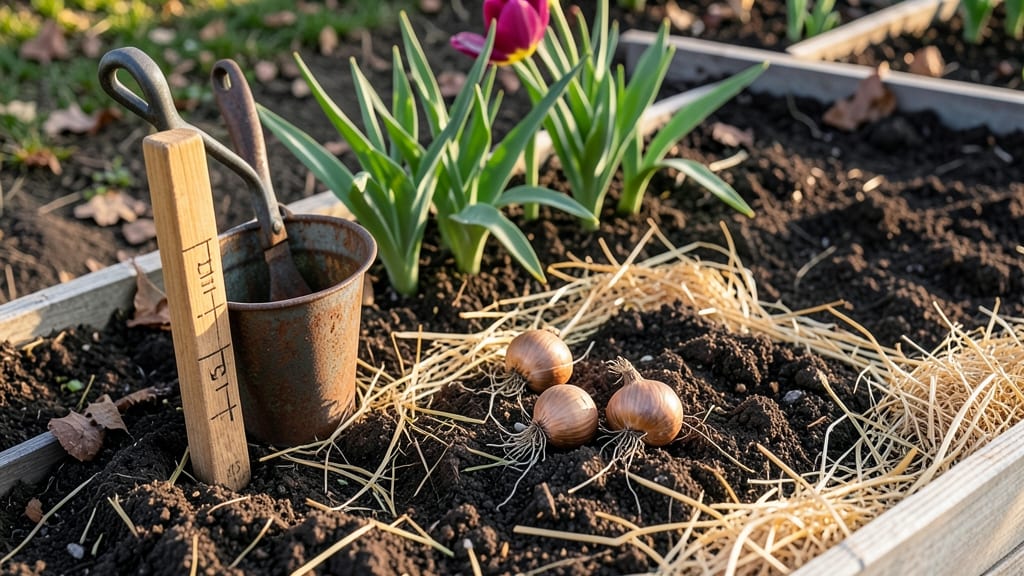
Planting your 🌷 tulip bulbs in North Carolina at the wrong time could mean the difference between a breathtaking spring garden and a total flop—especially with the state’s unpredictable winters.
The key isn’t just when you plant, but how you sync it with your specific heat zone (7a or 8a), soil conditions, and even local microclimates.
Most gardeners in North Carolina know fall is the time for tulips, but the exact window matters more than you think. Too early, and your bulbs might rot; too late, and they won’t establish roots before winter sets in.
I’ll break down the ideal planting months for each zone, plus how to prep your soil and bulbs for success—so you can look forward to those vibrant blooms next April.
What you might not realize is that North Carolina’s Piedmont and Coastal regions behave differently when it comes to frost and soil freeze. For example, Zone 8a gardeners can plant up to two weeks later than those in Zone 7a without risking failure.
I’ll show you exactly how to adjust your timing based on where you live in the state.
Ready to avoid common mistakes like overwatering, planting too shallow, or ignoring vole protection? Let’s dive into the step-by-step guide that’ll have your tulips thriving—no guesswork required.
North Carolina tulip planting calendar by heat Zone (7a vs 8a)
North Carolina’s two distinct heat zones (7a and 8a) create different planting windows for tulips. In Zone 7a (western NC), the growing season is shorter, while Zone 8a (eastern NC) allows for a later planting window.
The key is planting 6-8 weeks before the ground freezes—typically mid-October to November—but timing shifts based on your microclimate.
For both zones, soil temperature is your best guide. Tulip bulbs need soil temps between 40-50°F to start rooting. In Zone 7a, this usually happens by mid-October, while Zone 8a can wait until late October or early November.
Planting too early risks rot, while waiting too long means bulbs won’t establish roots before winter.
Why the difference? Zone 8a’s milder winters delay frost, giving bulbs more time to root. However, if your winter arrives early (like in 2021’s surprise freeze), adjust by planting 4-6 weeks earlier. Always check your local last frost date—NC’s varies wildly from November 1 in the mountains to December 1 near the coast.
🌷
Let’s break down the month-by-month schedule for each zone. In Zone 7a, you’ll want bulbs in the ground by October 15 to avoid frost damage. Start by prepping your soil in September—amend with compost and ensure well-draining soil to prevent rot.
Zone 8a gardeners can wait until late October, but don’t push past November 15.
For both zones, early October is the time to purchase bulbs and store them in a cool, dry place (like a garage) until planting. If you’re in Zone 7a and your winter arrives early (like in 2021), shift your planting to September.
Use a soil thermometer to confirm temps are below 60°F—this signals it’s safe to plant.
In November, Zone 8a gardeners can still plant, but focus on cooler microclimates like north-facing beds. Add a 2-3 inch layer of mulch after planting to insulate bulbs.
If you miss the window, store bulbs in the fridge until spring and pot them indoors for forced blooms—though this won’t yield outdoor flowers.
Pro tip: Zone 8a’s later window lets you plant tender varieties like Darwin Hybrid tulips, which thrive in warmer climates. In Zone 7a, stick to hardy varieties like Fosteriana or Greigii tulips, which handle colder winters better.
Always space bulbs 4-6 inches apart and plant them 6-8 inches deep for optimal growth.
🌿
If you’re unsure about your zone, check the USDA Plant Hardiness Zone Map and adjust by 1-2 weeks based on your local weather patterns.
For example, Asheville (Zone 7a) might need bulbs in by October 1 in a cold snap year, while Wilmington (Zone 8a) could wait until early December. Always prioritize root establishment over pushing the deadline—your tulips will
How to prepare tulip bulbs for North Carolina’s climate before planting
Preparing tulip bulbs for North Carolina’s variable climate starts long before you dig the first hole. The right soil conditions and hardy bulb varieties can mean the difference between blooms and disappointment.
In NC’s Zone 7a and 8a, where winters fluctuate wildly, proper prep is non-negotiable—especially when dealing with voracious voles and squirrels that see bulbs as snacks.
First, focus on soil preparation. Tulips thrive in well-draining soil with a pH between 6.0 and 7.0. North Carolina’s clay-heavy soils often need amendment with compost or sand to prevent waterlogging, which can rot bulbs before they even sprout.
Test your soil’s pH using a simple kit from your local garden center—this step alone can save your bulbs from nutrient deficiencies.
⚠️ STYLED LIST: PRE-PLANTING CHECKLIST FOR NC TULIPS ⚠️
- 🌱 Soil Prep: Amend clay soil with compost + sand (50/50 mix) for drainage.
- 🌡️ pH Test: Aim for 6.0–7.0; adjust with lime (to raise) or sulfur (to lower).
- 🌷 Bulb Selection: Choose Darwin Hybrid or Fosteriana varieties—they’re vole-resistant and hardy in NC winters.
- 🐭 Pest Protection: Use wire mesh cages (1/4" hardware cloth) or plant near daffodils (squirrels hate their taste!).
- 📅 Timing Tip: Store unplanted bulbs in a cool (40–50°F), dark place (like a garage) until soil temps drop below 60°F.
- 🪴 Tools Needed: Trowel, measuring tape, bulb planter, and mulch (straw or pine needles).
Selecting the right bulb varieties is just as critical.
North Carolina’s mild winters in Zone 8a and harsher freezes in Zone 7a demand bulbs that won’t rot or heave out of the ground. Darwin Hybrid tulips (like ‘Apeldoorn’) and Fosteriana (fringed tulips) are top picks—they’re vole-resistant and reliable bloomers even after years in the ground.
Avoid fragile species tulips; they’re more likely to succumb to NC’s unpredictable freeze-thaw cycles.
If you’re planting late—say, in December instead of October—store your bulbs in a cool, dark place (like a garage or unheated basement) until the ground temperature drops below 60°F. This mimics their natural dormancy period.
Pro tip: Pre-chill bulbs for 4–6 weeks in the fridge to jumpstart root growth once planted. Just don’t let them freeze solid—that’s a one-way ticket to bulb death.
North Carolina gardens face a major threat: voles and squirrels that dig up bulbs like they’re buried treasure. Protect your investment with 1/4" hardware cloth cages around each bulb or plant tulips near daffodils (their toxic bulbs deter pests).
Another trick? Mulch heavily with pine needles or straw after planting to confuse rodents about where the bulbs are hidden. Trust me, this step alone can save 80% of your bulbs from becoming a snack.
Finally, gather your tools and materials before you start. You’ll need a sharp trowel for clean holes, a measuring tape to ensure 6–8 inches depth, and a bulb planter (or a long screwdriver in a pinch) for precise spacing.
Don’t forget mulch—it insulates bulbs from freeze-thaw shocks and keeps them moist during NC’s dry winter winds. With these steps, your tulips will bloom like clockwork next spring, turning your garden into a vibrant showcase.