
Planting
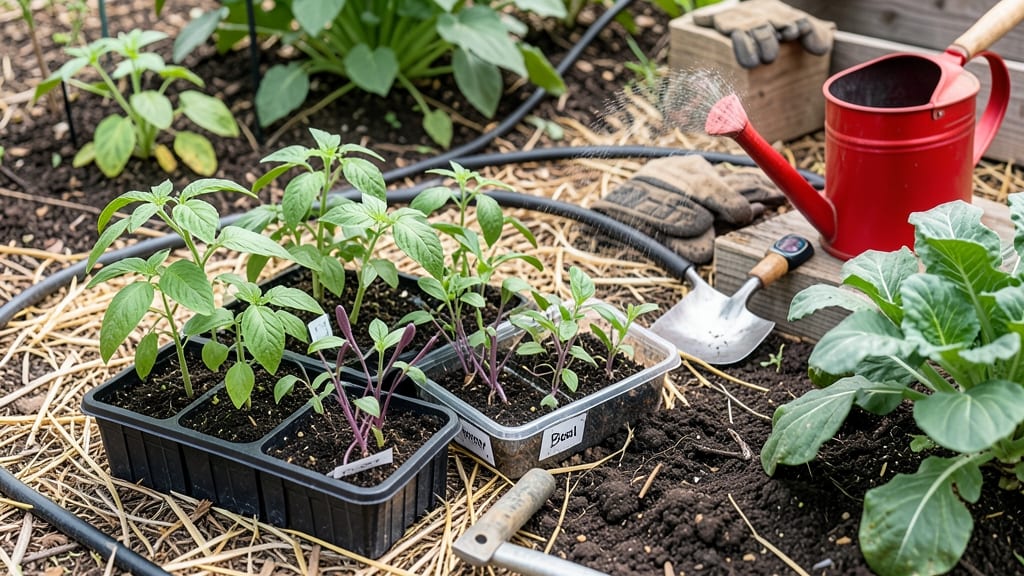
Timing when to plant a garden in Central Texas feels like playing a high-stakes game of chance—one wrong move, and frost or scorching heat can turn your dreams into dust.
With Zone 8B’s unpredictable swings from 30°F winters to 100°F summers, knowing exactly when to plant isn’t just helpful—it’s essential for survival.
Most gardeners here make the same mistakes: rushing cool-season crops before the last frost (usually around March 15) or waiting too long to plant heat-lovers like tomatoes and peppers. The result? Wasted seeds, frustrated plans, and a garden that barely makes it past May before wilting under the sun.
But here’s the good news: with the right schedule, you can stretch your growing season from late February all the way to September, harvesting fresh veggies twice a year.
I’ll break down the exact windows for every type of plant—plus, how to adjust for your specific microclimate—so you can finally stop guessing and start growing with confidence.
Ready to turn your Central Texas garden into a year-round success? Let’s get started with the one rule that’ll save you from every common planting mistake.
Central Texas planting calendar by season: exact dates for vegetables, flowers, and herbs
Central Texas’s Heat Zone 8B means we can grow year-round, but timing is everything. The average last frost date is March 15, while the first frost typically arrives November 15.
Cool-season crops thrive from October to March, while warm-season plants like tomatoes and peppers need to wait until after April 15 to avoid heat stress. Let’s break down the exact windows for your garden’s best performance.
In Central Texas, the fall planting season kicks off in late August for heat-tolerant crops like sweet potatoes and collards.
By September, you can safely plant broccoli, cabbage, and kale. Winter crops like spinach and peas go in November, while spring planting begins in February for onions and lettuce. Warm-season staples like tomatoes and peppers must wait until after April 15—no exceptions!
🌱 PRO TIP: Use a soil thermometer to confirm 60°F+ soil temps before planting warm-season crops. Cold soil slows germination and invites disease.
| Season | Planting Window | Key Crops | Critical Notes |
|---|---|---|---|
| Cool Season (Fall) | Late August – Early October | Sweet potatoes, collards, kale, broccoli | Plant seeds 6-8 weeks before first frost. |
| Cool Season (Winter) | November – Early February | Spinach, peas, carrots, lettuce, onions | Use row covers for frost protection. |
| Cool Season (Spring) | February – Mid-March | Onions, lettuce, radishes, cabbage | Avoid planting after March 15—heat stress risks. |
| Warm Season (Early) | Mid-March – April 15 | Peas, beans, potatoes, corn | Wait until soil is 60°F+. |
| Warm Season (Main) | After April 15 – June 1 | Tomatoes, peppers, eggplant, okra | Never plant before April 15—heat kills seedlings. |
| Year-Round Herbs | Any time (except frost) | Basil, cilantro, parsley, thyme | Basil dies in frost; cilantro bolts in heat. |
For warm-season vegetables, the April 15 cutoff is non-negotiable. Tomatoes, peppers, and eggplants planted before this date often wilts from heat stress or fail to germinate.
Instead, start these indoors in February and transplant after April 15. Corn and beans are exceptions—they tolerate early spring planting if soil is warm enough.
Herbs like basil and cilantro have opposite needs: Basil thrives in summer heat but dies in frost, while cilantro bolts in 90°F+ temps. Plant basil in May and cilantro in fall for best results. Thyme and rosemary, however, handle year-round in Central Texas with minimal care.
Don’t forget succession planting! For leafy greens like lettuce and spinach, sow new seeds every 2-3 weeks from September to March to ensure a continuous harvest. This works for radishes too—they mature in just 30 days, making them perfect for quick turnarounds.
🌿 WARNING: Avoid planting melons or squash before May 1. These heat-lovers need consistent 80°F+ soil temps to thrive. Early planting often leads to blossom-end rot or stunted growth.
Use this schedule as your garden’s roadmap, but always check your local frost dates—they can shift ±10 days yearly. For urban gardeners, microclimates (like paved areas trapping heat) may let you plant 1-2 weeks earlier for warm-season crops. Happy planting!
How to adjust planting times for Central Texas’s microclimates and soil conditions
Central Texas’s USDA Zone 8B might seem straightforward, but microclimates and soil variations can shift your frost dates by weeks. What works for your neighbor in Hill Country might fail in Austin’s urban heat island—or vice versa.
Even within your own backyard, clay-heavy soil retains cold longer than sandy loam, delaying spring planting by 2–3 weeks.
Don’t rely solely on the average last frost date (March 15) for Central Texas. Instead, combine USDA Zone data with your local weather patterns and soil type. For example, elevated areas like Dripping Springs often experience frost 10–14 days later than lower elevations in San Marcos.
Meanwhile, urban heat islands in Downtown Austin can push spring planting back by 7–10 days due to delayed soil warming.
⚠️ WARNING: Microclimates Can Ruin Your Planting Schedule!
Soil type and elevation drastically alter your frost dates. Clay soil stays cold longer, while urban areas warm up faster. Always adjust planting times by:
- 1–2 weeks earlier for sandy loam or south-facing beds
- 1–2 weeks later for clay soil or north-facing slopes
- 3–5 days later in urban heat islands (soil warms faster)
Start by testing your soil temperature with a soil thermometer. Most warm-season crops like tomatoes and peppers need soil at 60°F+ before planting. In clay-heavy soil, this can mean waiting until mid-April instead of early March.
For cool-season crops like kale or broccoli, plant 6–8 weeks before your first frost—but adjust for microclimates where frost arrives earlier.
Amend your soil to improve drainage and warmth. Mix in compost or aged manure to break up clay and add organic matter. For sandy soil, blend in peat moss or coco coir to retain moisture.
These changes can shift your planting window by 1–2 weeks by improving soil warmth and fertility.
Use mulch to extend your season. A 2–3 inch layer of straw or wood chips keeps soil warm in spring and cool in summer. For early spring plantings, use black plastic mulch to raise soil temps by 5–10°F.
In fall, switch to straw mulch to insulate roots from early frosts. These simple tweaks can add 4–6 weeks to your growing season.
Monitor local weather forecasts and historical data from sources like the National Weather Service or Texas A&M AgriLife. Note when your area typically hits 50°F soil temps in spring and 60°F in fall.
Over time, you’ll spot patterns—like Hill Country frost risks lingering until April 1 or Austin’s urban heat pushing planting back until mid-April. Adjust your schedule yearly based on these observations.
Finally, consider container gardening for heat-sensitive plants. Pots warm up faster in urban heat islands but can also be moved to shadier spots during peak summer. For clay soil gardens, raised beds with well-draining mixes help plants establish earlier.
By combining soil amendments, mulching, and microclimate awareness, you’ll fine-tune your planting times for Central Texas success—no matter where you garden. 🌱