
Flowers
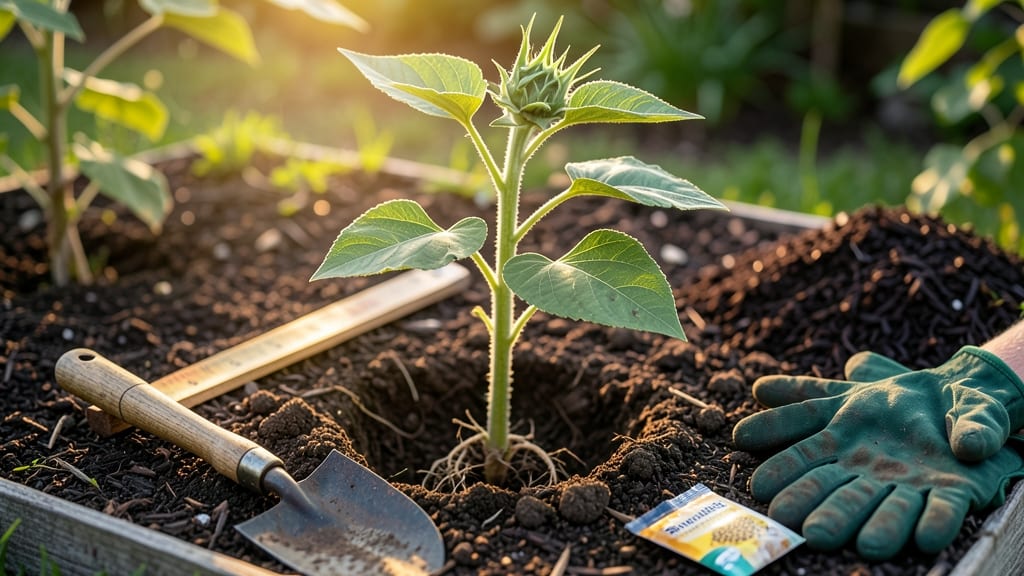
Planting sunflowers in Texas isn’t just about sticking seeds in the ground—it’s about timing them perfectly to beat the heat and frost. If you want those towering 🌻 blooms to thrive from North Texas to the Gulf Coast, knowing the right window makes all the difference.
Texas gardeners have a short but critical planting season, especially in zones 8a-11, where late frosts can still sneak in. Whether you're in Dallas or Houston, planting too early risks frost damage, while waiting too long means your sunflowers might bolt before they bloom.
The key is starting seeds indoors or sowing directly when soil temperatures hit 50°F—and that varies by region.
In this guide, I’ll break down the exact months to plant sunflowers in Texas, from North Texas’ cooler springs to South Texas’ longer growing seasons. You’ll also learn how to prep your soil, choose the right varieties, and avoid common mistakes that kill sunflowers before they reach their full potential.
Ready to grow sunflowers that stand tall and proud all summer? Let’s get started with the timeline that works for your part of Texas.
Texas heat Zone planting timeline for sunflowers: best months by region
Texas’ diverse climate zones mean sunflowers can thrive year-round—but timing varies dramatically from North Texas’ chilly winters to South Texas’ scorching summers. In Zone 8a (North), like Dallas, wait until mid-March after frost risk passes.
Meanwhile, Zone 10a (South), like Houston, allows January planting for fall blooms. The key? Plant when soil temps hit 50°F and frost-free days stretch ahead.
Sunflowers love Texas heat, but seedlings hate it. Direct sow after last frost—never start indoors unless you’re in Zone 8a or colder. Clay-heavy Texas soil drains poorly, so amend with compost to prevent root rot.
In Central Texas (Austin/San Antonio), aim for late February to early April for summer blooms. South Texas gardeners can push December-January for fall displays.
Here’s how to align your planting with Texas’ 11 USDA zones, accounting for frost dates, soil warmth, and summer heat tolerance:
| Texas Region | USDA Zones | Last Frost Date | Optimal Planting Window | Soil Temp Requirement | Notes |
|---|---|---|---|---|---|
| North Texas (Dallas/Fort Worth) | 8a-8b | Feb 15 - Mar 15 | Late March - Early April | 50°F+ (10°C+) | Use shade cloth for seedlings; mulch to retain moisture. |
| Central Texas (Austin/San Antonio) | 8b-9a | Feb 1 - Mar 1 | Late February - Early May | 55°F+ (13°C+) | Plant dwarf varieties for containers; succession plant for continuous blooms. |
| South Texas (Houston/Corpus Christi) | 9a-10a | Jan 15 - Feb 15 | December - January (fall) OR April - May (spring) | 60°F+ (16°C+) | Prioritize heat-tolerant varieties like 'Autumn Beauty'; water deeply in summer. |
| West Texas (El Paso/Midland) | 7b-8a | Mar 1 - Mar 15 | Mid-April - Early May | 55°F+ (13°C+) | Use drip irrigation to conserve water; plant near windbreaks. |
In North Texas, where Zone 8a’s last frost lingers until mid-March, rush to plant by early April to avoid 100°F summers that stress seedlings. Russian Giant varieties need 120 days to mature—so plant by mid-April at the latest. Mulch heavily to lock in moisture, as clay soil dries out fast under Dallas sun.
Central Texas’ longer growing season (Zones 8b-9a) lets you stretch planting from February to May. Austin’s hotter summers favor early-season varieties like ‘Teddy Bear’ (50 days to bloom). For fall sunflowers, sow in August—they’ll bloom before first frost in November. Amend soil with compost to improve drainage in heavy Texas clay.
South Texas gardeners have the luxury of two planting windows: December-January for fall blooms or April-May for summer displays. Houston’s humidity demands well-draining soil and spacious spacing (3-4 feet apart) to prevent powdery mildew. Heat-tolerant varieties like ‘Moulin Rouge’ shine here, with deep yellow petals that reflect sunlight.
For West Texas’ arid climate (Zones
Sunflower variety selection for Texas climates: dwarf vs. Giant vs. heat-tolerant types
Texas’ brutal summers demand sunflower varieties that can handle 100°F+ temperatures and low humidity swings. The wrong choice means wilting stalks or premature bolting, but the right variety thrives with bold, long-lasting blooms.
Whether you want 3-foot pollinator magnets or 12-foot shade providers, Texas gardeners have options—if you know which to pick.
Dwarf varieties like ‘Teddy Bear’ (1-3 ft) are perfect for containers and small spaces, while ‘Russian Giant’ (10-18 ft) dominates landscapes with heat-resistant stalks. Then there are drought-tolerant types like ‘Moulin Rouge’, which store water efficiently in their thick stems.
Each type also has unique planting strategies—some need early indoor starts, others bolt faster in Texas heat.
🌱 Planting method matters: Giant varieties often need 6-8 weeks of seed-starting to beat Texas’ short spring window, while dwarf types can sprout directly in soil as late as May. Below, we break down the best varieties for Texas, their ideal planting times, and care tweaks for extreme heat.
| Variety | Height (ft) | Best Planting Time | Heat Tolerance | Drought Tolerant? | Best For |
|---|---|---|---|---|---|
| ‘Teddy Bear’ | 1-3 | Direct sow March-May | Moderate | Yes | Containers, pollinators |
| ‘Russian Giant’ | 10-18 | Start indoors Feb; transplant March | High | No | Shade, cut flowers |
| ‘Moulin Rouge’ | 5-7 | Direct sow Feb-April | Very High | Yes | Drought areas |
| ‘Autumn Beauty’ | 4-6 | Direct sow March-May | Moderate | Yes | Long bloom season |
| ‘ProCut’ | 6-8 | Start indoors Jan; transplant Feb | High | No | Cut flower farms |
For dwarf varieties like ‘Teddy Bear’, direct sowing in March works best—these bolt quickly in Texas heat, so no need for seed-starting. Plant 1 inch deep in well-draining soil, and watch for yellow petals in 60-70 days.
These are ideal for urban gardens where space is limited but pollinators are welcome.
Giant types like ‘Russian Giant’ require indoor starts 6-8 weeks before last frost—typically early February in North Texas. Use grow lights if natural light is limited, and harden off seedlings for 10 days before transplanting.
These need staking in summer winds and consistent watering to reach their 12-foot potential.
Heat-tolerant picks like ‘Moulin Rouge’ shine in South Texas’ 100°F+ summers. Their thick stems store water, reducing midday wilting. Plant February-March for summer blooms, and mulch heavily to lock in moisture. These drought-proof varieties also resist bolting, making them low-maintenance giants.
Pro tip: Adjust planting dates by region. North Texas gardeners can start giants in February, while South Texas should plant dwarfs in March to avoid early summer heat stress. Always test soil moisture—Texas clay holds water poorly, so