
Flowers
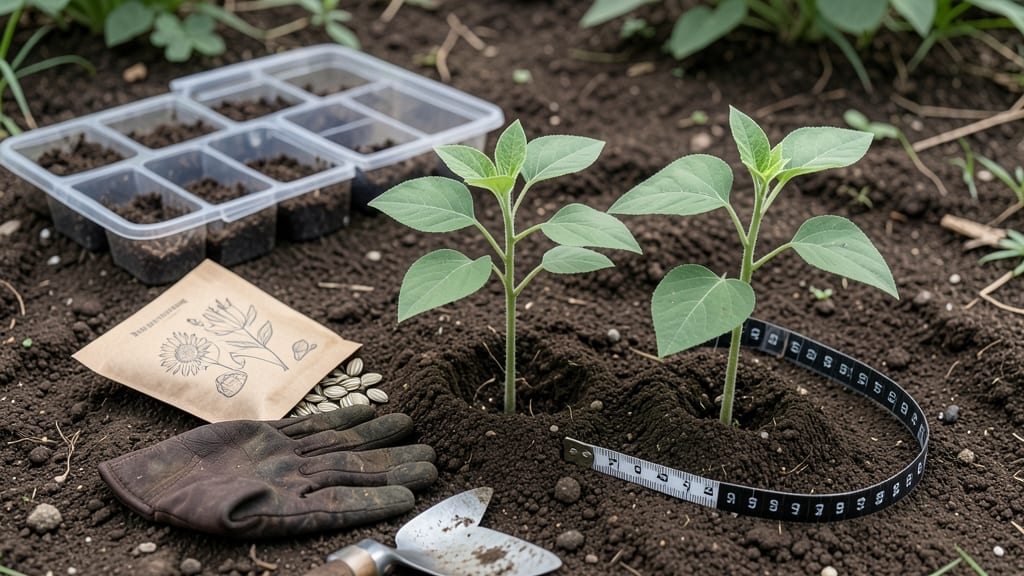
Planting sunflowers in Ohio can feel like a high-stakes game of chance—one wrong move, and you might miss the perfect bloom window entirely. But with the right timing, you’ll watch those towering 🌻 stalks reach for the sky, turning your garden into a pollinator paradise by late summer.
The key to success lies in Ohio’s USDA Zone 6a frost dates, which dictate when to drop seeds into the soil. Most gardeners wait until mid-April to early June, but even then, late frosts can sneak in.
I’ll break down the exact frost-free timeline and how to adjust for your specific microclimate—whether you’re in Columbus, Cincinnati, or rural Appalachia.
You’ll also discover whether to go for direct sowing or starter plants, which sunflower varieties thrive in Ohio’s shorter growing season, and how to stretch your planting window for second crops. No more guessing—just confident, science-backed timing that guarantees those iconic golden blooms.
Ready to grow sunflowers that rival the 14-foot giants in field trials? Let’s dive into the step-by-step planting schedule that’ll have your garden buzzing with bees by August—and keep those sunflowers standing tall until the first frost.
Ohio sunflower planting timeline by hardiness Zone (5a-6b)
Ohio’s USDA Zones 5a-6b offer a short but sweet growing window for sunflowers—just 165 frost-free days on average. To maximize your plants’ towering potential, timing is everything. I’ve broken down the exact planting windows for both direct sowing and transplanting, including soil temperature thresholds and variety-specific advice.
Most Ohio gardeners wait until after the average last frost date (around April 15 in Zone 5a and April 1 in Zone 6b), but I’ve included early-spring strategies for cold-hardy varieties and late-summer options for succession planting.
Whether you’re growing giant Mammoth sunflowers or compact Teddy Bear varieties, this timeline ensures your seeds sprout when the soil is warm enough.
| Zone & Location | Last Frost Date | Ideal Planting Window | Soil Temp Threshold | Variety Notes |
|---|---|---|---|---|
| Zone 5a (Northeast OH) | April 15 | May 1–15 (direct sow) / May 1–30 (transplant) | 55°F+ (13°C+) | Dwarf varieties (e.g., Teddy Bear) thrive in shorter seasons |
| Zone 5b (Central OH) | April 5 | April 20–May 10 (direct sow) / April 20–May 20 (transplant) | 50°F+ (10°C+) | Standard varieties (e.g., Mammoth) need full window |
| Zone 6a (Southwest OH) | March 25 | March 30–April 15 (direct sow) / April 1–May 1 (transplant) | 45°F+ (7°C+) | Early varieties (e.g., ProCut) for cut flowers |
| Late Summer Succession | October 15 (first frost) | July 15–August 15 (direct sow only) | 60°F+ (16°C+) | Fast-maturing dwarf varieties (e.g., Sunspot) |
For direct sowing, aim to plant when soil temperatures consistently stay above 55°F (13°C). Use a soil thermometer to check—sunflowers won’t germinate in cold soil.
In Zone 5a, this often means waiting until May 1, while Zone 6b gardeners can start as early as late March for early varieties.
If you prefer transplanting starter plants, wait until all danger of frost has passed and soil is warm and workable. I recommend hardening off seedlings for 7–10 days before transplanting—this helps them adjust to Ohio’s unpredictable spring weather.
For giant sunflowers, transplanting too early can stunt growth, so May 1–30 is ideal in most of Ohio.
Ohio’s clay-heavy soil can delay warming, so I suggest using black plastic mulch to raise soil temperatures faster. This trick works especially well for early spring plantings in Zone 5a, where slow soil warming is common.
Just lay down the mulch 2–3 weeks before planting to create a warmer microclimate.
Don’t overlook late summer succession planting—it’s a great way to extend your sunflower season. In Zone 6b, you can direct-sow fast-maturing dwarf varieties like Sunspot as late as mid-August. These will bloom before the first frost, adding color and pollinator support when many gardens are winding down.
Pro tip: Mark your calendar for July 4th weekend—it’s a reliable benchmark for Zone 5b–6b gardeners to start late plantings. By this time, soil temperatures are guaranteed to be warm enough for germination, even in Ohio’s cooler regions.
For container growing, adjust your timeline slightly—containers warm up faster than garden beds. You can start seeds in pots 2–3 weeks earlier than the ground planting window, then transplant when soil is ready. Just ensure containers have drainage holes to prevent root rot in Ohio’s humid summers.
Best sunflower varieties for Ohio’s short vs. long growing seasons
Ohio’s variable growing seasons demand sunflower varieties that thrive in both short summer windows and extended heat. Fast-maturing types like Teddy Bear (50–60 days) are perfect for northern Ohio’s Zone 5a, while heat-tolerant Mammoth varieties (90–120 days) shine in southern Ohio’s Zone 6b.
Choosing the right type ensures blooms before the first frost—typically mid-October—while maximizing pollinator support.
For early planting (April–May), prioritize dwarf or semi-dwarf varieties like ProCut or Autumn Beauty. These mature in 60–80 days, giving them time to establish roots before summer’s peak heat.
In contrast, late-summer plantings (June) should focus on fast-growing types like Sunspot (55–60 days) to avoid frost damage before seeds mature.
My top 5 sunflower varieties for Ohio gardens balance days-to-maturity, heat tolerance, and pollinator appeal. Start with Sunspot (55–60 days) for early summer blooms or Teddy Bear (60 days) for child-friendly, compact options.
For cut flowers, ProCut ‘Evening Sun’ (65 days) delivers long stems and disease resistance, while Mammoth ‘Russian Giant’ (100–120 days) rewards patient gardeners with 12-foot giants—ideal for late-summer displays.
For northern Ohio (Zone 5a), Autumn Beauty (55–60 days) is a standout due to its cold tolerance and vibrant bicolor blooms. Plant these after last frost (mid-April) to ensure they mature before first frost (mid-October).
In southern Ohio (Zone 6b), Mammoth types thrive when sown late May, giving them 120+ frost-free days to reach maturity.
Pro tip: Pair fast-maturing varieties like Sunspot with slow growers like Russian Giant for succession planting. Sow Sunspot in April and Mammoth in June to enjoy blooms from July through October. This strategy also supports continuous pollinator activity—a win for Ohio’s ecosystems.
Always check seed packet instructions for specific spacing and depth, but remember: Ohio’s clay-heavy soil benefits from amended beds (mix in compost) to prevent waterlogging. Mulch around stems to retain moisture during drought-prone summer months, especially for tall varieties prone to <