
Planting
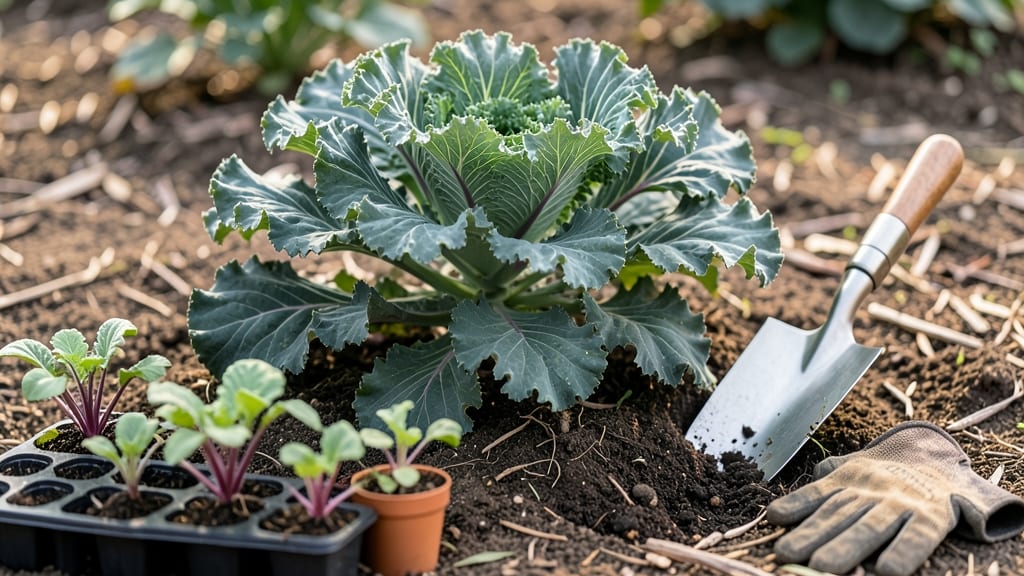
Critical planting dates for central Texas fall gardens by heat zone 8B
Central Texas gardeners in Heat Zone 8B face a tight window for fall planting—typically just 6-8 weeks before the average first frost on November 15. Missing these dates means stunted growth or crops lost to cold.
The key is understanding which plants thrive in late summer heat and which need cooler temperatures to mature.
Warm-season crops like tomatoes and peppers can still be planted as transplants until early September, but they’ll need protection as temperatures drop. Cool-season crops, such as kale and broccoli, should go into the ground by mid-September to avoid bolting.
Succession planting is your secret weapon—replace harvested crops with new seeds every 2-3 weeks for continuous yields.
Here’s your Central Texas Fall Planting Timeline broken down by crop type, heat tolerance, and frost risk. Use this as your guide to avoid common mistakes like overcrowding or planting too late.
| Crop Type | Best Planting Window | Heat Tolerance | Frost Sensitivity | Succession Notes |
|---|---|---|---|---|
| Warm-Season (Transplants) | Mid-August–Early September | High (90°F+) | Moderate (needs row covers) | Plant every 3 weeks until Sept 15 |
| Tomatoes | August 1–September 10 | High (up to 95°F) | High (damaged at 32°F) | Use cold frames after Sept 15 |
| Peppers | August 15–September 5 | Very High (90°F+) | Moderate (tolerates light frost) | Harvest before first frost |
| Cool-Season (Seeds/Transplants) | Mid-September–Mid-October | Low (60°F–75°F ideal) | Low (thrives in cool temps) | Plant every 2 weeks for harvests |
| Kale | September 1–October 15 | Moderate (tolerates heat) | Very Low (sweeter after frost) | Succession plant until Oct 1 |
| Broccoli | September 15–October 1 | Low (bolts in heat) | Moderate (needs protection) | Use shade cloth in late Sept |
| Green Beans | September 1–October 10 | Moderate (60°F–80°F) | Moderate (stop producing at 50°F) | Plant in rows for easy harvest |
| Carrots | September 10–October 5 | Low (best in cool soil) | Low (harvest before frost) | Thin seedlings to 2" apart |
Critical planting dates for central Texas fall gardens by heat zone 8B
Central Texas gardeners in Heat Zone 8B face a tight window for fall planting—typically from mid-August through mid-October. Missing these dates risks frost damage or stunted growth, but timing correctly ensures a bountiful harvest before the first frost around November 15.
Understanding the difference between transplants and seeds is key: transplants need earlier starts, while seeds can handle late-summer heat.
For warm-season crops like tomatoes and peppers, aim to plant transplants by August 15 to give them 60-75 days of growth before frost. Cool-season crops such as kale and collards, however, thrive when sown late August through mid-September, allowing them to mature before cold snaps.
Succession planting—sowing seeds every 2-3 weeks—maximizes yield and extends harvests.
| Crop Type | Transplant Window | Seed Window | Days to Maturity | Frost Tolerance |
|---|---|---|---|---|
| Tomatoes | Aug 1-15 | N/A | 60-75 days | Sensitive |
| Kale | Aug 15-Sept 15 | Late Aug-Oct 1 | 45-60 days | High |
| Green Beans | Sept 1-Oct 15 | Sept 1-Oct 15 | 50-60 days | Moderate |
| Collards | Aug 15-Sept 30 | Late Aug-Nov 1 | 50-70 days | Very High |
Heat tolerance varies by crop: tomatoes and peppers struggle in temperatures above 90°F, while kale and collards thrive in cooler fall air. Start seeds indoors or use shade cloth to protect young plants from late-summer heat spikes.
Always check your local frost date averages—Austin’s first frost can arrive as early as October 31 or as late as December 15, depending on the year.
Succession planting is a game-changer for fall gardens. For example, sow radishes every 2 weeks from September through October to enjoy a continuous harvest. Similarly, lettuce and spinach benefit from staggered plantings to prevent bolting (premature flowering) caused by heat stress.
Plan your garden layout to prioritize fast-maturing crops in late plantings and slower growers in early slots.
Soil temperature matters just as much as air temperature. Aim for 60-70°F soil for cool-season crops—test with a soil thermometer before planting. If your soil is too hot, wait a week or two for it to cool naturally.
Amend beds with compost to improve drainage and fertility, which helps plants recover faster from heat stress and establishes strong roots before frost.
Don’t overlook microclimates in your garden. South-facing beds warm up faster and stay warmer longer, making them ideal for early fall plantings. North-facing areas or shaded spots may need heat-loving crops like sweet potatoes or okra planted earlier.
Use these microclimates strategically to extend your growing season and protect delicate crops.
Finally, keep a planting journal to track what works in your specific Heat Zone 8B garden. Note which varieties thrive, when you planted them, and how they handled late-season heat or early frosts. This record becomes invaluable for refining your fall garden strategy year after year.