
Flowers
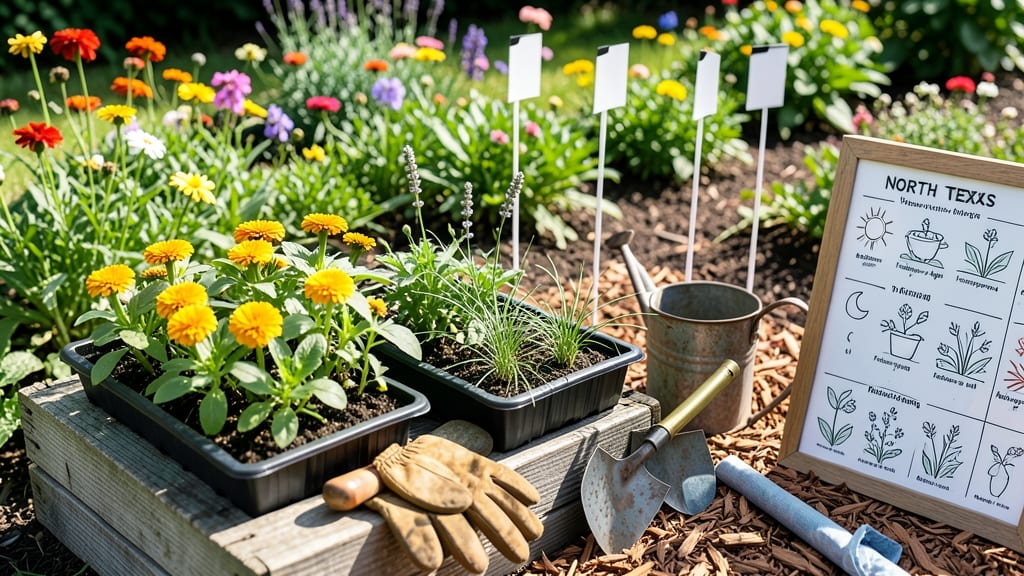
When to plant flowers in North Texas means the difference between a garden bursting with color and one that wilts before it even starts. Timing those delicate blooms just right in the Lone Star State ensures your flowers thrive—whether you're battling early frosts or sweltering summer heat. Plant too early, and frost will nip those tender petals; too late, and scorching temperatures will leave your plants struggling to survive. But here’s the good news: with the right seasonal strategy, you can extend your blooming season and enjoy vibrant flowers from spring through fall.
North Texas’s USDA Zone 8a climate offers two prime planting windows—fall (September-November) and spring (February-March)
Knowing these nuances helps you pick the perfect moment to plant everything from heat-loving zinnias to cold-hardy pansies. This guide breaks down exactly when to plant your flowers based on your location, whether you’re in a city heat island or a cooler rural zone. We’ll cover annuals, perennials, and bulbs, plus adjustments for raised beds and drought-resistant varieties that thrive in North Texas’s unpredictable weather. Ready to turn your garden into a year-round showstopper? Let’s dive into the optimal planting months for your region, so you can skip the guesswork and start growing with confidence. Your future blooms will thank you!
North Texas flower planting calendar by microclimate zones
North Texas spans USDA zones 7b-8a, but microclimates create dramatic differences in frost risk and heat intensity. Dallas and Fort Worth experience urban heat islands that delay spring planting by 1-2 weeks, while Amarillo and Wichita Falls face earlier frosts.
Understanding these zones helps you pick the perfect planting window for annuals like zinnias or perennials like black-eyed Susans.
For most of North Texas, the last average frost date falls between February 15 (Dallas) and March 1 (Amarillo). Meanwhile, the first frost arrives as early as November 15 in the Panhandle but can linger until December 15 in Dallas.
These dates determine whether you should plant heat-loving lantana in spring or cold-hardy pansies in fall.
Below is a microclimate-specific planting guide for North Texas regions, including ideal months for annuals, perennials, and bulbs. I’ve highlighted heat-tolerant varieties like zinnias and salvias that thrive in our intense summers, along with frost-resistant options for fall gardens.
| Region | Last Frost | First Frost | Spring Planting Window | Fall Planting Window | Heat-Tolerant Picks | Cold-Hardy Picks |
|---|---|---|---|---|---|---|
| Dallas/Fort Worth | Feb 15 | Dec 15 | Mar 1 - Apr 15 | Sep 1 - Oct 15 | Lantana, Zinnias, Salvias | Pansies, Snapdragons, Ornamental Kale |
| Wichita Falls | Mar 1 | Nov 15 | Mar 15 - Apr 1 | Aug 20 - Sep 30 | Marigolds, Blanket Flower | Sweet Alyssum, Stock |
| Amarillo | Mar 10 | Nov 1 | Apr 1 - Apr 15 | Aug 1 - Sep 15 | Portulaca, Verbena | Calendula, Bachelor's Button |
In Dallas/Fort Worth, the extended growing season lets you plant heat-loving annuals like zinnias as early as March 1 and enjoy blooms until first frost. For fall gardens, start cold-hardy pansies by September 1 to ensure vibrant blooms through December.
In contrast, Amarillo’s shorter season means you’ll need to rush spring plantings to April 15 and focus on fast-growing annuals like portulaca.
For perennials, timing matters less, but establishing them in early spring (March-April) gives roots time to anchor before summer heat. Bulbs like daffodils should go in October-November for spring blooms, while fall-planted bulbs like tulips need 6-8 weeks of cool weather to root before winter.
If you’re growing in containers or raised beds, you can push planting dates 1-2 weeks earlier thanks to warmer soil. Just ensure your containers have drainage holes to prevent root rot during our intense summer downpours.
For drought-prone areas, prioritize native wildflowers like black-eyed Susans or Mexican hat, which thrive with minimal water once established.
Pro tip: Use mulch (2-3 inches) to retain moisture and regulate soil temperature. In summer, mulch keeps roots cool, while in winter, it protects tender perennials from freeze-thaw cycles. I recommend straw or shredded leaves for most flowers, but avoid mulching too close to stems to prevent rot.
For urban gardeners, microclimates within cities can vary wildly. A north-facing yard might frost 2 weeks later than a south-facing one. If you’re unsure about your last frost date, check local CoCoRaHS weather stations or use Almanac’s Frost/Freeze Calculator for precise data.
Finally, don’t forget succession planting! In North Texas, you can stagger plantings of fast-blooming annuals like marigolds every 2-3 weeks from spring through fall to ensure continuous color. This works especially well for cutting gardens or container displays.
With this microclimate guide, you’ll never miss a planting window again—just match your flowers to your zone and enjoy year-round blooms! 🌸
How to adjust planting times for urban vs. rural North Texas heat differences
North Texas isn’t one-size-fits-all when it comes to planting flowers. Urban areas like Dallas and Fort Worth can feel like a 10°F hotter than rural spots like the Panhandle, thanks to heat islands from pavement and buildings.
This means your petunias might wilt in downtown Dallas but thrive in a Wichita Falls garden with cooler nights. Adjusting planting times based on your microclimate is key to success.
For urban gardeners, start annual flowers like zinnias or marigolds 2-3 weeks earlier than rural areas—typically by mid-February—to beat the intense spring heat. Rural zones, however, can plant perennials like black-eyed Susans as late as late March without risking heat stress. Soil temperature is your best guide: aim for 60°F+ before planting heat-sensitive varieties.
Here’s how to adjust for your location:
- Dallas/Fort Worth: Plant heat-tolerant annuals (e.g., lantana, salvia) in early spring (Feb-March) or late fall (Sept-Oct) to avoid peak summer heat.
- Panhandle (Amarillo): Stick to cooler-season flowers (e.g., pansies, snapdragons) in fall (Sept-Nov) and early spring (March-April).
- Suburban areas: A middle ground works—plant spring bloomers in late February and fall flowers in early October for extended color.
🌡️ Urban vs. Rural Planting Adjustments
- ✅ Plant earlier (Feb-March) for annuals
- ✅ Choose heat-tolerant varieties (lantana, zinnias)
- ✅ Use shade cloth for delicate blooms
- ✅ Water deeply in morning to reduce evaporation
- ✅ Plant later (March-April) for spring blooms
- ✅ Focus on cool-season flowers (pansies, snapdragons)
- ✅ Mulch heavily to retain moisture
- ✅ Avoid overhead watering at night
Shade strategies make a huge difference in urban gardens. If your container garden sits in full sun, opt for self-watering pots or mulch heavily with straw or wood chips to keep roots cool. Reflective surfaces like light-colored mulch or gravel can also lower soil temps by up to 5°F, giving your flowers a fighting chance against 100°F+ afternoons.
For drought-resistant varieties, prioritize native Texas flowers like Mexican feather grass or autumn sage. These thrive in rural heat and urban dryness alike, requiring 30-50% less water than traditional annuals. Pair them with succulents (e.g., sedum) for a low-maintenance, high-impact garden that survives North Texas’ extremes.
Pro tip: Monitor your local weather station—not the general USDA zone—for frost dates and heat waves. Apps like PlantNet or Weather Underground provide hyper-local alerts so you can plant at the perfect moment.
Even a 1-2 week shift can mean the difference between wilting blooms and a thriving garden. 🌿