
Plants
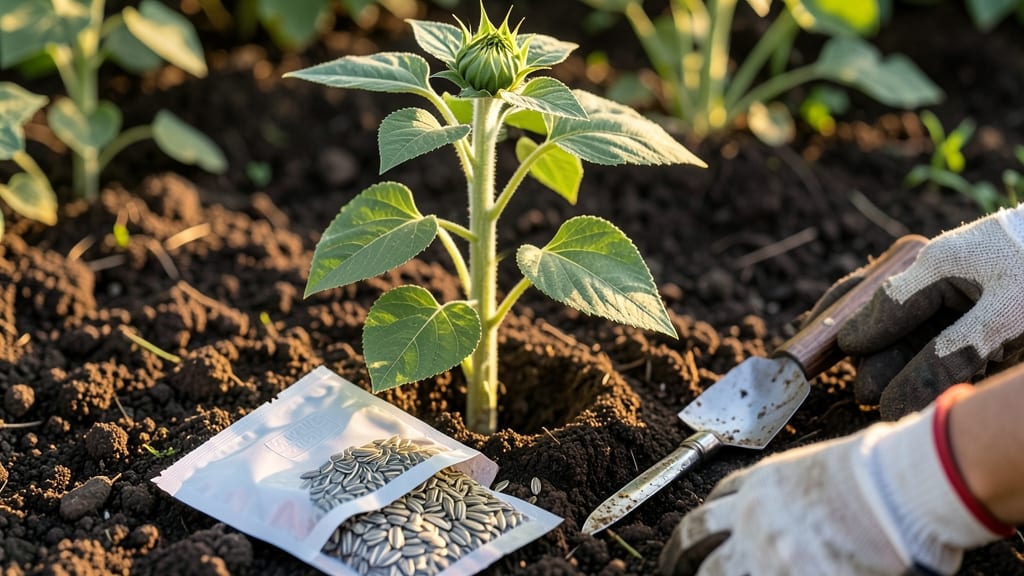
Planting sunflower seeds in Michigan at the wrong time can mean the difference between towering 🌻 stalks and sad, stunted sprouts—especially when spring’s last frost lingers unpredictably.
The key to success lies in waiting for that frost-free window, typically between late May and early June, but timing varies wildly from Detroit’s Zone 6b to the Upper Peninsula’s cooler Zone 5b.
You might be tempted to rush and sow seeds as soon as the soil looks dry, but cold soil can stall germination for weeks. Instead, aim for when daytime temperatures consistently stay above 50°F—a rule that aligns with Michigan’s average last-frost dates but leaves room for those late-season surprises.
Whether you’re growing ‘Moulin Rouge’ for early blooms or ‘Russian Giant’ for fall harvests, the right planting window ensures your sunflowers reach their full potential. I’ll walk you through the exact frost-free timeline for your zone, plus pro tips to extend your growing season and avoid common pitfalls.
Let’s dive into the perfect timing, soil prep, and variety choices that’ll have your sunflowers thriving—no matter where in Michigan you’re gardening.
Michigan sunflower planting calendar by hardiness Zone (USDA 4-6)
Michigan’s USDA zones 4-6 experience dramatic temperature swings, making sunflower planting a delicate balance. In the Upper Peninsula (Zone 4), frost can linger until mid-May, while southern Michigan (Zone 6) typically sees last frosts by early May.
To avoid seed rot or stunted growth, wait until soil temperatures hit at least 50°F—a critical threshold for germination.
For early blooms, opt for fast-maturing varieties like ‘Moulin Rouge’ (50-60 days to harvest) and plant them as soon as the ground is workable.
In contrast, tall varieties like ‘Russian Giant’ (100+ days) need a longer growing season, so delay planting until after Memorial Day in colder zones to ensure they mature before frost.
Here’s your zone-specific planting timeline, including average last-frost dates and ideal soil conditions for Michigan’s diverse regions:
| Zone | Last Frost Date | Ideal Planting Window | Soil Temp Requirement | Notes |
|---|---|---|---|---|
| USDA 4 (Upper Peninsula) | Mid-May | Late May to early June | 50°F+ (10°C+) | Use row covers for early starts; prioritize dwarf varieties. |
| USDA 5 (Northern Lower Peninsula) | Early May | Mid-May to late May | 50°F+ (10°C+) | Succession plant every 2 weeks for continuous blooms. |
| USDA 6 (Southern Lower Peninsula) | Late April | Early May to mid-May | 50°F+ (10°C+) | Can plant tall varieties like ‘Russian Giant’ for fall harvests. |
In Zone 4 (Upper Peninsula), where frosts are late, I recommend starting seeds indoors 4-6 weeks before your target planting date. Use biodegradable pots to transplant seedlings outdoors after the last frost, giving them a 2-week head start.
For direct sowing, wait until late May to avoid cold soil shocking seeds.
For Zone 5 and 6, direct sowing is simpler. Plant seeds 1 inch deep and 6 inches apart in well-drained soil with full sun exposure.
In southern Michigan, you can even squeeze in a second planting in early July for late-summer blooms, though these may not mature fully before frost.
Pro tip: Use a soil thermometer to confirm temperatures. Cold soil (below 50°F) delays germination by weeks, leaving your sunflowers vulnerable to damping off or pests. If your soil is still chilly, mulch with straw to warm it faster—this trick adds 2-3°F to soil temperature.
Watch for false springs, where warm spells trick you into planting too early. In 2021, Detroit gardeners who planted in early April lost their seedlings to a late-May frost. Always check the National Weather Service’s frost predictions and adjust your timeline accordingly.
Once planted, sunflowers are drought-tolerant, but young seedlings need consistent moisture. Water deeply once a week during dry spells, focusing on the root zone. Avoid overhead watering to prevent powdery mildew, a common issue in Michigan’s humid summers.
For container growing, use 5-gallon pots and plant seeds in late May after the frost risk passes. Dwarf varieties like ‘Teddy Bear’ thrive in containers and can be moved to bright porches or patios for late-season color.
By following this zone-specific calendar, you’ll maximize your sunflowers’ potential—whether you’re aiming for vibrant bouquets, birdseed, or just a sunny garden focal point. 🌻
Best sunflower varieties for Michigan’s short growing season
Michigan’s short growing season demands sunflower varieties that mature quickly or tolerate cooler temperatures—otherwise, you’ll end up with half-grown stalks when frost hits. The right variety can mean the difference between vibrant blooms by August and stunted plants struggling to survive.
For my garden in Zone 6b, I’ve found that fast-maturing varieties like ‘Autumn Beauty’ and heat-tolerant hybrids like ‘Moulin Rouge’ thrive, while taller varieties need a longer season to reach their full height.
If you’re working with limited space, dwarf varieties like ‘Teddy Bear’ (2–4 feet tall) are perfect for containers or small gardens. These varieties also work well for succession planting, letting you enjoy blooms from early summer through fall.
Meanwhile, ‘Russian Giant’—a classic tall variety—can reach 12–16 feet but requires a longer season, making it ideal for southern Michigan or late plantings.
Here’s a quick comparison of top sunflower varieties tailored to Michigan’s climate, including their mature height, days to maturity, and best uses:
For northern Michigan (Zone 5b), prioritize fast-maturing varieties like ‘Moulin Rouge’ or ‘Teddy Bear’ to avoid frost damage. In southern Michigan (Zone 6b), you can experiment with taller varieties like ‘Russian Giant’ if you plant early and use row covers for added protection.
My rule of thumb? If your growing season is shorter than 120 days, stick to varieties that mature in 60 days or less.
Don’t overlook dwarf varieties for containers or urban gardens—they’re just as rewarding and far easier to manage. I’ve had great success with ‘Teddy Bear’ in 5-gallon pots on my patio, where it bloomed nonstop from July to October.
For late-summer color, try ‘Autumn Beauty’, which produces multi-colored blooms that attract pollinators and birds alike.
Pro tip: If you’re growing sunflowers for seeds or oil, opt for ‘Russian Giant’ or ‘Mammoth’ varieties—they yield the largest seed heads but need a longer season. For cut flowers, ‘ProCut’ or ‘Autumn Beauty’ are my top picks for their long stems and vibrant colors.
🌻