
Flowers
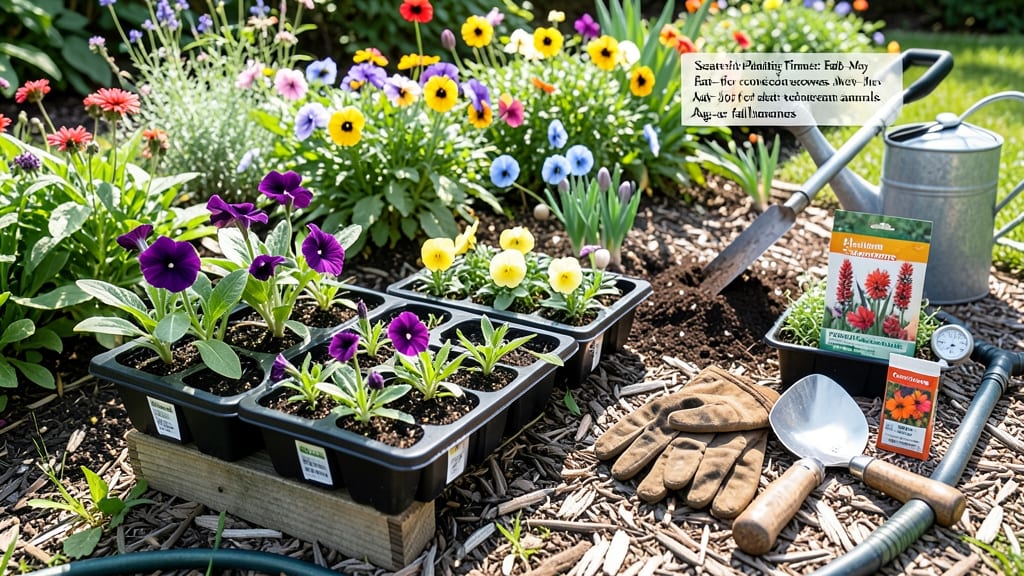
Planting flowers in Seattle isn't just about the calendar—it's about mastering the coastal vs. inland dance of frost dates, rain shadows, and microclimates that can make or break your blooms.
Whether you're prepping for March's last frost or timing fall bulbs before November's chill, getting it right means vibrant gardens from spring to fall without the guesswork.
I've learned the hard way that Seattle's USDA Zone 8a climate demands precision. The coastal side stays damp and cool longer, while inland areas warm up faster—so what thrives in one spot might flop just miles away.
The key? Knowing when to plant annuals for summer color, perennials for year-after-year blooms, and bulbs that'll surprise you next spring.
Let me show you exactly when to put those 🌸 seeds in the ground—whether you're a beginner or a seasoned gardener—so you can beat frost damage, extend your blooming season, and choose the perfect flowers for Seattle's quirks.
We'll cover everything from soil prep to the best varieties for your specific microclimate.
No more waiting until it's too late or watching your flowers wilt before they even get started. With these timing secrets, you'll have a garden that's always one step ahead of Seattle's weather—because timing really is everything when you're working with 165 frost-free days and unpredictable Pacific Northwest skies.
Seattle flower planting calendar: coastal vs inland timing differences
Seattle’s coastal and inland zones create two distinct planting worlds—one with milder, wetter conditions and the other warmer, drier microclimates. The average last frost date for coastal areas is around April 20, while inland zones can warm up 1-2 weeks earlier.
These differences mean your annuals, perennials, and bulbs need tailored timing to thrive.
Understanding these microclimate variations is key. For example, coastal gardens near Puget Sound may experience late spring frosts into May, while inland areas like Redmond or Kenmore often see earlier soil warming.
Bulbs like daffodils and tulips planted in October can bloom 2-3 weeks earlier inland than on the coast.
Here’s how to align your planting schedule with Seattle’s two distinct climates to avoid frost damage and maximize blooms:
| Planting Task | Coastal Zone (e.g., West Seattle) | Inland Zone (e.g., Bellevue) |
|---|---|---|
| Last Spring Frost | April 20 | April 5 |
| First Fall Frost | November 10 | October 25 |
| Best Time for Annuals | May 1 - June 15 | April 15 - May 30 |
| Perennial Planting Window | March 15 - April 30 | March 1 - April 15 |
| Bulb Planting (Fall) | October 1 - November 1 | September 15 - October 15 |
| Late Season Annuals | August 1 - September 10 | July 15 - August 30 |
🌱 Pro Tip: Use row covers to extend coastal planting by 2-3 weeks if frost threatens.
For coastal gardeners, focus on cold-hardy annuals like pansies and snapdragons, which can handle light frosts after planting. Inland areas benefit from heat-tolerant varieties such as zinnias or marigolds, which thrive in warmer soil and drier conditions.
Bulbs are another game-changer. Tulips and hyacinths planted in late October on the coast will bloom in late April, while inland plantings may flower 3 weeks earlier. Daffodils, however, are more consistent across both zones due to their frost resistance.
Don’t overlook staggered planting for extended blooms. For example, sow cosmos seeds every 2 weeks from May to July—this ensures continuous summer color until the first frost. Inland gardeners can push this to late July for fall displays.
Seattle’s rainy springs can delay soil warming, so always check soil temperature before planting. Aim for 50°F+ for most annuals and 60°F+ for heat-loving flowers like petunias. Use a soil thermometer to avoid guesswork—especially in coastal low spots where cold air pools.
For perennials, early spring is your window. Plant lavender, catmint, and Russian sage in March to establish roots before summer heat. These drought-tolerant plants thrive inland but may need extra mulch in coastal areas to prevent root rot from persistent moisture.
Remember: Seattle’s first frost can arrive as early as October 25 inland or hold off until November 10 coastally. Use this timeline to plant frost-sensitive annuals like geraniums or begonias by mid-August inland or early September coastally for fall blooms.
By matching your planting schedule to your specific zone, you’ll avoid frost damage, overwatering struggles, and disappointing blooms. Next, we’ll dive into the best flowers for each season—coastal and inland edition
Seattle flower planting calendar: coastal vs inland timing differences
Understanding Seattle’s dual climate zones is your secret weapon for successful flower planting. The coastal side (like West Seattle) stays cooler and wetter longer, while inland areas (like Bellevue) warm up faster—sometimes by weeks.
These differences mean your last spring frost could arrive anywhere from mid-April to late May, depending on location.
For annuals and tender perennials, wait until after your area’s last frost date to plant outdoors.
Coastal gardeners should hold off until mid-May, while inland gardeners can start as early as late April. Bulbs like tulips and daffodils are the exception—plant them in fall (October-November) to bloom early next spring.
The first fall frost also varies dramatically: coastal areas may see frost by mid-November, while inland spots can extend the season until early December. This means fall-planted annuals (like pansies) have a longer window inland than near Puget Sound.
| Zone | Last Spring Frost | First Fall Frost | Best Planting Window | Key Tip |
|---|---|---|---|---|
| Coastal (West Seattle, Bainbridge) | Mid-May | Mid-November | May 15–June 15 (annuals), Oct 1–Nov 15 (bulbs) | Use mulch to protect from wet soil. |
| Inland (Bellevue, Redmond) | Late April | Early December | April 15–May 15 (annuals), Sept 15–Nov 1 (bulbs) | Start heat-loving annuals earlier. |
For perennials, the rule changes slightly. Plant them in early spring (March-April) once the soil is workable, even if frost lingers.
Coastal areas can start as early as March 1, while inland gardeners should wait until mid-March to avoid frost damage. Native perennials like columbine or penstemon thrive in both zones but prefer well-draining soil—critical in Seattle’s rainy climate.
Pro tip: Use staggered planting for annuals. Start with cool-season varieties (like snapdragons) in early spring, then transition to heat-loving annuals (like zinnias) in late May. This ensures continuous blooms from spring through fall, regardless of your microclimate.
Don’t forget about container gardening—it gives you flexibility to move heat-sensitive plants to shade or sheltered spots during sudden temperature swings. Just remember: containers dry out faster in Seattle’s dry summer months, so water consistently.
Timing isn’t just about frost dates—it’s about soil temperature too. For most flowers, aim for soil temps above 50°F (10°C). Use a soil thermometer if you’re unsure, especially for tender annuals like petunias that need warmth to germinate.