
Flowers
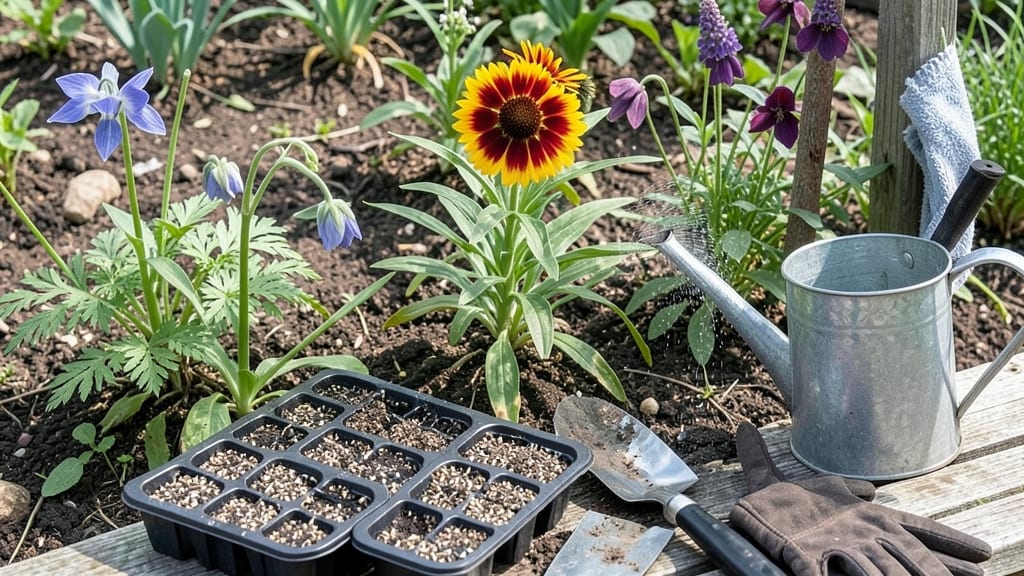
Timing your flower planting in Colorado isn't just about the calendar—it's about beating the frost, whether you're in Denver's USDA Zone 5 or the warmer Zone 7 near Colorado Springs. Miss the window, and your 🌸🌸🌸 could get nipped by late spring frosts, while planting too early risks stunted growth.
Most gardeners in Colorado wait until after the average last frost date—typically mid-April in Denver or early May in higher elevations—but the real secret lies in microclimates. A sheltered urban garden might be ready weeks before rural areas, while mountain valleys can stay frost-prone until June.
In this guide, I’ll break down the exact frost-free timelines by zone, plus how to adjust for elevation and heat islands. You’ll learn which cold-hardy perennials can go in early March and which tender annuals need to wait until Memorial Day.
Ready to plant with confidence? Let’s dive into the perfect planting windows for every corner of Colorado—so your garden blooms like clockwork, not a gamble.
Colorado planting zones: frost-free dates by USDA Zone (4-7)
Colorado’s USDA Plant Hardiness Zones 4-7 create dramatic shifts in planting timelines, with high-altitude areas like Boulder (Zone 5) often facing later frosts than lower elevations like Grand Junction (Zone 7). Understanding these zones helps you avoid frost damage and maximize bloom seasons for your annuals and perennials.
Most Colorado gardeners focus on spring planting after the last frost, but fall planting (4-6 weeks before first frost) works well for cold-hardy perennials. The key is knowing your local frost-free dates, which can vary by 1-3 weeks even within the same city.
| Location | USDA Zone | Avg Last Frost | Avg First Frost | Planting Window | Notes |
|---|---|---|---|---|---|
| Denver | Zone 5b | April 15 | October 15 | Mid-April to May 15 | High-altitude microclimates delay frost by 1-2 weeks |
| Colorado Springs | Zone 5a | April 30 | October 1 | Late April to May 10 | Pikes Peak area adds 10-14 days to frost dates |
| Fort Collins | Zone 4b | May 10 | September 25 | Late May to June 1 | Northern Colorado’s coldest zone; use row covers |
| Grand Junction | Zone 7a | March 15 | November 15 | Early March to April 15 | Longest growing season; plant heat-loving annuals |
| Boulder | Zone 5b | April 20 | October 10 | Late April to May 10 | Mountain valleys can be 5°F colder than city center |
| Pueblo | Zone 6a | April 5 | October 30 | Early April to May 1 | Arid climate extends growing season by 2 weeks |
For Zone 4 areas like Fort Collins, I recommend starting cold-hardy annuals like pansies and sweet peas indoors in February to get a head start. These zones often experience late spring frosts, so always have row covers ready.
In Zone 7 areas such as Grand Junction, you can plant tender annuals like marigolds and zinnias as early as March 1, but monitor nighttime temperatures—below 40°F can still damage young plants.
The extended growing season here lets you enjoy fall-blooming flowers like mums and asters well into November.
Denver’s Zone 5b climate creates a 6-month growing season, but urban heat islands in south Denver can push last frost dates back by 1-2 weeks compared to north Denver. Always check microclimate conditions—your backyard might be 5°F warmer than official records.
To protect tender flowers in early spring, I use black plastic mulch to warm soil and frost cloth for overnight protection. For high-altitude gardens, consider container gardening—you can move pots to warmer microclimates during cold snaps.
Remember: these are average dates. Check the National Weather Service or local Cooperative Extension for real-time updates. In Colorado, one late frost can wipe out weeks of growth, so always plant heat-loving annuals after May 15 in most zones.
For fall planting, aim to get perennials in the ground 4-6 weeks before first frost. This gives roots time to establish before winter dormancy. In Zone 4, that means late August to early September planting.
Microclimate adjustments: how elevation and urban heat islands shift planting times
Your neighbor in Denver’s Zone 5 might plant marigolds in mid-April, but if you live in Boulder’s higher elevations or Pueblo’s urban heat zone, that same date could spell disaster.
Microclimates—localized variations in temperature, wind, and sunlight—can shift your frost-free window by 2-4 weeks, even within the same city. Understanding these nuances ensures your 🌷🌷🌷 thrive when others fail.
Elevation is the biggest factor: every 1,000 feet gained drops temperatures by 3-5°F. That’s why Fort Collins (Zone 5) often waits until May 1 for tender annuals, while Colorado Springs (Zone 6) can plant two weeks earlier.
Meanwhile, urban heat islands—like downtown Denver—can warm soil enough to plant zinnias in late March, while rural areas nearby still face frost risks.
Here’s how to adjust your planting timeline based on your microclimate, with actionable tips for each scenario:
- 1 High Elevations (5,000+ ft): Add 2-3 weeks to frost dates. For example, Boulder’s Zone 5 should wait until May 15 for petunias and geraniums. Use black plastic mulch to warm soil faster.
- 2 Urban Heat Islands: Subtract 1-2 weeks from frost dates. Downtown Denver may safely plant impatiens in late April, but rural areas nearby should wait until May 1. Monitor soil temperature with a probe—aim for 55°F+.
- 3 Wind-Exposed Areas: Delay planting by 1 week to avoid transplant shock. Use windbreaks (like tall grasses or fencing) to protect delicate seedlings. Pikes Peak region gardeners often wait until May 20 for cosmos and sunflowers.
- 4 South-Facing Slopes: Plant 1-2 weeks early—these areas warm up faster. Ideal for drought-tolerant perennials like lavender and yarrow. Test soil moisture daily; overwatering can stress plants in hot microclimates.
- 5 Valleys & Low Areas: Add 10-14 days to frost dates due to cold air pooling. Grand Junction’s Zone 7 valleys may still see frost in early May. Opt for cold-hardy annuals like pansies or snapdragons for earlier color.
To pinpoint your exact microclimate, observe your garden for 3-5 years or use local weather stations (like Colorado State University’s AgriMet). A simple trick: place a thermometer in your garden for a week—if it’s 5°F warmer than the official station, adjust your planting date 1 week early.
For high-value perennials like peony or daylily, consider row covers to extend your window by 3-4 weeks.
Remember, microclimates aren’t just about frost—they also affect bloom times. A sunny, sheltered spot might push zinnias to flower 2 weeks earlier than a shady, windy corner. Start with cold-hardy annuals like sweet peas or lupines to test your microclimate’s readiness before investing in tender varieties.
Pro tip: Keep a gardening journal to track which flowers thrive in your microclimate. Over time, you’ll spot patterns—like how your urban heat island lets you plant tomatoes 10 days earlier than the almanac suggests. Happy planting! 🌻