
Plants
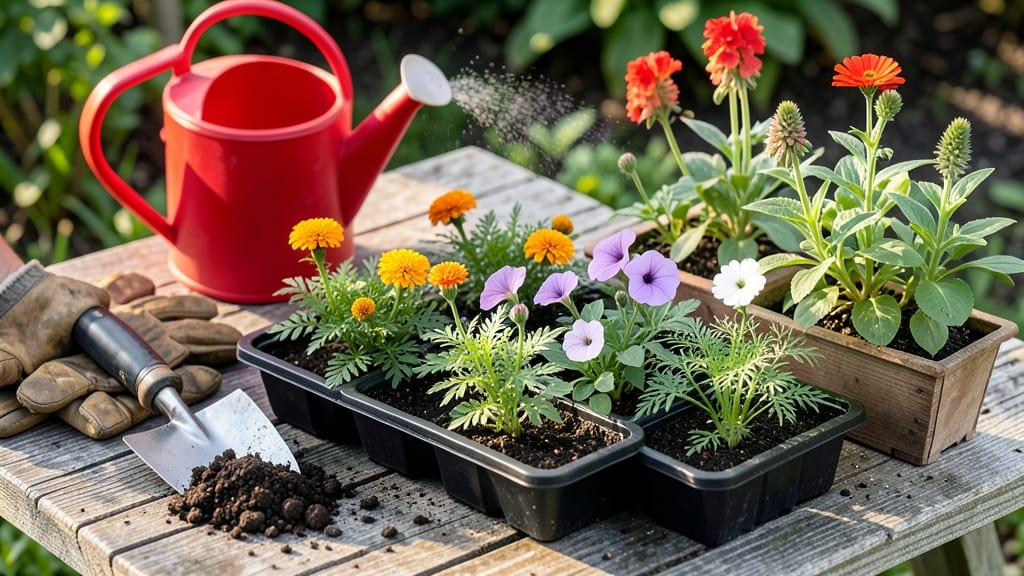
Planting your annuals 🌸 at the wrong time in Zone 5 can mean the difference between a thriving garden and a frost-killed disappointment. The key isn't just waiting for the last frost date—it's understanding how your microclimate (urban heat islands, slopes, or water bodies) shifts those timelines by weeks.
I've learned the hard way that even experienced gardeners in Zone 5 often miss the two critical windows: mid-May (after last frost) for warm-season crops and late August (2-4 weeks before first frost) for cool-season varieties.
But here's the secret: your specific location—whether you're in a city heat pocket or a shaded backyard—can safely extend or shorten those windows by 10-14 days.
What if you could pinpoint the exact moment your soil hits that 60°F sweet spot for planting? Or know which annuals (like cold-hardy pansies or heat-loving zinnias) will thrive in your microclimate?
I'll show you how to calculate your personalized planting schedule, plus the 3 must-know adjustments that protect your annuals from Zone 5's fickle weather.
Let's dive into the data-backed timing that'll help you avoid those common mistakes—like planting tomatoes too early or missing your second planting window—and keep your annuals blooming or producing all season long.
Zone 5 last-frost dates by microclimate: when to plant annuals safely
Understanding Zone 5 last-frost dates is your first step to avoiding frost damage while maximizing your annuals' growth potential. The USDA Zone 5 average last-frost date typically falls between April 15 and May 15, but this varies dramatically based on your specific microclimate.
Urban areas often experience warmer microclimates due to heat islands, while rural regions and higher elevations can see frost lingering weeks later.
To pinpoint your exact planting window, check the NOAA Climate Data for your city and cross-reference with local gardening records from trusted sources like your county extension office. For example, Chicago’s last frost averages May 10, while Minneapolis typically sees May 20.
Even within a city, a north-facing slope may frost 2 weeks later than a south-facing garden bed.
Here’s how to use this data: Wait until the average last frost has passed, then add a 1-2 week buffer for safety. For warm-season crops like tomatoes or peppers, soil temperature is just as critical as air temperature—aim for 60°F or warmer before planting.
Cold-hardy annuals like pansies or snap peas can handle light frosts (28°F), while tender varieties such as marigolds or basil need consistent warmth. Knowing your microclimate helps you choose the right plants for your timeline.
🌱
| Microclimate Type | Last Frost Date Range | Safe Planting Window | Cold-Hardy Annuals | Warm-Season Annuals |
|---|---|---|---|---|
| Urban Heat Island | April 20 - May 5 | May 10 - May 20 | Pansies, Kale, Lettuce | Tomatoes, Peppers, Basil |
| Rural Open Fields | May 1 - May 15 | May 20 - May 30 | Snap Peas, Radishes, Spinach | Cucumbers, Zucchini, Marigolds |
| North-Facing Slope | May 10 - May 25 | June 1 - June 10 | Arugula, Swiss Chard | Basil, Petunias, Coleus |
| South-Facing Garden | April 15 - April 30 | May 5 - May 15 | Pansies, Sweet Alyssum | Tomatoes, Eggplant, Okra |
| Lakeside/Water Body | April 25 - May 10 | May 15 - May 25 | Lettuce, Mustard Greens | Peppers, Okra, Sunflowers |
For warm-season annuals, like tomatoes or peppers, the risk of frost isn’t just about the date—it’s about soil temperature. Use a soil thermometer to confirm the ground has warmed to at least 60°F before planting.
If your soil is slow to warm, consider using black plastic mulch or row covers to accelerate heating.
If you’re planting late-season annuals like cosmos or zinnias for fall color, start seeds indoors 6-8 weeks before your first frost date (typically October 1-November 1 in Zone 5). For frost-sensitive varieties, use row covers or cold frames to extend the season by 2-4 weeks.
Pro tip: Keep a gardening journal to track your local frost dates over 3-5 years. This helps you refine your planting schedule and account for weather anomalies, like late spring frosts or early heat waves.
🌿
Remember, microclimates aren’t just about frost—they also affect soil drainage, wind exposure, and pest pressure. For example, a garden near a large body of water may have cooler nights but warmer days, while a sheltered spot might protect plants from wind damage.
Adjust your planting schedule based on these factors too.
By aligning your planting with your microclimate’s last-frost date and soil conditions, you’ll give your annuals the best chance to thrive—whether they’re cold-hardy greens or heat-loving tomatoes. Start with the averages, then fine-tune based on your garden’s unique conditions.
☀️
How to adjust planting times for Zone 5 microclimates: urban heat islands, slopes, and water bodies
Zone 5’s last-frost dates vary wildly depending on your microclimate. A garden just a few blocks away might have 10-14 days earlier planting windows due to urban heat islands, while north-facing slopes can delay frost by weeks.
Understanding these variations lets you extend your growing season without risking frost damage.
Urban areas often experience heat islands where pavement and buildings trap warmth, pushing last-frost dates 1-2 weeks later than rural zones. Meanwhile, slopes and water bodies create their own microclimates—south-facing slopes warm faster, while large lakes or rivers can delay frost formation.
By assessing your garden’s unique conditions, you can optimize planting schedules for maximum success.
🌡️ Key microclimate factors to consider:
- Urban heat islands (concrete absorbs heat)
- North-facing slopes (colder, frost lingers)
- South-facing slopes (warmer, earlier planting)
- Large water bodies (moderate temperatures)
- Wind exposure (can accelerate frost formation)
🌡️ Adjust Planting Times by Microclimate
- 🏙️ Urban Heat Islands: Plant 7-14 days later than rural areas—soil warms faster, delaying frost risk.
- 🏔️ South-Facing Slopes: Start 2-3 weeks earlier—warmer microclimate speeds up growth.
- 🌊 Near Water Bodies: Extend season by 10-14 days—water moderates temperature swings.
- 🌬️ Wind-Exposed Areas: Delay planting by 1 week—frost forms faster in open spaces.
- 🌳 Shaded Gardens: Wait until soil reaches 65°F—cool microclimates slow warming.
For example, marigolds and pansies can handle light frost, so you might plant them 2-3 weeks before your average last-frost date in cooler microclimates. Meanwhile, tomatoes and peppers need consistent warmth, so urban heat islands let you plant them 10 days earlier than rural gardens.
Use a garden thermometer to monitor soil temperatures—most annuals thrive when soil reaches 60°F. If your microclimate runs cooler than average, opt for cold-hardy varieties like kale or snap peas, which tolerate 28°F without damage. For warmer microclimates, push the limits with heat-loving basil or okra.
Pro tip: Group plants with similar microclimate needs together. Place frost-sensitive annuals near heat-retaining walls or in raised beds, while hardy greens can thrive in cooler, shaded spots. A little strategic planning turns Zone 5’s challenges into opportunities for a longer, more productive growing season. 🌱