
Vegetables
Planting your 🥬 fall vegetables at the wrong time in Virginia could mean watching your hard work turn to mush overnight—literally. The difference between a thriving garden and a frost-kissed disappointment often comes down to timing, and Virginia’s microclimates make it tricky to nail down the perfect window.
Whether you’re in the cooler Piedmont hills or the milder Tidewater coast, knowing when to plant isn’t just about checking a calendar—it’s about understanding how your local frost dates shift the game.
Get it right, and you’ll enjoy fresh kale, crisp carrots, and homegrown broccoli well into winter. Get it wrong, and you’ll be scrambling for greenhouse space by October.
I’ve spent years testing fall planting schedules across Virginia’s USDA Zones 6a-8a, and the secrets I’ve uncovered will help you avoid common mistakes. From the 6-week rule to microclimate hacks for extending your harvest, this guide breaks down exactly when to plant for zero-frost success—no guesswork required.
Ready to turn your fall garden into a harvest goldmine? Let’s dive into the region-specific deadlines that’ll keep your veggies thriving until the first hard freeze.
You’ll learn which crops to start now, which can wait, and how to push your planting window just a little further when the weather plays tricks.
Virginia’s fall planting zones: when to start by region (Piedmont vs. coastal vs. mountains)
Virginia’s three distinct microclimates create wildly different fall planting windows. The Piedmont’s rolling hills (USDA 7a) average October 15 for first frost, while coastal Tidewater (USDA 8a) often waits until November 15.
Mountain regions like Roanoke (USDA 6b-7a) face frost as early as October 1. These variations mean your kale or broccoli could bolt—or freeze—if planted at the wrong time.
To avoid frost damage, I rely on Virginia Cooperative Extension data showing that cool-season crops like spinach and carrots need 45-60 days to mature before winter. That means Piedmont gardeners should start seeds by mid-August, while coastal gardeners can wait until early September.
Mountain regions need to plant even earlier—late July—to beat the early frost.
Here’s how to match your planting timeline to Virginia’s three key regions, including soil prep deadlines and seed-starting windows for maximum harvest success.
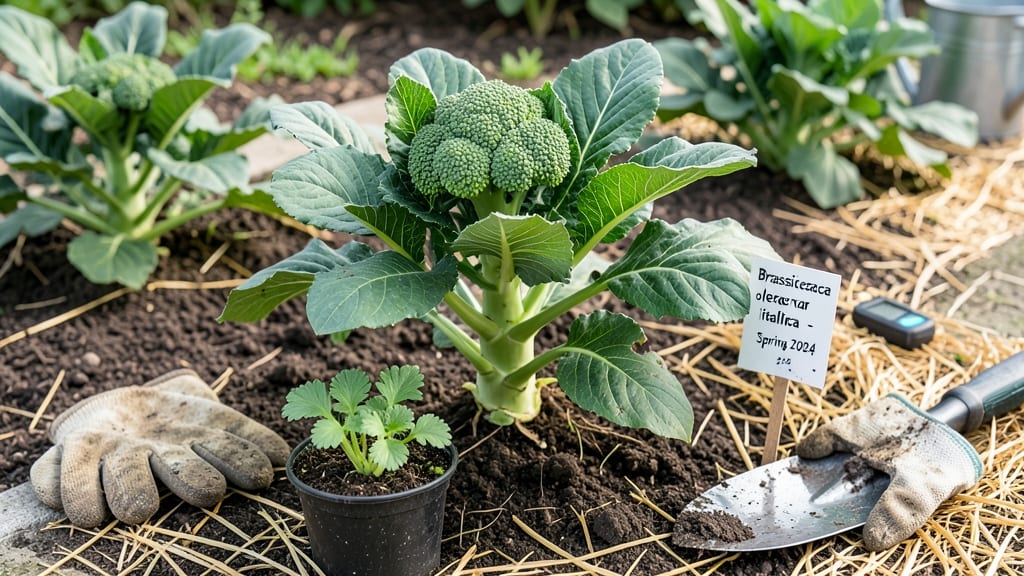
For Piedmont gardeners, I recommend starting broccoli and cauliflower seeds indoors by August 1 and transplanting outdoors by August 15. These cool-season crops need 60+ days to mature, so planting too late risks frost damage before harvest.
Meanwhile, fast-growing radishes or spinach can be direct-sown as late as September 1 in the Piedmont.
In coastal Virginia, where the first frost often arrives 3 weeks later, you’ve got flexibility. I’ve successfully planted kale and collard greens as late as September 15—these frost-tolerant crops actually sweeten after light freezes.
For carrots and beets, though, stick to August 15 to ensure they mature before November 15.
Mountain regions demand earlier action. I lost my first fall garden in Roanoke by planting lettuce too late—October’s early frost turned my crisp heads to mush. Now, I start all cool-season crops by July 15
The 6-Week rule: how to time fall planting for maximum harvest before frost
Planting 6 weeks before your first frost is the classic rule, but Virginia’s variable microclimates mean this timeline needs adjustment. For example, Zone 7a (like Richmond) might have a first frost on October 15, while Zone 8a (like Norfolk) could see frost as late as November 15.
That’s a 6-week difference in your planting window!
To nail your timing, calculate your true harvest window by subtracting the days to maturity for each crop from your expected frost date.
For instance, bush beans (50 days to harvest) need to be planted by September 5 in Zone 7a, while spinach (40 days) can go in until October 15. This ensures you harvest before frost hits.
📌 Numbered Highlights: Your Fall Planting Timeline
- Step 1: Check your USDA Zone and first frost date (use Virginia Cooperative Extension maps).
- Step 2: Pick crops with 30-60 day maturity (e.g., lettuce, radishes, kale).
- Step 3: Subtract maturity days from frost date to find your planting deadline.
- Step 4: For transplants (like broccoli), start seeds 4-6 weeks before your outdoor deadline.
- Step 5: Direct-sow fast growers (e.g., radishes, arugula) 2-3 weeks before frost for late harvests.
Transplanting seedlings vs. direct sowing changes your timeline. Transplants (like cabbage or cauliflower) need 4-6 weeks of growth before frost, so start them indoors by mid-July for a Zone 7a garden.
Meanwhile, direct-sown crops (e.g., carrots, beets) can go in as late as early October if they mature in 50 days or less.
Pro tip: Use succession planting to stretch your harvest. Sow baby leaf lettuce every 2 weeks from August to October. This way, you’ll have fresh greens until December, even if frost arrives early. Just avoid planting slow growers like cabbage too late—they won’t mature in time!
Don’t forget to account for Virginia’s unpredictable weather. A late summer heatwave can delay planting, while an early frost might force you to harvest sooner. Keep an eye on 10-day forecasts and adjust your timeline if needed.
For example, if September stays hot, delay planting cool-season crops until temperatures drop below 85°F.
With this 6-week rule and a little flexibility, you’ll avoid the heartbreak of frost-ruined crops and enjoy a bountiful fall harvest. Start with fast-growing varieties, time your transplants carefully, and you’ll be feasting on homegrown veggies long after summer’s over. 🥬