
Plants
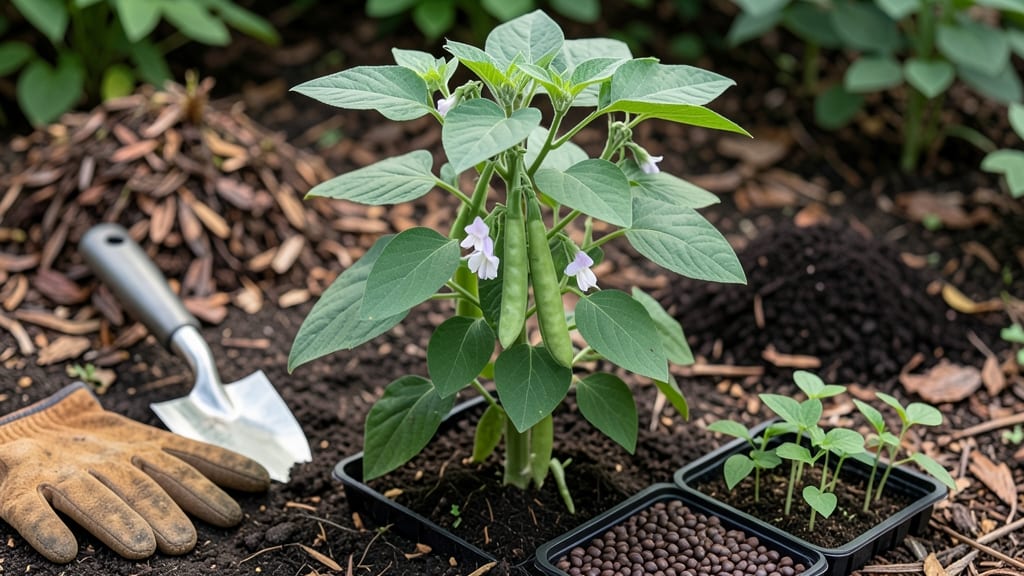
Planting bush beans 🌱 at the wrong time in Florida means sacrificing sweet, tender pods for bitter, bolted failures—even in our frost-free climate. The key isn’t just when to plant, but how to work with Florida’s Heat Zones 8A-10A to stretch your harvest window year-round without stress.
Most gardeners assume Florida’s warm weather means you can plant anytime, but heat above 85°F triggers bolting—those unwanted flowers that turn beans tough and stringy.
I’ve learned the tricks to avoid this, from timing your fall crops to beat summer’s peak to choosing heat-resistant varieties like ‘Contender’ that thrive in our long, humid growing season.
What if you could harvest fresh beans in January or extend your summer crop without sacrificing quality? The secret lies in soil temperature, shade strategies, and understanding how Florida’s microclimates (North vs. South) shift your planting calendar.
Let’s break down the exact windows that work—and how to protect your plants from bolting, no matter the season.
Whether you’re a backyard gardener or growing in containers, these Florida-specific tips will help you double your harvests while keeping your beans sweet and productive. Ready to master the timing?
Optimal planting windows for bush beans in Florida heat zones 8A-10A
Florida’s Heat Zones 8A-10A offer unique challenges for growing bush beans (Phaseolus vulgaris), but timing is everything. Unlike northern climates, Florida’s frost-free year-round growing season means you can plant almost anytime—but heat stress and bolting are real threats if you’re not strategic.
The key is planting during cooler months when soil temperatures stay below 85°F (29°C) for optimal germination and growth.
Bush beans thrive in Florida’s winter and early spring, but with the right varieties and shade strategies, you can even squeeze in summer plantings in cooler microclimates like North Florida (Zone 8A).
Below, I’ve broken down the best planting windows by zone, including early fall, winter, and spring strategies to maximize your harvest while avoiding the dreaded bolt syndrome.
| Zone | Best Planting Window | Soil Temp for Planting | Harvest Window | Notes |
|---|---|---|---|---|
| 8A (North FL) | Early Sept - Mid-Nov Jan - March |
60-75°F (15-24°C) | Oct - Dec March - May |
Avoid summer; use shade cloth in late spring. |
| 9A (Central FL) | Late Aug - Dec Jan - April |
65-75°F (18-24°C) | Sep - Jan March - June |
Summer plantings risk bolting; opt for heat-tolerant varieties. |
| 10A (South FL) | Year-round (best Sept - Feb) | 70-75°F (21-24°C) | Oct - March June - Aug (shade) |
Summer success requires drip irrigation and shade. |
For Zone 8A, focus on early fall (September) and winter (January-March) plantings. North Florida’s cooler nights and lower humidity create ideal conditions, with harvests stretching into December and May. Use row covers in late winter to protect against rare cold snaps below 30°F (-1°C).
In Zone 9A, you can push boundaries with late summer (August) plantings, but always pair them with 30% shade cloth to prevent heat stress. The best window remains fall (September-December) and early spring (January-April), yielding harvests from October to June.
Varieties like ‘Contender’ and ‘Derby’ handle Florida’s heat better than standard types.
South Florida’s Zone 10A is the most forgiving, allowing year-round plantings if you prioritize soil moisture and shade. Aim for September-February for peak production, but summer plantings (June-August) work if you use drip irrigation and 50% shade cloth.
The University of Florida IFAS Extension recommends succession planting every 2-3 weeks to keep pods coming.
Pro tip: Always test soil temperature with a soil thermometer before planting. Bush beans won’t germinate well in soil above 85°F (29°C), even in Florida. If your soil is too hot, wait until evening to plant and mulch heavily with straw to cool the roots.
Container gardeners in urban heat islands should plant 2-3 weeks earlier than ground plantings, as pots heat up faster. Choose black or dark-colored containers for better heat absorption in winter plantings, but switch to light-colored pots in summer to reflect heat.
Remember, Florida’s long growing season is a double-edged sword. While you avoid frost, heat and humidity can quickly turn sweet pods into bitter, stringy messes.
By following these zone-specific windows, you’ll enjoy sweet, tender beans from fall through spring—and maybe even a few summer surprises with the right care.
How to avoid bolting: soil temperature, variety selection, and shade strategies
Bolting is every Florida gardener’s nightmare—your bush beans prematurely flower and produce tough, bitter pods instead of the sweet, tender harvests you crave. The culprit? Soil temperatures dropping below 60°F (15°C), which triggers the plant’s survival response.
But don’t panic! With the right varieties, shade strategies, and timing, you can outsmart bolting and enjoy a steady supply of fresh beans year-round.
First, let’s tackle the soil temperature threshold. Bush beans thrive when soil stays between 65°F and 85°F (18°C-29°C). In Florida’s Heat Zones 8A-10A, this means avoiding early fall plantings before October 15 in North Florida or November 1 in South Florida.
Use a soil thermometer to check temperatures before planting—if it’s cooler, wait or use shade cloth to delay bolting.
⚠️ callout warning ⚠️
Bush beans bolt within 7-10 days if soil temps drop below 60°F (15°C). In Florida, this happens as early as September in North Florida and October in South Florida. Use black plastic mulch or row covers to raise soil temps by 5-10°F during cooler months.
Pro Tip: Plant heat-tolerant varieties like ‘Contender’ or ‘Derby’—they handle 90°F+ soil temps better than standard types.
Next, variety selection makes all the difference. Not all bush beans are created equal! Florida’s humid, hot climate demands varieties bred for heat tolerance and disease resistance. My top picks for Florida gardens are:
- ‘Contender’ – Handles 90°F+ temps and resists bean beetles.
- ‘Derby’ – Early maturing (55 days) and bolt-resistant.
- ‘Blue Lake Bush’ – Classic flavor but needs shade cloth in summer.
For summer plantings, shade is your secret weapon. Bush beans can bolt in as little as 5 days under Florida’s intense midday sun (100°F+). Use 30-50% shade cloth to filter sunlight and keep soil temps stable.
Install it permanently over rows or use movable frames for flexibility. Water deeply twice daily (morning and late afternoon) to prevent heat stress and maintain consistent soil moisture.
Finally, succession planting is your best bet for year-round harvests. Instead of one big planting, try biweekly sowings from September to March. This ensures you’re always harvesting fresh pods while avoiding the peak bolting window.
For example, plant 1/3 of your seeds every 2 weeks—this spreads out your harvest and reduces the risk of bolting overwhelming your garden.
With these soil temperature, variety, and shade strategies, you’ll enjoy sweet, tender bush beans for months—no bolting in sight! 🌱