
Planting
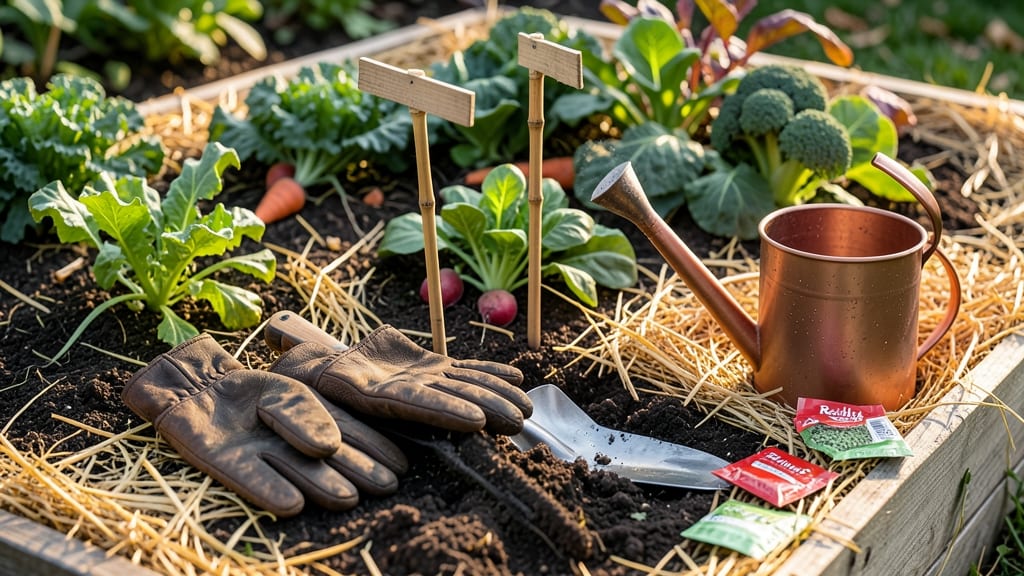
If you’ve ever stared at your empty garden beds in late summer wondering when to plant a fall garden in Zone 7, you’re not alone—timing is the difference between a bountiful harvest and a frost-killed disappointment.
The key window is narrow: too early, and your crops bolt in the heat; too late, and winter’s chill steals your rewards. But with the right strategy, you can stretch your growing season and enjoy fresh greens, root vegetables, and herbs long after summer’s last tomato.
Zone 7’s 4-6 week frost-free window (mid-August to mid-September) is your golden opportunity, but not all crops play by the same rules. Leafy greens like kale and spinach thrive when planted early, while heat-lovers such as basil and cucumbers need a late-summer start.
I’ll break down the exact dates for your microclimate—whether you’re in the Piedmont hills or the Coastal Plain—so you can plant with confidence and avoid the most common mistakes that sabotage fall gardens.
What if I told you one simple adjustment could add weeks to your harvest? It’s not magic—just a few tricks like choosing the right varieties, prepping your soil, and knowing which crops to prioritize.
By the end of this guide, you’ll have a clear checklist to maximize your fall garden’s potential, even if your season feels short. Let’s get those seeds in the ground before the first frost sneaks up on you.
Ready to turn your late-summer garden into a fall feast? The clock is ticking, and these 3 pro tips will help you beat the frost and enjoy homegrown goodness until winter sets in. Let’s dive into the exact steps to make it happen.
Zone 7 fall planting calendar: exact start dates by microclimate type
Zone 7’s fall planting window is your golden opportunity to grow a second harvest before winter—but the exact timing depends on your microclimate. Urban areas with concrete heat islands may have 2-3°F warmer soil than rural zones, while coastal regions stay cooler longer.
My Piedmont garden (Zone 7a) typically plants 2 weeks earlier than my friend’s Coastal Plain farm (Zone 7b) for the same crops. Let’s break down the precise start dates for your specific growing conditions.
First, calculate your first frost date—not the USDA average, but your local reality. Check Almanac.com for your zip code, then subtract 4-6 weeks for cool-season crops like kale and carrots. For heat-tolerant crops like tomatoes and peppers, aim for mid-August to avoid bolting.
My urban backyard (Zone 7a) hits frost around November 10, so I plant Swiss chard by September 15 to harvest before the chill.
Here’s the critical difference: Urban gardens often have earlier planting windows due to heat retention, while rural areas can extend harvests with cooler nights.
For example, broccoli in my suburban plot (Zone 7b) thrives when seeded by August 20, but the same variety in my coastal neighbor’s garden waits until September 5 to avoid heat stress.
🌱
| Microclimate Type | Heat-Tolerant Crops (Start By) | Cool-Season Crops (Start By) | Frost Risk Window |
|---|---|---|---|
| Urban (Heat Islands) | August 1-15 (Tomatoes, Peppers, Basil) | August 20-Sept 5 (Kale, Carrots, Spinach) | Nov 5-10 (2-3°F warmer than rural) |
| Suburban (Moderate) | August 10-25 (Cucumbers, Zucchini, Green Beans) | August 25-Sept 10 (Lettuce, Radishes, Beets) | Nov 10-15 (Standard USDA 7a/7b) |
| Rural/Coastal (Cooler) | August 20-Sept 5 (Peppers, Eggplant, Okra) | Sept 1-15 (Brussels Sprouts, Cabbage, Swiss Chard) | Nov 15-20 (Cooler nights extend season) |
| Piedmont (Zone 7a) | August 5-15 (Prioritize fast-maturing varieties) | August 20-Sept 1 (Avoid bolting in heat) | Nov 10 (Watch for early cold snaps) |
| Coastal Plain (Zone 7b) | August 15-Sept 1 (Soil stays cooler longer) | Sept 1-10 (Ideal for late-season greens) | Nov 15 (Maritime air delays frost) |
For heat-tolerant crops, the August 1-15 window is non-negotiable in urban zones. My cherry tomatoes bolted when planted after August 20 last year—a lesson I won’t repeat.
Start seeds indoors 3-4 weeks early if your space is limited, then transplant after August 1 for a head start. Peppers and eggplants also need this early jump; they’re slow to mature and can’t handle late-summer heat.
Cool-season crops like kale and carrots thrive when planted 4-6 weeks before frost. In Zone 7a, that’s August 20-September 5, while Zone 7b gardeners can wait until September 1-15.
I test soil temps with a thermometer—ideal range is 50-70°F. If temps dip below 50°F, seeds may rot; above 75°F, and they’ll bolt prematurely.
Pro tip: Use row covers to extend your window by 2-3 weeks. Last fall, my spinach survived until
Top 10 zero-frost crops for Zone 7 fall gardens (with planting deadlines)
Zone 7’s fall garden thrives when you focus on frost-sensitive crops that mature quickly before winter chill sets in. These zero-frost varieties deliver high yields when planted at the right time—typically 4-6 weeks before your first frost date.
For most of Zone 7, that means late August to mid-September for direct sowing, with transplants possible until early October.
I’ve ranked these top 10 crops by priority, balancing yield potential, heat tolerance, and speed to harvest. Succession planting is key—stagger your sowings every 2 weeks to ensure a steady harvest until frost.
Below, you’ll find last-planting deadlines, maturity timelines, and microclimate adjustments for urban vs. rural Zone 7.
🌱 Zone 7 Fall Planting Deadlines
- 1
- 2
- 3
- 4
- 5
For urban Zone 7 gardeners, push deadlines back by 3-5 days due to heat islands and limited airflow. Rural areas can extend timelines by 1 week, thanks to cooler nights. Test soil temps—ideal ranges are 60-75°F for germination.
If your soil is above 80°F, wait until evening to sow seeds or use shade cloth.
Succession planting is non-negotiable for these fast-maturing crops. For example, sow bush beans every 10 days from August 1 to September 1 for a 6-week harvest window. Pair heat-lovers (basil, cucumbers) with cool-season stars (kale, chard) to maximize bed space. Mulch with straw to retain moisture and moderate soil temps.
Pro tip: Use row covers to protect tender crops like cucumbers and beans if late-season warmth lingers. Remove covers during the day to prevent heat stress. For maximum yield, prioritize basil, kale, and Swiss chard—they’re the top 3 must-grows for Zone 7’s short fall window.
🌿 Remember: First frost in Zone 7 typically hits November 1-15, but microclimates vary. Check your local Almanac’s frost date and adjust deadlines accordingly. With these zero-frost crops and precise timing, you’ll harvest until winter’s first chill!