
Plants
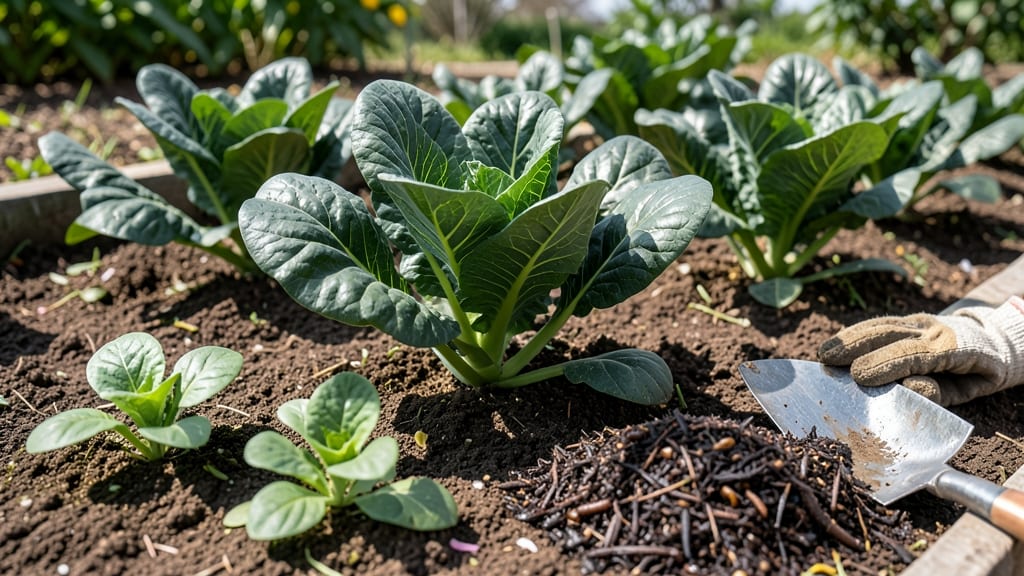
Planting collard greens 🥬 at the wrong time in Alabama can turn your sweet harvest into bitter disappointment—especially when those fall frosts sneak up faster than you expect.
The key to tender, bolt-free collards lies in timing them perfectly with your Heat Zone 8A climate, where mild winters and long growing seasons create unique opportunities (and pitfalls).
Most gardeners in Alabama make one of two mistakes: planting too early in spring and risking bolting, or waiting too late in fall and missing the frost window. But here’s the secret—collards are one of the most forgiving greens for Alabama’s climate, thriving when most other crops give up.
With the right planting window, you can enjoy fresh harvests from October through February, even in the heart of winter.
I’ve tested this strategy for years in my own Alabama garden, and the results speak for themselves: year-round collards without the stress.
Whether you’re a first-time gardener or a seasoned pro, this Heat Zone 8A-specific guide will show you exactly when to plant for maximum yield—and how to avoid the common mistakes that waste your efforts.
Ready to transform your garden into a collard green powerhouse? Let’s dive into the exact timing that’ll keep your plants happy, your harvests bountiful, and your dinner table stocked with homegrown goodness all season long.
Best planting windows for collard greens in Alabama’s heat zone 8A
Alabama’s Heat Zone 8A climate lets you grow collard greens almost year-round, but timing is everything. Plant too early in spring, and you’ll trigger bolting (bitter, flower-filled stems).
Plant too late in fall, and frost will ruin your harvest. The key is aligning your planting with temperature thresholds and frost dates—not just calendar months.
Collard greens thrive in cool weather (ideal temps: 50–75°F). In Alabama, this means two primary planting windows: early spring and late summer. Each window has unique advantages—spring crops mature quickly for summer harvests, while fall crops withstand winter chill for December–February greens.
Let’s break down the exact dates and strategies for zero-bolt, maximum-yield collards.
📅 Critical Dates for Alabama (Heat Zone 8A):
- Last Frost Date: Around March 15 (varies by region)
- First Frost Date: Around November 15
- Frost-Free Growing Season: 210 days (long enough for multiple harvests!)
For spring planting, aim for mid-March to early April. This gives collards enough time to establish roots before Alabama’s summer heat (above 80°F) triggers bolting. Use black plastic mulch to warm the soil faster—this is a game-changer in cooler inland areas like Huntsville or Birmingham.
If you’re in coastal Alabama (e.g., Mobile), you can push planting to early April thanks to milder temperatures.
In fall, the late August to early September window is critical. Planting too early (July) risks heat stress, while waiting until October leaves little time for harvest before frost.
For winter harvests, succession plant every 2–3 weeks from November through December. Collards are cold-hardy (tolerating 20°F with protection), so you can enjoy fresh greens even in January!
🌡️ Temperature Triggers to Avoid:
- Above 80°F for 3+ days → Bolting risk (bitter stems).
- Below 40°F for extended periods → Stunted growth (leaves turn yellow).
- Frost on young plants → Leaf damage (use row covers for protection).
Pro tip: Monitor your local microclimate. Urban areas like Birmingham can be 5–10°F hotter than rural zones, so adjust planting dates accordingly. Use a soil thermometer to confirm temps are 60°F+ for spring or 55°F+ for fall before planting. This simple tool prevents costly mistakes!
If you’re eager for year-round collards, start with two plantings: one in early spring and one in late summer. This ensures a continuous harvest from May through February.
Just remember: fall crops are your best bet for winter greens—they’ll survive light frosts and taste sweeter after a chill!
For urban gardeners with limited space, prioritize container planting in fall. A 5-gallon pot can hold 1–2 plants, and you’ll harvest leaves for months without replanting. Just ensure pots have drainage holes and use lightweight potting mix to prevent root rot.
How to adjust planting for Alabama’s microclimates and soil conditions
Alabama’s diverse landscapes—from coastal marshes to inland valleys—create microclimates that drastically affect collard green growth. Urban gardens in Birmingham face hotter summers and drier soils than rural farms near Mobile, where humidity lingers.
Even within your yard, a south-facing patch may bake while a shaded corner stays cooler. Adjusting your approach to these variations ensures year-round harvests without bitter bolts or stunted growth.
Start by testing your soil pH—collards thrive in 6.0–7.0. Alabama’s native clay soils often need organic matter like compost or aged manure to improve drainage. In urban containers, use a well-draining potting mix with perlite to prevent root rot.
For high-heat pockets (like blacktop-adjacent beds), amend soil with 2–3 inches of compost and mulch heavily to retain moisture.
⚠️ callout warning
⚠️ Soil Pitfall in Alabama
Alabama’s clay-heavy soils compact easily, suffocating collard roots. Never plant in unamended clay—it causes poor drainage and fungal diseases. Test soil first! Use a tilth test or DIY jar method: Fill a jar with soil + water, shake, and wait 2 hours. If water stays cloudy, your soil needs more organic matter.
Urban Fix: Mix in 30% compost or coconut coir. Rural Fix: Add sand + compost (50/50) for clay breakdown.
For urban gardens, prioritize mulching to combat heat islands. Use straw or wood chips (3–4 inches thick) to insulate roots and suppress weeds. In high-heat zones, shade cloth (30–50%) during peak summer afternoons prevents bolting. Drip irrigation on a timer (morning watering only) keeps leaves crisp without overwatering.
Rural farms often deal with heavier rainfall in spring/fall. Plant collards on raised beds or mounds to improve drainage. Avoid waterlogged soil—collards hate soggy roots.
In coastal areas, where humidity is high, space plants 18–24 inches apart for airflow and treat with neem oil preventatively to deter pests like flea beetles.
Extend harvests in late summer by planting shade-tolerant varieties under fruit trees or near structures. Use black plastic mulch to warm soil early, then switch to straw mulch once plants are established.
In winter, add a lightweight row cover (30% shade) to protect tender leaves from freezing winds while allowing sunlight.
Pro tip: Group collards with companion plants like bush beans or radishes to improve soil nitrogen and deter pests. Rotate crops yearly to prevent soil-borne diseases. With these adjustments, your collards will grow sweet and tender—no matter your Alabama microclimate! 🌱