
Vegetables
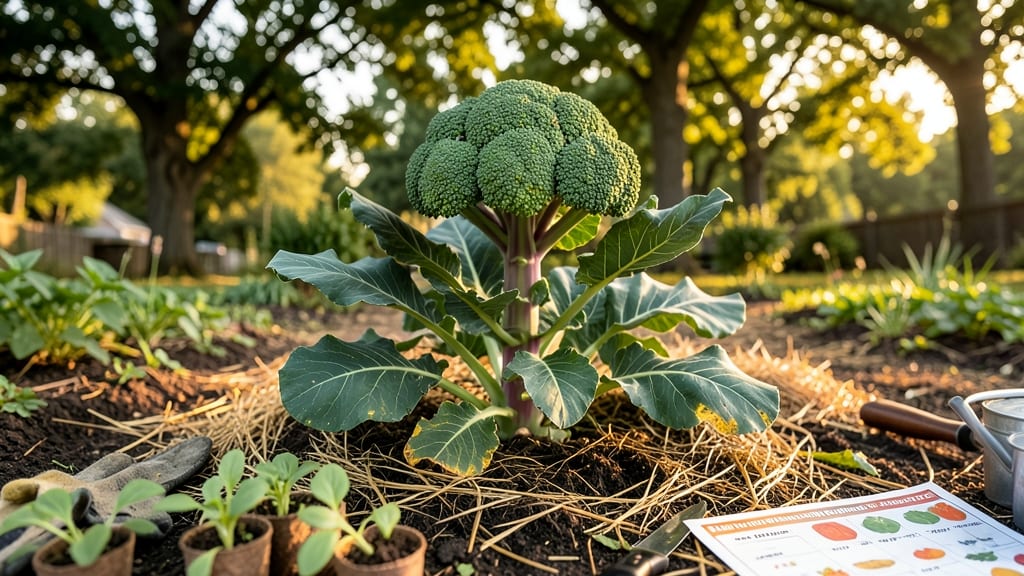
Planting fall vegetables in Zone 5 might seem tricky, but timing it right can mean the difference between a thriving harvest and a wasted effort.
The key is understanding your local frost dates and choosing the right varieties that love cooler weather—like kale, carrots, and spinach—that actually taste sweeter after a light frost. If you’ve ever missed your spring planting window, don’t worry: fall offers a second chance to grow fresh, nutrient-packed produce.
For Zone 5 gardeners, the best time to plant fall vegetables is 4-6 weeks before your first frost, typically between mid-August and early September. This gives your plants enough time to mature before winter sets in.
But here’s the catch: planting too early can lead to bolting (those bitter-tasting greens), while waiting too long might leave you with stunted crops. Let me walk you through the exact steps to get it right—so you can enjoy a bountiful harvest from September straight through November.
You don’t need a green thumb to succeed—just a little preparation. We’ll cover everything from soil amendments to companion planting, so your fall vegetables thrive even as temperatures drop. Whether you’re a beginner or a seasoned gardener, these tips will help you maximize your yield and avoid common pitfalls.
Ready to turn your garden into a fall feast? Let’s get started.
The secret to fall gardening lies in working with the season, not against it. Cold-hardy vegetables like broccoli and lettuce actually prefer cooler weather, and with the right timing, you’ll have fresh, homegrown food right up until the first hard frost.
I’ll show you how to plan your planting schedule, troubleshoot issues, and keep your garden productive well into winter. No more wasted seeds or disappointed harvests—just delicious, homegrown goodness.
Optimal planting dates for fall vegetables in Zone 5 by type
Fall gardening in Zone 5 is all about timing—plant too early, and your crops bolt; too late, and frost ruins them. The key is sowing 4-6 weeks before your first frost (typically mid-August to early September), when soil temps drop to 60-70°F for germination.
I’ve broken down the best planting windows by vegetable type, including frost tolerance thresholds and soil temperature needs to maximize your harvest.
For leafy greens like spinach and lettuce, aim for late August to early September—they thrive in cooler temps and can handle light frosts. Root vegetables, such as carrots and beets, need 60-70°F soil to sprout, so plant them by mid-August. Brassicas like kale and broccoli are the most frost-tolerant; they can even survive 20°F temps, so you can start them as early as late July for a fall harvest.
| Vegetable Type | Best Planting Window | Soil Temp for Germination | Frost Tolerance | Harvest Time |
|---|---|---|---|---|
| Leafy Greens (Spinach, Lettuce, Swiss Chard) | Late August - Early September | 50-70°F | 25-30°F (light frost) | October - November |
| Root Vegetables (Carrots, Beets, Radishes) | Mid-August - Late August | 60-70°F | 20-25°F (hard frost) | September - October |
| Brassicas (Kale, Broccoli, Cabbage) | Late July - Early August | 50-60°F | 20°F (survives hard frost) | October - November |
| Herbs (Parsley, Cilantro, Dill) | Late August - Early September | 55-65°F | 25°F (light frost) | September - October |
| Peas & Beans (Sugar Snap, Shelling) | Early August - Mid-August | 60-70°F | 25°F (light frost) | September - October |
If you’re planting seeds, focus on direct sowing in the garden—transplants can struggle with the transition. Use row covers or cold frames to extend the season for heat-sensitive crops like peppers or tomatoes, but these are better suited for spring planting in Zone 5.
For herbs, parsley and cilantro thrive in cooler temps, while basil should be planted earlier in the season.
Soil temperature is critical for germination. Use a soil thermometer to monitor—most fall veggies need 50-70°F to sprout. If your soil is too warm (above 75°F), wait a few weeks or use shade cloth to cool it down.
I’ve found that amending soil with compost before planting improves drainage and helps retain moisture, which is especially important as fall rains become unpredictable.
For extended harvests, succession plant radishes or lettuce every 2 weeks from late August through September.
These fast-growing crops ensure you have fresh greens even as temperatures drop. Kale and spinach, however, taste sweeter after frost, so don’t rush to harvest them—let them sit until 2-3 weeks before hard frost for the best flavor.
Watch for early signs of frost, like white frost on grass or car windows.
If a frost is forecasted, cover tender crops like lettuce or spinach with row covers or old blankets. Brassicas and root vegetables can handle frost, but avoid heavy frost that can damage leaves or freeze soil.
I’ve learned the hard way that overwatering before frost can lead to root rot, so reduce watering as temps drop.
Don’t forget to mulch around plants with straw or leaves to insulate roots and protect against temperature swings. This also suppresses weeds and retains soil moisture. For container gardening, use heat-retaining pots and move them to sheltered spots as nights get colder.
I’ve had great success with microgreens in containers—just keep them near a sunny window or under grow lights.
If you’re new to fall gardening, start with easy-to-grow crops like radishes, lettuce, or kale. These are forgiving and give you confidence to experiment with more delicate varieties later.
And remember, Zone 5’s fall season is shorter than spring, so prioritize fast-maturing varieties and keep a planting journal to track what works best in your microclimate.
With the right timing and care, your fall garden
Cold-hardy vegetables that thrive in Zone 5’s fall climate
Zone 5’s crisp fall air is perfect for growing cold-hardy vegetables that not only survive but thrive after the summer heat. These varieties actually taste sweeter after a light frost, making them ideal for extending your harvest into late fall.
My top picks include kale, spinach, carrots, radishes, and Swiss chard, all of which tolerate temperatures down to 20°F or lower without much fuss.
When selecting seeds, look for varieties labeled "cold-tolerant" or "hardy"—these are bred to withstand Zone 5’s chilly nights. For example, 'Winterbor' kale and 'Cherry Belle' radishes are proven performers in my garden, delivering reliable harvests even when frost is on the horizon.
The key is planting them at the right time to ensure they mature before the ground freezes completely.
Here’s what you need to know about timing and care for these frost-resistant stars:
To maximize your fall harvest, mulch around plants with straw or leaves to insulate roots from temperature swings. This simple step can delay frost damage by 2-3 weeks, giving your vegetables extra time to mature. Just be sure to remove mulch before the ground freezes solid to prevent rot.
Don’t forget to harvest regularly—this encourages new growth and prevents bitterness in leafy greens. For root vegetables like carrots and beets, wait until the ground is firmly frozen to pull them, as this sweetens their flavor naturally.
With the right timing and care, your fall garden can be just as productive as your spring one!