
Planting
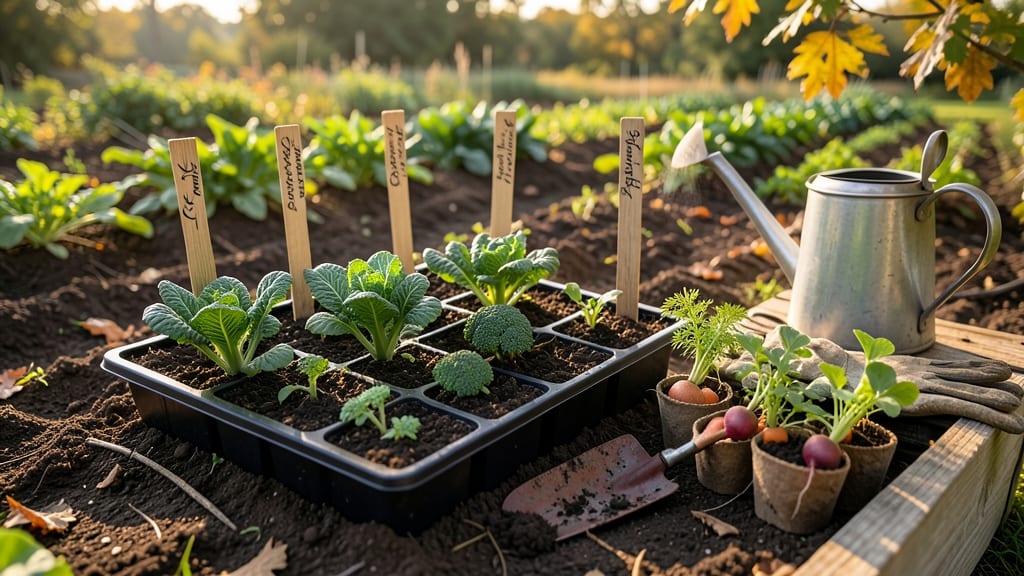
Timing your fall garden in South Texas can feel like a high-stakes game of chance—plant too early, and your greens bolt before they mature; too late, and you miss the sweet spot for maximum harvests.
The key isn't just avoiding frost (which rarely happens here) but reading the heat and soil shifts that make August through October the perfect window for Fall Garden Vegetables (General) 🌱.
Most gardeners assume "fall planting" means waiting for cooler weather, but in 9a-10a zones, the real magic happens when soil temperatures dip below 90°F. That shift—often in late summer—signals it's time to prep beds for heat-tolerant crops like malabar spinach or sweet potatoes.
Without this timing, even your most resilient plants will struggle against the lingering summer heat.
What sets South Texas apart is how microclimates play a role: Coastal Bend stays warmer longer than Hill Country, while the Rio Grande Valley can keep growing nearly year-round.
I'll break down exactly when to plant each zone's top crops, plus how to adjust for your specific patch of land—because a 5-minute difference in timing can mean the difference between a bumper crop and a sad, wilted disappointment.
Ready to stop guessing and start growing? Let's dive into the science behind these planting windows, the crops that thrive here, and the simple tricks to keep your fall garden lush—no matter where you are in South Texas.
South Texas fall planting timeline by microclimate zone
South Texas’s diverse microclimates—from the humid Coastal Bend to the arid Hill Country and the subtropical Rio Grande Valley—create wildly different planting windows for fall gardens.
Unlike northern regions, our long growing seasons and rare frost mean we can grow heat-loving crops like okra and sweet potatoes well into October.
But timing is critical: plant too early, and your leafy greens bolt; too late, and you miss the window for winter squash to mature before cooler temps arrive.
Each zone has its own first frost dates and heat thresholds. The Coastal Bend (Zones 9b-10a) can push planting later, while the Hill Country (Zone 8a-9a) may need earlier starts. The Rio Grande Valley (Zone 10a-11) often escapes frost entirely, allowing for year-round production.
Below, I’ve broken down the optimal planting windows for each zone, including heat-tolerant crops that thrive in our extended warm seasons.
Key rule for all zones: Start planting when soil temperatures drop below 90°F (typically late August to early September). Use a soil thermometer to monitor—this is your best indicator for avoiding bolting in heat-sensitive crops like lettuce and spinach. For heat lovers like Malabar spinach or yam beans, you can plant as late as mid-October in most zones.
| Zone | Planting Window | Heat-Tolerant Crops | Cool-Season Crops | Soil Temp Threshold |
|---|---|---|---|---|
| Coastal Bend (9b-10a) | Late Aug - Mid Oct | Okra, Sweet Potatoes, Malabar Spinach, Yam Beans | Black Seeded Simpson Lettuce, Kale, Carrots, Broccoli | Below 90°F |
| Hill Country (8a-9a) | Early Aug - Early Oct | Okra, Sweet Potatoes, Cowpeas, Black-Eyed Peas | Swiss Chard, Radishes, Turnips, Spinach | Below 85°F |
| Rio Grande Valley (10a-11) | Mid-Aug - Late Oct | Okra, Sweet Potatoes, Eggplant, Peppers | Buttercrunch Lettuce, Cilantro, Green Onions, Collards | Below 88°F |
In the Coastal Bend, where humidity lingers, focus on direct-sown heat lovers like okra and sweet potatoes in late August. These crops handle the 90°F+ soils better than transplants.
For cool-season crops, wait until mid-September to avoid bolting. Black Seeded Simpson lettuce, a bolt-resistant variety, is my go-to for this zone—it thrives even when other greens turn bitter.
The Hill Country’s drier air means you can plant cool-season crops slightly earlier, but be cautious with soil moisture. Mulch heavily with straw or wood chips to retain water and cool the soil. Swiss chard and radishes are excellent choices here—they tolerate 85°F soils better than lettuce.
For heat lovers, cowpeas and black-eyed peas are perfect for late August plantings.
The Rio Grande Valley offers the longest growing season, but its high humidity demands extra care. Plant heat-tolerant greens like Malabar spinach or buttercrunch lettuce in mid-August for a fall harvest. For tomatoes and peppers, use shade cloth during the hottest afternoons to prevent sunscald.
My Century tomatoes always perform best when started in early September—they mature before the rare December chill arrives.
Pro tip: Use shade cloth (30-50%) over cool-season crops planted in late summer to protect them from 100°F+ heat waves. This buys you an extra 2-3 weeks of planting time for crops like spinach or kale.
Pair it with drip irrigation to keep roots cool and moist. I’ve successfully grown bok choy under shade cloth in September when ambient temps hit 95°F.
Don’t overlook succession planting
How to avoid common fall gardening mistakes in South Texas heat
Fall gardening in South Texas is a delicate balance—too early, and your heat-sensitive greens bolt before producing; too late, and unpredictable frosts (yes, they happen!) zap your harvest. The key is understanding microclimate nuances and avoiding these three critical mistakes that derail even the most experienced gardeners.
First, many gardeners assume August is too hot for fall planting, so they wait until September. But in Rio Grande Valley, soil temps can still exceed 90°F in late August, causing seedling shock or stunted growth.
Meanwhile, in Hill Country, cooler nights by early September create ideal conditions for leafy greens—if you plant at the right moment.
⚠️ callout warning
Use a soil thermometer to check depths before planting. Ideal soil temps for fall crops: 70-85°F. In South Texas, this often means waiting until late August (Coastal Bend) or early September (Hill Country).
💡 Pro Tip: Test temps at 2-inch depth—surface temps can be misleading!
Second, water stress is a silent killer in fall gardens. Many assume September showers mean less watering, but evaporative loss spikes when days are still hot while nights cool. I’ve seen tomato plants wilt dramatically overnight due to transpirational pull—even with regular watering.
The fix? Deep watering schedules: soak soil to 12 inches deep every 3-4 days (not daily light sprinkles).
Third, mulching mistakes happen when gardeners use thick straw layers that smother soil instead of insulating it. In South Texas, 2-3 inches of mulch (straw, wood chips, or shredded leaves) helps retain moisture and moderate temps, but too much can trap heat.
Pair mulch with shade cloth (30-50%) over seedlings for the first 2 weeks to protect tender lettuce or kale from midday sun.
Don’t overlook strategic irrigation. Drip systems with evenly spaced emitters deliver water directly to roots, reducing waste. For container gardens, self-watering pots with 1-inch drainage holes prevent root rot while keeping soil consistently moist.
And remember: morning watering (before 10 AM) minimizes fungal risks like powdery mildew, which thrives in South Texas’s humid fall air.
Finally, crop selection makes all the difference. Avoid cool-season staples like broccoli or cauliflower unless you’re in Hill Country elevations. Instead, opt for heat-tolerant varieties like ‘Malabar spinach’ (95°F tolerance) or ‘Century’ tomatoes, which handle 85°F+ soils better than standard types.
Pair these with fast-maturing greens like ‘Black Seeded Simpson’ lettuce (30-day harvest) to beat the first frost.