
Plants
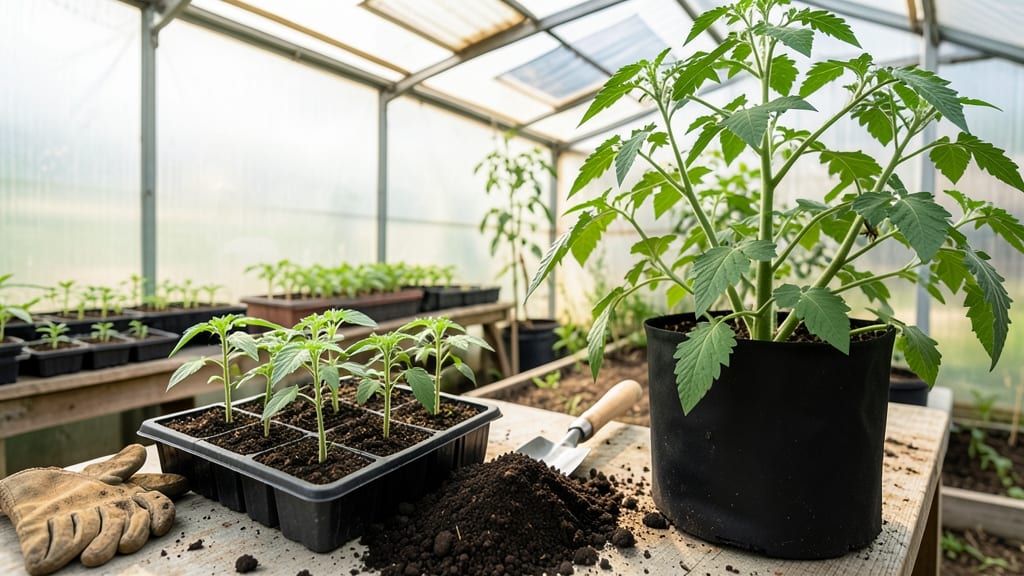
Planting tomato plants 🍅 in a greenhouse at the wrong time can turn your hard work into a frustrating gamble—bolting plants that flower too early and never deliver the sweet, juicy harvest you crave.
The key to success lies in understanding the precise window when your greenhouse environment aligns with your seedlings' needs, whether you're in a chilly Zone 5 or a warm Zone 10.
I’ve learned the hard way that rushing seedlings or delaying too long both backfire. A greenhouse gives you control over temperature and light, but timing still matters—especially if you want to stretch your growing season or start early varieties.
The right schedule prevents leggy, weak plants and ensures they’re strong enough to handle transplanting without stress.
What you’re about to discover isn’t just about dates—it’s about reading your seedlings and greenhouse conditions like a pro. From starting seeds indoors to hardening them off, I’ll walk you through the exact steps to avoid common pitfalls and maximize your yield.
Let’s get those tomatoes thriving from the moment they sprout.
Whether you’re a first-time gardener or a seasoned grower, these insights will help you fine-tune your approach. No more guesswork—just a reliable system to turn your greenhouse into a tomato powerhouse. Ready to plant with confidence?
Greenhouse tomato planting timeline by climate Zone
A greenhouse gives you control over your tomato growing schedule, but timing still matters. Plant too early, and seedlings bolt before fruiting. Too late, and you miss peak production.
The key is aligning your seed-starting indoors with your USDA climate zone and greenhouse microclimate. This schedule prevents bolting while maximizing your harvest window.
Greenhouses extend growing seasons, but temperature fluctuations can still trigger early flowering. For example, USDA Zone 3 growers start seeds 8-10 weeks before last frost, while Zone 10 gardeners may plant year-round with proper heat management. The right timing also depends on your greenhouse type—unheated vs. heated changes everything.
Here’s how to time your tomato planting by zone, including when to start seeds indoors and transplant seedlings for maximum yield without bolting:
For Zone 3-4 growers, the greenhouse’s ability to warm soil faster means you can start seeds earlier than outdoor gardeners. Use grow lights to supplement short winter days and maintain 70-75°F soil temps to prevent bolting. In colder zones, heated seedling trays are a game-changer for speeding up germination.
In Zones 5-8, focus on succession planting—start new batches every 2-3 weeks—to stagger harvests. For example, plant early varieties like 'Stupice' in early April, followed by 'Celebrity' in May. This ensures continuous fruit production through summer and into fall.
Gardeners in Zones 9-10 have the luxury of year-round growing, but heat management is critical. Use shade cloth (30-50%) during peak summer months to prevent sunscald and maintain optimal temps. Fall plantings in these zones can extend harvests into November or December with proper greenhouse ventilation.
Pro tip: Monitor greenhouse temps daily. Tomatoes bolt when nights dip below 55°F or days exceed 90°F. Use ventilation fans and shade cloth to create stable conditions. For example, in Zone 7, open vents when temps hit 80°F to prevent heat stress.
Don’t forget about light intensity. Greenhouses can trap too much heat, reducing light quality. Supplement with LED grow lights during cloudy days, especially in northern zones (3-6) where winter sunlight is weak. Aim for 14-16 hours of light daily for robust seedlings.
Finally, harden off seedlings properly before transplanting. In cooler zones (3-6), spend 1-2 weeks gradually exposing seedlings to outdoor temps. In warmer zones (7-10), focus on humidity control to prevent transplant shock.
With this timeline, you’ll avoid the heartbreak of bolting plants and enjoy homegrown tomatoes for months. Happy growing! 🌱🍅
Key signs your greenhouse tomatoes are ready for transplanting
Transplanting your greenhouse-grown tomato seedlings too early or late can ruin your entire harvest. The key is watching for specific maturity signs in both the plants and their environment.
I’ve learned that rushing seedlings outdoors—even in a greenhouse—often leads to stunted growth or bolting, while waiting too long means missing peak productivity. Let’s break down what to look for before moving those tender plants.
First, focus on the seedling’s physical development. Healthy tomato seedlings should have 4-6 true leaves (not just seed leaves) and a thick, sturdy stem about the diameter of a pencil. The roots should also be crowding the container, signaling they’re ready to stretch into garden soil.
I always check for these signs before considering transplanting, as they indicate the seedling has enough energy to survive the transition.
🌱 When to Transplant Your Greenhouse Tomatoes
- Seedling Height: 6-12 inches tall with 4-6 true leaves
- Stem Thickness: Pencil-sized or thicker (1/4 inch diameter)
- Root System: Roots filling container or sprouting from drainage holes
- Temperature: Greenhouse temps consistently 55°F+ at night
- Sunlight: 6+ hours of direct light daily (supplement if needed)
- Hardening Off: Seedlings hardened for 7-10 days before transplant
Don’t overlook the environmental conditions in your greenhouse. Tomatoes thrive when nighttime temperatures stay above 55°F (13°C), and daytime temps hover around 70-85°F (21-29°C). If your greenhouse gets too cold at night, delay transplanting until temps stabilize.
I’ve had to wait an extra week in cooler zones just to avoid frost damage. Also, ensure your greenhouse receives at least 6 hours of direct sunlight—supplemental grow lights help if natural light is limited.
Another critical sign is how the seedlings respond to hardening off. Gradually expose them to outdoor conditions (wind, sun, temperature fluctuations) for 7-10 days before transplanting. Start with a few hours daily and increase exposure.
If seedlings wilt or look stressed during this process, they’re not ready yet. I once skipped hardening off and lost half my seedlings to shock—never again!
Finally, pay attention to the tomato variety’s maturity timeline. Early varieties (like ‘Early Girl’) can handle transplanting sooner, while heirlooms (like ‘Brandywine’) need more time to develop.
Check the seed packet for days to maturity and adjust your transplant window accordingly. For example, I plant my heirlooms 2-3 weeks later than hybrids to avoid bolting.
When all these signs align—mature seedlings, stable greenhouse temps, and proper sunlight—your tomatoes are ready to thrive outdoors. Transplant on a cloudy day or late afternoon to reduce stress, and watch your greenhouse-grown babies flourish in their new home.
The payoff? A bumper crop of tomatoes that’ll make your neighbors jealous! 🍅