
Plants
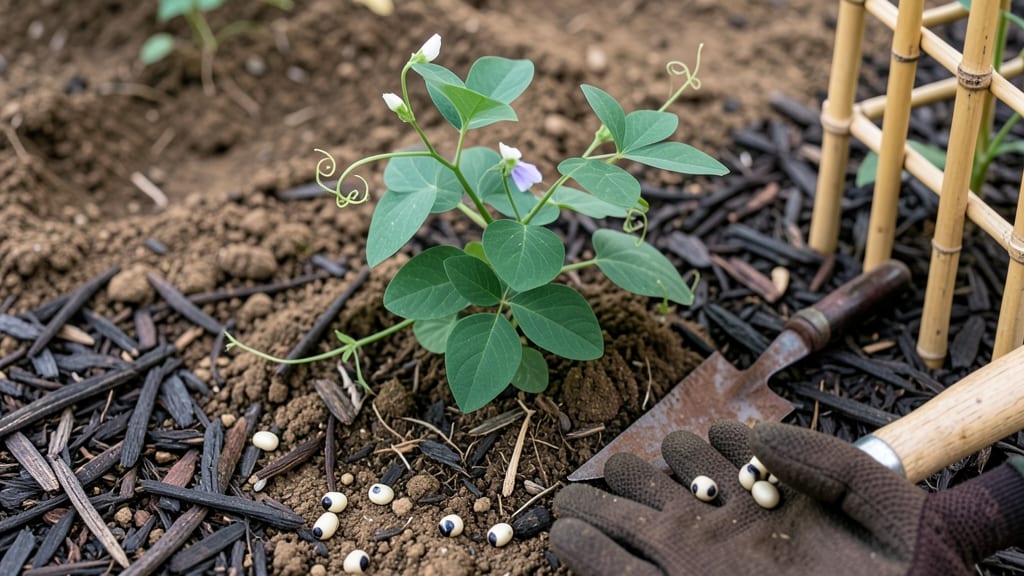
Planting black-eyed peas in Texas isn’t just about timing—it’s about beating the heat and frost to get those sweet, tender pods 🌱. Whether you're in North Texas or the Rio Grande Valley, getting the dates wrong means either freezing temps or wilting vines before harvest.
The key is knowing your local frost dates and soil temps to lock in a 60-day growing window that works with Texas’s unpredictable swings.
I’ve grown black-eyed peas across Heat Zones 8a-9b, and the difference between a thriving patch and a failed crop often comes down to those first few weeks. Too early? Frost will blacken your leaves.
Too late? The summer sun will turn your plants into crispy snacks. But with the right strategy, you can time your planting to avoid both disasters—and end up with a garden full of homegrown goodness.
In this guide, I’ll break down the exact planting windows for spring and fall in Texas, including how to adjust for your specific region. You’ll learn when to start seeds indoors (if you’re ambitious), how to prep your soil for Texas’s clay-heavy dirt, and which companion plants keep pests away.
No more guessing—just a foolproof plan for a harvest that’ll make your neighbors jealous.
Ready to turn your Texas garden into a black-eyed pea powerhouse? Let’s dive into the dates, tips, and tricks that’ll have you picking fresh pods in May or November—no matter where you are in the Lone Star State.
Optimal black eyed pea planting dates in Texas heat zones 8a-9b
Texas gardeners know timing is everything—plant black-eyed peas too early, and frost will ruin them; too late, and the scorching heat cuts yields short. The key to success lies in understanding your USDA Heat Zone and aligning planting with soil temperatures and frost-free windows.
In Zones 8a-9b, these windows shift slightly, offering two prime opportunities for planting: late winter/early spring and early fall.
For Zone 8a, where frost lingers slightly longer, aim for late February to early March for spring plantings. In Zone 9b, where frost is rare, you can start as early as mid-February or even late January in sheltered microclimates.
Both zones share a critical rule: wait until soil temperatures reach 60°F before sowing seeds directly into the ground.
To calculate your exact last frost date, use the USDA Plant Hardiness Zone Map for your Texas county. For example, North Texas (Zone 8a) typically sees its last frost around February 15, while Central Texas (Zone 8b) averages February 28.
South Texas (Zone 9b) rarely experiences frost, making early February a safe start for spring plantings.
Here’s the golden rule: Plant black-eyed peas 4-6 weeks before your last frost date for spring harvests. For fall plantings, aim for 8-10 weeks before your first frost date. This timing ensures pods mature before cold snaps or summer heat stress sets in.
| Zone | Last Frost Date | Spring Planting Window | Fall Planting Window | Soil Temp Requirement |
|---|---|---|---|---|
| 8a (North Texas) | February 15 | Late February - Early March | September 15 - October 1 | 60°F+ |
| 8b (Central Texas) | February 28 | Mid-February - Early March | September 1 - September 15 | 60°F+ |
| 9a (South-Central Texas) | March 1 | Late January - Mid-February | August 15 - September 1 | 60°F+ |
| 9b (Far South Texas) | March 15 | Late January - Early February | August 1 - August 15 | 60°F+ |
If you’re unsure about your exact last frost date, check the Texas A&M AgriLife Extension website or use the USDA Plant Hardiness Zone Map. For instance, Dallas (Zone 8a) has a later frost date than San Antonio (Zone 8b), so adjust accordingly.
Pro tip: Plant a test row 2 weeks earlier than your calculated window to gauge soil warmth.
For fall harvests, focus on planting between late August and early October. This timing ensures pods mature before first frost dates, which range from November 15 in North Texas to December 15 in South Texas.
In Zone 9b, you can even extend this window into early November for late-season harvests.
Black-eyed peas thrive in 60-80°F soil temperatures, so avoid planting in hotter-than-90°F conditions, which can stress seedlings. Use a soil thermometer to monitor temperatures, especially in Zone 9b, where summer heat arrives early.
If soil temps exceed 85°F, opt for shade cloth or wait until evening to plant.
To maximize yields, pair your planting timeline with companion planting. For example, grow black-eyed peas alongside okra or sweet potatoes to improve soil health and deter pests. In Zone 8a, where nights can still chill, use row covers for early plantings to protect tender seedlings from unexpected frost.
Remember, Texas heat zones create microclimates. If you live in a valley or low-lying area
How to extend your black eyed pea growing season in Texas heat
Texas summers can turn your black-eyed peas into sad, wilted shadows if you don’t act fast. The key to success? Strategic timing and smart shade solutions. Since black-eyed peas thrive in cooler weather, we need to trick Mother Nature into giving us a second chance for a fall harvest.
Start by planting your second crop no later than early September—this gives your plants a full 60 days to mature before the first frost hits.
For those scorching 100°F+ days, I swear by 30-40% shade cloth draped over your peas. It keeps the soil cooler and prevents the plants from bolting too quickly. Just remember to remove it by mid-afternoon to let them soak up those golden rays for photosynthesis.
Think of it like giving your peas a cooling hat during the hottest part of the day.
🌱 5 Proven Ways to Beat Texas Heat for Black-Eyed Peas
- 1. Mulch like a pro: Use 2-3 inches of straw or wood chips to keep soil temps down and moisture locked in. This is a game-changer for Texas’s heavy clay soils.
- 2. Water at dawn only: Avoid evening watering—it invites fungal diseases like powdery mildew. Stick to deep watering in the morning to encourage strong root growth.
- 3. Choose heat-tolerant varieties: Look for ‘Purple Hull’ or ‘Crowder’—these hold up better in Texas heat than delicate heirlooms.
- 4. Succession plant every 2 weeks: Start new rows in late August, early September, and mid-September to stagger harvests through November.
- 5. Companion plant smartly: Pair with basil, radishes, or cucumbers to deter pests and improve air circulation around your peas.
Don’t underestimate the power of companion planting either. I’ve seen black-eyed peas paired with marigolds cut down on aphid problems by 70%. The marigolds release a scent that pests can’t stand, while the peas benefit from their natural pest-repelling properties.
It’s like having a tiny, edible security system in your garden!
If you’re in South Texas (Zone 9b), you’ve got even more flexibility. You can push your fall planting into mid-October and still harvest before the first frost.
Just monitor your local weather—sometimes those Tejas Tacos of heat linger longer than expected. Use a soil thermometer to confirm temps stay above 60°F for consistent germination.
For those late-summer plantings, trellising is your best friend. Vining varieties like ‘Texas Cream’ grow 2 feet tall and benefit from vertical support. This keeps the foliage off the scorching ground and improves airflow, reducing disease risk.
Plus, it saves space—perfect for small urban gardens in cities like Austin or San Antonio.
Remember: Patience is key. Black-eyed peas grown in Texas heat might take 10-15% longer to mature than in cooler climates. But with these tricks, you’ll still get a harvest—just maybe a little later than your neighbors.
And hey, that just means you’ll be the first to enjoy fresh, homegrown black-eyed peas at your Thanksgiving table! 🦃