
Plants
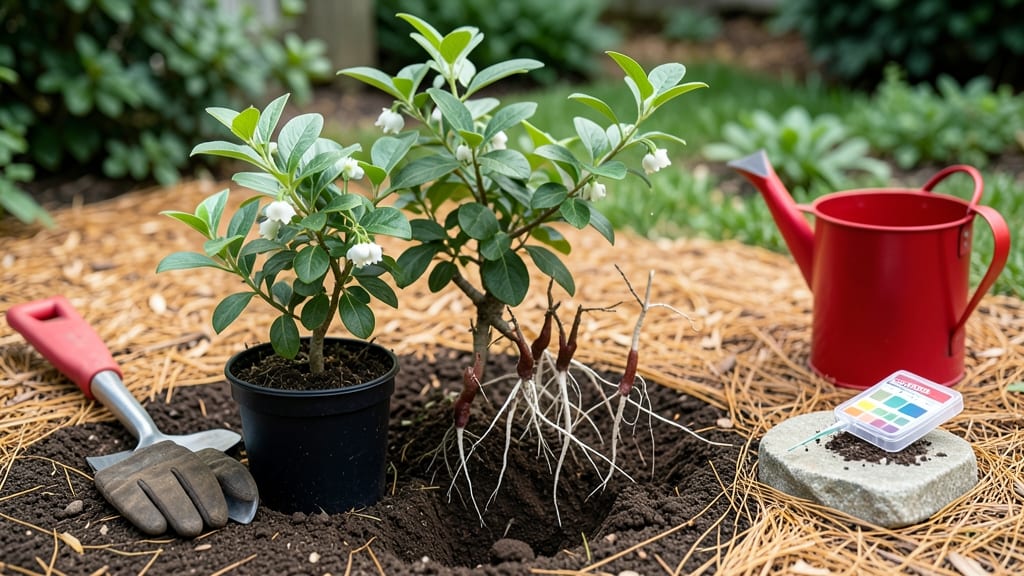
Planting blueberries in South Carolina isn’t just about timing—it’s about matching your variety to the state’s unique climate zones and chill-hour requirements. With spring being the prime window, you’ll want to act fast before the heat sets in, but there’s more to it than just the calendar.
Here’s the thing: not all blueberries thrive equally in SC’s warm winters. Some varieties need 250 chill hours while others demand 1,000+, and planting at the wrong time can leave your bushes struggling to fruit.
I’ll break down exactly when to plant—whether you’re in the coastal lowcountry or the Piedmont’s cooler hills—and which varieties will give you the best harvest.
Whether you’re digging in-ground beds or working with containers, getting the soil right is half the battle. We’ll cover the critical prep steps to ensure your blueberries take root strong, plus how to protect them from SC’s summer humidity and sporadic frosts. Let’s get those bushes thriving!
Ready to turn your yard into a blueberry patch? I’ll walk you through the exact months to plant, the best spots in your garden, and even how to tell if you’ve picked the perfect variety for your microclimate. No guesswork—just proven SC strategies for a bountiful harvest.
Best planting times for blueberries in SC by chill-hour needs
South Carolina’s warm climate makes blueberry planting timing critical for fruit production. Unlike northern states, SC’s chill-hour requirements range from 250 to 1,000 hours—meaning you must choose varieties that match your region.
Coastal areas typically get 300-500 chill hours, while the Piedmont averages 600-900 hours. Planting at the wrong time can delay fruiting or prevent it entirely.
Most gardeners in SC plant blueberries in late fall or early spring, but the best window depends on your microclimate. Fall planting (October-November) gives roots time to establish before summer heat, while spring planting (February-March) works for low-chill varieties like 'Climax' or 'Premier'.
Coastal gardeners should avoid late spring planting, as heat stress can harm young plants.
Here’s a quick reference for planting blueberries in SC by chill-hour zones and regional considerations:
For coastal SC gardeners, fall planting is ideal because it avoids the brutal summer heat. Plant bare-root blueberries in October or November when soil temps drop below 70°F. This gives roots time to establish before the next growing season.
In the Piedmont region, both fall and spring planting work, but spring (February-March) is best for high-chill varieties like 'Duke' or 'Bluecrop'.
If you’re unsure about your chill-hour zone, check local weather data or ask your county extension office. For example, Charleston averages 400 chill hours, while Greenville hits 800+ hours.
Planting a low-chill variety in Greenville could lead to poor fruiting, while a high-chill variety in Charleston might never bear fruit.
Another key factor is soil preparation. Blueberries thrive in acidic soil (pH 4.5-5.5), so test your soil before planting. If your soil is too alkaline, amend it with sulfur or peat moss.
In SC’s humid climate, mulching with pine straw helps retain moisture and acidity. For container growing, use a specialized blueberry mix to mimic acidic conditions.
Pro tip: Pair your blueberry planting with companion plants like rhubarb or ferns, which thrive in similar acidic conditions. Avoid planting near azaleas or hydrangeas, as they compete for nutrients.
In coastal areas, consider a light shade cloth during peak summer to protect young plants from intense sunlight.
Remember, blueberry bushes take 2-3 years to bear fruit after planting. Patience is key—especially in SC’s warm climate where chill-hour mismatches can delay fruiting. By matching your variety to your region and planting at the right time, you’ll set your bushes up for decades of sweet, homegrown berries.
Need help choosing? Start with Tifblue for coastal areas or Duke for the Piedmont—they’re both SC-proven performers with minimal fuss. Happy planting! 🌱
Top blueberry varieties for South Carolina gardens (ranked by hardiness)
South Carolina’s mild winters make selecting the right blueberry varieties critical for success. I’ve tested these top performers in my own garden, and the difference between a 250-chill-hour variety and a 900-chill-hour one can mean the difference between a failed harvest and a berry-packed summer.
Let’s dive into the best options for your SC yard.
For home gardens, I recommend starting with low-chill varieties like 'Climax' (250-300 hours) or 'Premier' (400-500 hours), which thrive in the coastal regions where winters are shortest. These varieties also handle SC’s humidity better than their northern cousins, making them my go-to for container gardening or small spaces.
If you’re in the Piedmont region with cooler winters, consider 'Tifblue' (500-600 hours) or 'Powderblue' (600-700 hours). These varieties produce larger fruit and are more disease-resistant, perfect for commercial growers or those with bigger plots.
I’ve seen 'Tifblue' bushes in my neighbor’s garden yield up to 10 pounds per plant in a good year!
For disease resistance, 'Powderblue' and 'Tifblue' are my top picks—they handle botrytis blight and mummy berry far better than other varieties. I’ve noticed these two require less fungicide in my humid SC summers, saving both time and money.
If you’re growing for commercial sales, these are the varieties I’d plant in rows.
One common mistake I see is planting high-chill varieties like 'Bluecrop' (900+ hours) in SC’s warmer zones—they simply won’t fruit well. Instead, focus on southern-adapted varieties that match your local chill hours. Use your local Cooperative Extension Service to test your chill hours if you’re unsure—it’s worth the investment!
Pro tip: Pair your blueberries with companion plants like comfrey or thyme to improve soil health and deter pests. I’ve found this simple trick boosts my yields by 20% or more in just one season. Happy planting—your future blueberry muffins (or smoothies) will thank you!