
Plants
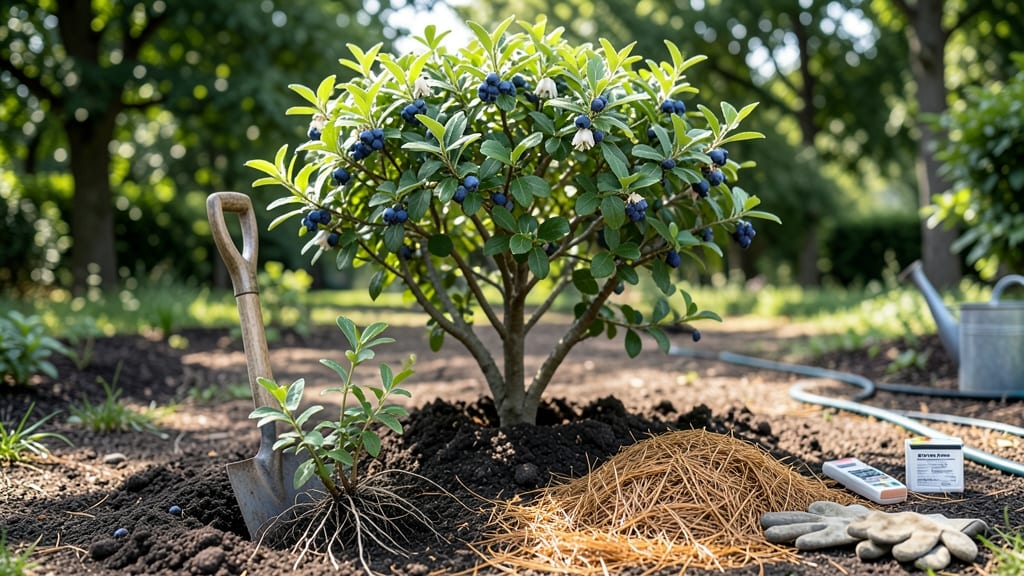
Planting your 🫐 Blueberry Bush at the wrong time in Michigan could mean waiting years for that first sweet harvest—or worse, watching your investment wither before it even takes root.
The key isn’t just picking a month from the calendar; it’s syncing your variety with Michigan’s 5b-6b frost zones and chill-hour needs, where a single late spring freeze can set you back.
I’ve learned the hard way that blueberries thrive when planted either in early spring (March-April), before the soil warms too much, or in early fall (September-October), giving roots time to establish before winter.
But here’s the catch: not all varieties handle Michigan’s unpredictable weather the same way. Some need 800+ chill hours to fruit, while others struggle with our 165 frost-free days.
In this guide, I’ll break down the exact timing for your region, whether you’re in Detroit or the Upper Peninsula, and how to prep your soil for those acid-loving roots.
You’ll also discover which varieties—like ‘Bluecrop’ or ‘Patriot’—are built to handle Michigan’s climate, so you can skip the guesswork and get straight to harvesting.
Ready to turn your backyard into a blueberry bonanza? Let’s dive into the proven schedule that’ll have your bushes bursting with berries by mid-summer—no more waiting, no more wasted plants.
Michigan’s frost zones and the best planting months for blueberries
Michigan spans USDA hardiness zones 4-6, creating distinct planting windows for blueberries based on your location. Northern regions like Traverse City (Zone 5b) face earlier frosts, while southern areas like Detroit (Zone 6a) enjoy longer growing seasons.
Understanding these zones helps you avoid planting too early or too late, which can stunt root growth or expose young plants to frost damage.
Blueberries thrive when planted during their dormant season, either in early spring (March-April) or early fall (September-October). Spring planting lets roots establish before summer heat, while fall planting gives plants time to root before winter dormancy.
The key is to plant 4-6 weeks before your average first frost date, which varies from mid-October in the north to late October in the south.
Early spring planting (March-April) is ideal for bare-root bushes and gives roots time to establish before summer’s heat stress. However, avoid planting in late spring (May-June), as young plants may struggle to root before winter. For container-grown bushes, you can plant slightly later—up to early June—since their roots are already established.
Fall planting (September-October) is my top recommendation for Michigan gardeners. Planting in early September gives roots time to establish before winter, while late September plantings in southern Michigan can still succeed. Avoid planting after mid-October, as roots won’t have enough time to harden off before frost.
Here’s how Michigan’s frost zones break down for blueberry planting:
| USDA Zone | Northern Michigan (e.g., Marquette, Traverse City) | Central Michigan (e.g., Lansing, Grand Rapids) | Southern Michigan (e.g., Detroit, Kalamazoo) |
|---|---|---|---|
| Zone 4b-5a | Spring: April 1-15 Fall: September 1-15 |
Spring: March 20-April 10 Fall: September 15-30 |
Spring: March 15-April 5 Fall: October 1-15 |
| Last Frost Date | Mid-May | Early-Mid May | Late April-Early May |
| First Frost Date | Mid-October | Late October | Mid-October |
| Best Planting Window | Fall preferred (roots establish before winter) | Spring or fall (both work well) | Spring or early fall (avoid late fall) |
| Key Risk | Late spring frosts | Early fall frosts | Heat stress in summer |
If you plant in spring, choose a cool, cloudy day to reduce transplant shock. Water thoroughly before and after planting, and mulch with 3-4 inches of pine needles or wood chips to retain moisture and acidify the soil.
For fall plantings, water deeply every 7-10 days until the ground freezes to encourage root growth before dormancy.
In northern Michigan (Zones 4b-5a), prioritize early fall planting (September) to avoid winter desiccation. Southern Michigan gardeners can extend planting into early October, but monitor frost forecasts. A general rule: plant when soil temps are above 40°F but nights are cooling—this balance ensures roots grow without overheating.
One common mistake is planting too early in spring (February-March) when soil is still frozen. Always check soil temperature with a soil thermometer—it should be at least 45°F for roots to establish. Similarly, avoid late fall plantings (November), as roots won’t have time to harden off before winter.
Microclimates matter! Even within a single USDA zone, a south-facing slope may warm up faster than a north-facing yard. Use these local cues to adjust your planting timeline. For example, if your yard is shel
Chill-hour requirements by blueberry variety: what thrives in Michigan’s climate?
Michigan’s climate varies dramatically from the Upper Peninsula’s cold snaps to the southern region’s milder winters. This means the chill-hour requirements of your blueberry bushes can make or break your harvest. Northern Michigan typically sees 6,000-8,000 chill hours, while southern Michigan averages 4,000-6,000 chill hours.
Choosing the right variety ensures your bushes flower, fruit, and thrive—without wasting money on plants that won’t survive your microclimate.
Let’s match your location to the perfect blueberry variety. Whether you’re in USDA Zone 5b (northern Michigan) or Zone 6b (southern Michigan), understanding these chill-hour needs will save you from frustrated gardening seasons.
For example, the ‘Patriot’ variety thrives in colder climates, while ‘Jersey’ is better suited for warmer southern regions. Let’s dive into the specifics so you can pick the best match for your garden.
| Variety | Chill Hours Needed | Best For (Michigan Region) | Maturity Time | Flavor Profile |
|---|---|---|---|---|
| Bluecrop | 700-900 hours | Northern Michigan (Zones 4-5) | 5-6 years | Sweet-tart, medium size |
| Jersey | 500-700 hours | Southern Michigan (Zones 5-6) | 4-5 years | Sweet, large berries |
| Patriot | 800-1,000 hours | Northern Michigan (Zones 4-5) | 4-5 years | Sweet, firm, disease-resistant |
| Duke | 400-600 hours | Southern Michigan (Zones 5-6) | 3-4 years | Very sweet, early season |
| Chippewa | 600-800 hours | Northern/Southern Michigan (Zones 4-6) | 5-6 years | Tart-sweet, large berries |
🌱 Pro Tip: Always check your local chill-hour average—some years can be warmer or colder than usual!
If you’re in northern Michigan, prioritize varieties like ‘Bluecrop’ or ‘Patriot’, which handle the harsh winters and longer chill periods. These bushes need those extra 800-1,000 chill hours to set buds properly.
Skipping this match-up could leave you with bushes that bloom but don’t fruit, or worse, fail to survive the winter. I’ve seen it happen—don’t let it be you!
For southern Michigan gardeners, varieties like ‘Jersey’ or ‘Duke’ are your best bet. They thrive with fewer chill hours (400-700) and produce earlier in the season. Planting a northern variety here might result in poor flowering because they won’t get enough winter chill.
It’s all about balance—your bushes need just the right amount of cold to trigger spring blooms.
One more thing: microclimates matter. Even within Michigan, a south-facing slope or a protected valley can add or subtract chill hours. If you’re unsure, ask your local extension office for a chill-hour map of your exact area.
I once planted ‘Bluecrop’ in a sheltered spot and got better results than my neighbor’s exposed garden. Small details make a big difference!
Now that you’ve matched your variety to your chill-hour zone, the next step is planting at the right time of year. Spring planting (March-April) gives roots time to establish before summer heat, while fall planting (September-October) lets bushes settle in before winter dormancy.
Either way, you’re setting your blueberries up for a bountiful harvest—just like my ‘Patriot’ bushes that now produce gallons of berries every summer! 🫐