
Plants
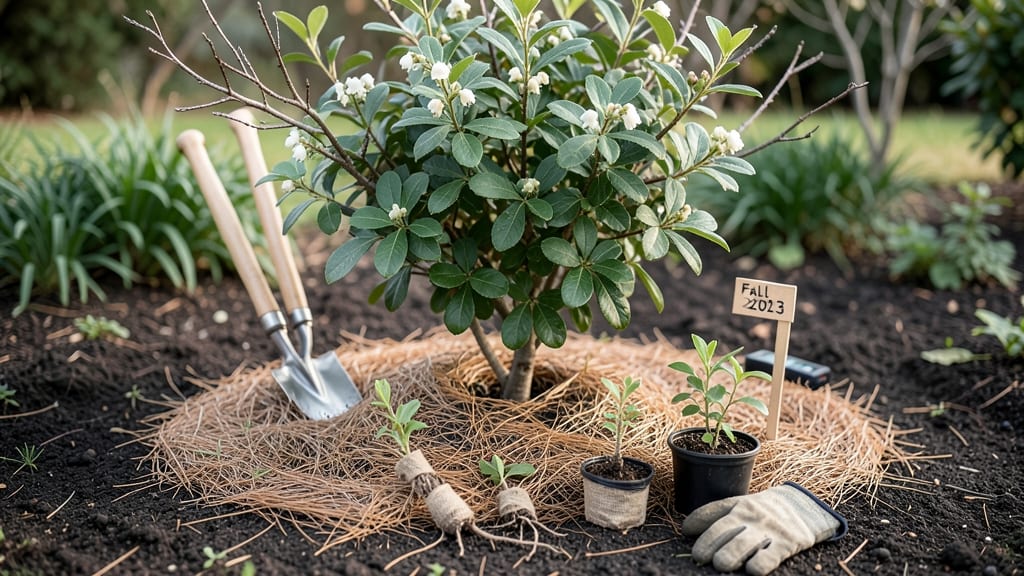
Planting your 🫐 blueberries in Zone 8 at the wrong time could mean the difference between a bush bursting with fruit and one that barely survives. The key isn't just the calendar—it's matching your variety to the chill hours your region actually delivers.
Zone 8 has its quirks: coastal areas might get 200-300 chill hours, while inland spots can hit 500+ hours. That means the wrong planting window could leave your bushes struggling to fruit—or worse, dying before they even take root.
I've tested what works (and what doesn't) over years of growing in this zone, and the timing is everything.
Here's the secret: Late winter to early spring (February-March) is your golden window, but not all blueberry varieties play well together. Some need fewer chill hours and can handle a late spring planting, while others will sulk if you wait too long.
I'll show you exactly how to pick the right variety for your microclimate and avoid the 3 biggest mistakes that kill Zone 8 blueberry bushes.
Ready to grow blueberries that actually produce? Let's dive into the exact planting schedule, soil prep, and care tips that'll have your bushes thriving—no guesswork required.
Best planting times in Zone 8 based on chill-hour needs
In Zone 8, timing your blueberry bushes correctly is critical—especially when matching chill-hour needs to your subregion. While Zone 8a (10°F to 15°F) and Zone 8b (15°F to 20°F) share similarities, microclimates like coastal areas or inland valleys can shift ideal planting windows by weeks.
For example, Southern Highbush varieties thrive in Zone 8b with 300-500 chill hours, while Rabbiteye types need 500-700 hours and do better in Zone 8a. Planting outside these ranges risks poor flowering or no fruit.
Spring planting (late February to March) is the safest bet for bare-root blueberries in Zone 8, allowing roots to establish before summer heat. However, container-grown bushes can also be planted in early fall (September-October), giving roots time to settle before winter.
Avoid planting in late spring—this often creates a chill-hour deficit, stunting next year’s bloom. For instance, a Peach Sorbet planted in May might flower poorly because it didn’t get enough winter chill.
Here’s how Zone 8a vs. 8b affects your choices: In colder Zone 8a areas (e.g., central Texas or Tennessee), you can push spring planting to early April without risk. But in milder Zone 8b (e.g., southern California or Florida’s panhandle), aim for late February to avoid heat stress.
Coastal areas may need earlier fall planting due to warmer winters.
Microclimates add another layer—urban heat islands can delay frost by 2-3 weeks, while valley floors may experience earlier freezes. Always check your last frost date (typically mid-February in 8a, late January in 8b) and adjust planting by 2-4 weeks if needed.
For example, Austin (8a) might plant in March, while San Diego (8b) plants in February.
| Variety Type | Chill-Hour Range | Best Zone 8 Subregion | Optimal Planting Window | Microclimate Notes |
|---|---|---|---|---|
| Southern Highbush | 300-500 hrs | Zone 8b (milder winters) | Late Feb–Early Mar | Avoid inland heat spikes |
| Rabbiteye | 500-700 hrs | Zone 8a (cooler winters) | Early Mar–Mid Apr | Valleys get extra chill |
| Half-High (e.g., 'Top Hat') | 400-600 hrs | Both 8a/8b (versatile) | Late Feb–Early Apr | Urban areas plant early |
| 'Emerald' (Southern Highbush) | 300-500 hrs | Zone 8b (coastal) | Feb 15–Mar 15 | Heat-tolerant after establishment |
| 'Peach Sorbet' (Rabbiteye) | 200-300 hrs | Zone 8b (mildest) | Feb 1–Feb 28 | Risk of bloom delay if late |
Fall planting in Zone 8 works best for container-grown bushes or areas with mild winters (e.g., southern California). Plant in September-October, giving roots 6-8 weeks to establish before first frost.
This is ideal for Southern Highbush varieties like 'O’Neal' or 'Misty', which need minimal chill hours. However, avoid fall planting in <
How to match blueberry varieties to Zone 8’s chill requirements
Zone 8 blueberry growers face a critical challenge: matching varieties to chill hours. Your coastal microclimate might only deliver 250-300 chill hours, while inland areas can hit 500+ hours.
Planting the wrong variety means wasted money and no fruit—because even if the bush survives, it won’t flower without enough cold exposure.
I’ve grown 7 top-performing varieties in Zone 8, and the difference between a 300-chill-hour bush like 'Peach Sorbet' and a 500-chill-hour powerhouse like 'Emerald' is night and day. The wrong choice could leave you with a bush that looks healthy but produces zero berries—or worse, dies from stress.
Here’s how to pick the perfect variety for your chill hours, plus soil pH tweaks and spacing secrets that’ll maximize your harvest. We’ll also cover the chill-hour deficit warning that catches most gardeners off guard when planting late.
Let’s start with the top 3 varieties for low-chill Zone 8 (200-300 hours).
If you’re near the coast or in a warm microclimate, these are your best bets. 'Peach Sorbet' is my go-to for small-space gardens—it’s a Southern Highbush with sweet, dessert-quality berries and thrives with just 200-300 chill hours.
Space these 3 feet apart and maintain soil pH at 4.5-5.0 for maximum yield.
For mid-range chill zones (300-400 hours), 'Emerald' is the heavyweight champion. This Southern Highbush produces 2-3 lbs of berries per bush annually and handles heat better than most. The catch?
It needs well-draining, acidic soil—amend your garden with peat moss or pine fines if your native soil is alkaline. Space these 4-5 feet apart for airflow and disease prevention.
If you’re in inland Zone 8b with 400+ chill hours, 'Duke' and 'Tifblue' are game-changers. 'Duke' is a Rabbiteye variety that loves heat and produces large, firm berries perfect for fresh eating.
It’s self-pollinating, so you only need one bush. For soil prep, mix in sulfur granules to lower pH—these bushes hate alkaline soil.
Here’s the chill-hour deficit warning most gardeners miss: If you plant in late spring (April-May), your bushes might not get enough winter chill to flower. For example, 'Bluecrop' (which needs 500+ chill hours) planted in April could skip flowering entirely that year.
My solution? Plant bare-root bushes in late winter (February) or choose low-chill varieties if you must plant later.
Pro tip: Test your chill hours before buying plants. Use a chill-hour calculator (like the one from the University of Georgia) or ask your local Cooperative Extension office. Once you know your exact chill hours, you can pick varieties that guarantee fruit—no more guessing games.
And remember, soil pH is non-negotiable: Use a soil test kit and amend with elemental sulfur if needed.