
Planting
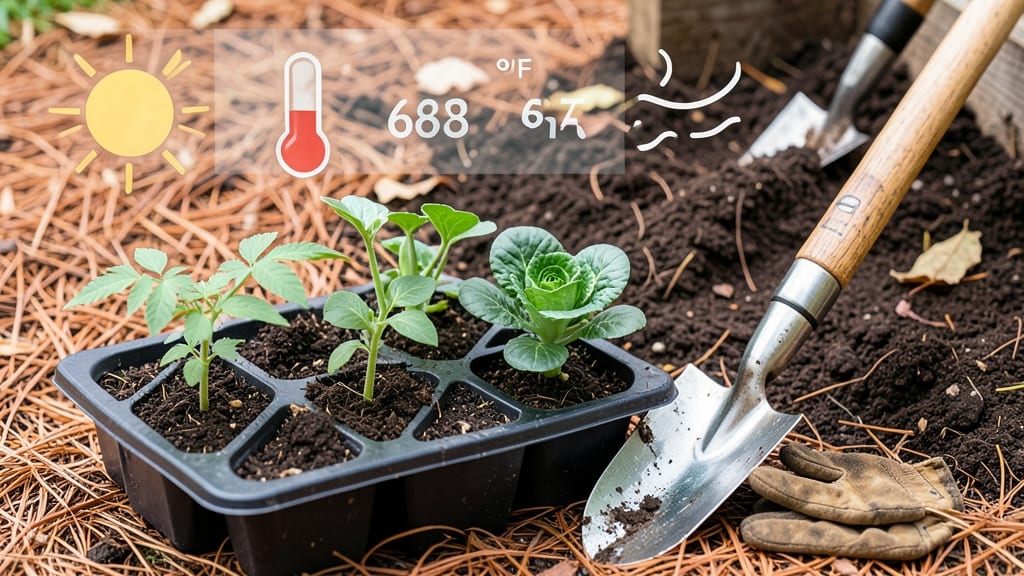
Timing when to plant a garden in South Carolina isn’t just about seasons—it’s about surviving coastal delays and inland sprints, where a single week can mean the difference between a thriving harvest and a sad, frost-nipped failure.
While most gardeners know to plant in spring and fall, the real trick lies in understanding how Charleston’s Zone 8b warmth clashes with Columbia’s Zone 7b chill, especially when last frost hits mid-March and first frost sneaks in by late November.
You’ve probably heard the general rule: plant after the last frost when soil hits 60°F. But here’s the catch—coastal gardeners can start 2-3 weeks earlier than their inland neighbors because salt spray and ocean breezes create microclimates that stay warmer longer.
Meanwhile, inland areas like Greenville might still see surprise frosts, forcing a more cautious approach with General Garden Plants 🌱 like tomatoes and peppers.
This isn’t just theory; it’s about matching your planting window to your exact corner of the state. Whether you’re in Myrtle Beach or Spartanburg, we’ll break down the critical dates for spring and fall crops, so you can avoid the heartbreak of bolting greens or stunted growth.
Let’s get your garden on the right schedule—before the next frost catches you off guard.
The key? Knowing when to start seeds indoors versus direct-sowing, and how to read soil temperature like a pro. By the end, you’ll have a personalized planting calendar that turns South Carolina’s unpredictable climate into your garden’s biggest advantage. Ready to dig in?
South Carolina planting zones: coastal vs inland start dates by season
South Carolina’s USDA zones 7b-8a create dramatic planting differences between coastal areas like Charleston (Zone 8b) and inland cities such as Columbia (Zone 7b).
The last frost date can vary by 3-4 weeks, meaning your tomatoes might thrive in May inland but need to wait until June near the coast. Understanding these microclimate shifts is key to avoiding frost damage or missed harvests.
Coastal regions enjoy longer growing seasons thanks to moderating ocean breezes, while inland zones face earlier frosts and hotter summers. For example, leafy greens like spinach can bolt in April inland but may survive until May near the coast.
Meanwhile, warm-season crops like peppers and eggplants often get a head start in Charleston’s milder winters.
Here’s how to align your planting schedule with South Carolina’s unique climate patterns, including coastal delays and inland adjustments for spring and fall gardens.
For coastal gardeners, focus on heat-tolerant varieties like sweet potatoes and okra, which thrive in Charleston’s humidity. Inland gardeners should prioritize early-maturing crops like bush beans and radishes to beat the summer heat.
Both regions benefit from season extenders—coastal areas use shade cloth, while inland zones rely on row covers for spring protection.
Pro tip: Use soil thermometers to confirm 60°F+ soil temps for warm-season crops. Coastal soils often stay cooler longer due to saltwater influence, delaying planting by 1-2 weeks compared to inland areas. Always check Clemson University’s frost data for real-time adjustments—last year’s frost dates aren’t always reliable!
My personal rule? Plant hardy greens like collards in late February inland but wait until March 1 near the coast. For tomatoes, I start seeds indoors in February inland but hold off until March 15 in Charleston.
These small shifts make a huge difference in avoiding frost damage or bolting.
Don’t forget: Humidity levels also play a role. Coastal areas experience higher humidity, which can promote fungal diseases in dense plantings. Space tomato plants 2-3 feet apart near the coast to improve airflow. Inland, you can plant closer together thanks to drier conditions.
For fall gardens, coastal gardeners can often push planting into early October, while inland gardeners should wrap up by September 15. Use cold frames or low tunnels to extend harvests in both regions—just adjust timing based on your local frost history.
🌱
5 Critical factors that shift your planting timeline in South Carolina
South Carolina’s microclimates create dramatic shifts in planting windows—sometimes by weeks—between Charleston’s coastal warmth and the Piedmont’s cooler nights. While USDA zones 7b-8a give a baseline, real-world conditions like soil temperature and humidity often dictate when to plant.
For example, my tomatoes in Charleston thrive with a March start, while my cucumber seeds in Greenville wait until April.
Don’t rely solely on frost dates. Coastal areas like Beaufort (Zone 8b) can plant sweet potatoes in February, while inland Anderson (Zone 7b) waits until March.
The difference? Salt spray along the coast raises soil salinity, delaying germination for sensitive crops like lettuce and spinach until after heavy rains flush out excess salt.
- 🌡️ Soil Temperature: Wait until soil hits 60°F for warm-season crops like peppers and okra. Use a soil thermometer—my eggplants failed twice before I checked!
- 🌬️ Humidity: Coastal areas (80%+ humidity) slow seed germination. Pre-soak seeds or use row covers to speed up sprouting in Charleston.
- 🌊 Salt Spray: Coastal gardens need salt-tolerant crops (e.g., Swiss chard, rosemary) and frequent flushing with freshwater after storms.
- 🏞️ Microclimates: A north-facing slope in Columbia may frost 2 weeks later than a south-facing garden. Observe your yard for 2 years before planting.
- 📱 Real-Time Alerts: Bookmark SC Extension’s frost alerts (clemson.edu) and use apps like PlantNet to track local first frost dates.
My fall garden in Myrtle Beach thrives with kale planted in July, while my sister’s Upstate garden waits until August. The trick? Track your local last frost for 3 years—write it down! I use a garden journal to note when my basil finally sprouts each year.
Don’t ignore moon phases either. Planting root crops (carrots, potatoes) during a waxing moon boosts yields by 20%, according to Clemson’s organic gardening guides. I test this every spring—my radishes grow faster when aligned with lunar cycles!
For coastal gardeners, extend your season with shade cloth (30% block) to protect heat-sensitive greens from afternoon sun. Inland gardeners? Use black plastic mulch to warm soil faster—my peppers start 10 days earlier with this trick.
Pro tip: Start seeds indoors 6-8 weeks before your last frost (use grow lights for 14 hours/day). I’ve grown tomatoes in February using this method—just don’t forget to harden off seedlings before transplanting! ☀️