
Plants
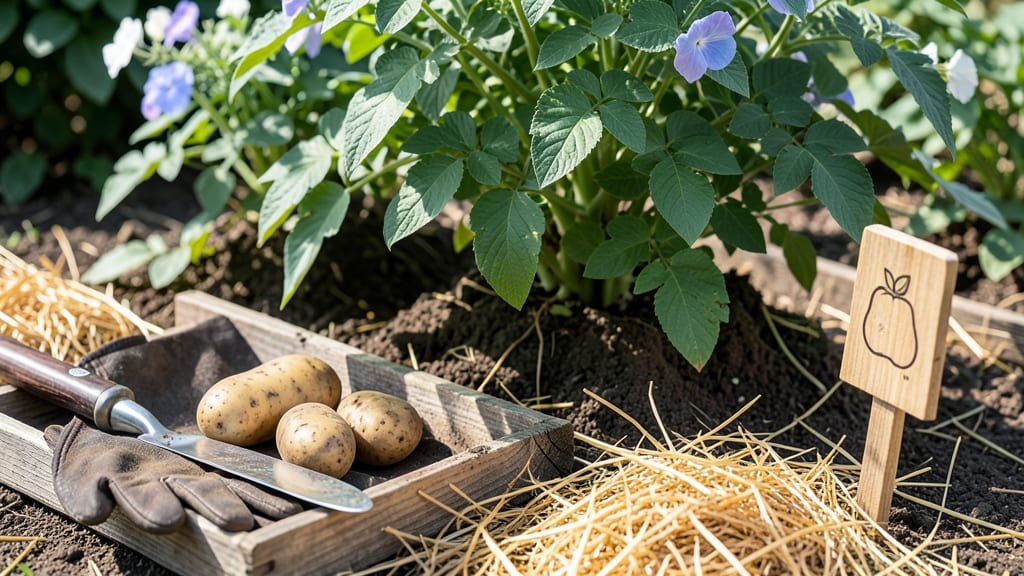
Planting potatoes in Texas isn't just about tossing them in the dirt—it's about timing them perfectly to avoid bolting and maximize your harvest.
The best time depends on where you live, whether you're in North Texas' cooler zones or South Texas' heat, because those 5-degree differences in soil temperature can mean the difference between a thriving crop and wasted effort.
Most Texas gardeners swear by early spring planting when soil reaches 50°F, but that's just the starting point.
What you really need to know is how to adjust for your specific microclimate—whether that means waiting until March in the Panhandle or planting as early as February in the Rio Grande Valley.
The key is getting those spuds in the ground when the soil is warm enough to prevent rot but cool enough to avoid premature flowering.
Here's the game-changer: Texas' long growing season actually lets you plant potatoes twice a year. While spring planting gives you summer harvests, fall planting can yield potatoes before the first frost hits.
I'll show you exactly how to time both plantings for zero-bolt potatoes, no matter which part of the state you're in.
Ready to stop guessing and start growing? Let's dive into the exact weeks to plant based on your Texas region, plus pro tips to keep your potatoes thriving from sprout to harvest—no matter how unpredictable the Texas weather gets.
Texas planting zones and ideal weeks for zero-bolt potatoes
Texas spans USDA Zones 6-10, meaning your potato planting window varies dramatically from the Panhandle to South Texas. In North Texas (Zones 7-8), the ideal window is 2-4 weeks after your last frost date, typically mid-March to early April.
Meanwhile, South Texas (Zones 9-10) can plant as early as late January to February—but timing is critical to avoid bolting from heat stress.
Potatoes need soil temperatures between 45-65°F to germinate properly. In Central Texas (Zone 8), this usually aligns with late February to early March. Use a soil thermometer to confirm—cold soil delays sprouting, while hot soil can cause premature bolting.
For high-yield harvests, aim to plant when daytime temperatures stay below 80°F. In East Texas (Zone 8a), this means February-March plantings. In West Texas (Zone 7b-8a), wait until April to avoid heat-induced bolting before tubers form.
| Texas Region | USDA Zone | Best Planting Window | Soil Temp Threshold | Key Risk |
|---|---|---|---|---|
| North Texas (Amarillo, Lubbock) | 7b-8a | Mid-March to early April | 45-55°F | Late frost damage |
| Central Texas (Austin, San Antonio) | 8a-8b | Late February to early March | 50-60°F | Heat bolting |
| East Texas (Tyler, Beaumont) | 8a-9a | January-February | 55-65°F | Humidity/fungal disease |
| South Texas (Corpus Christi, Brownsville) | 9a-10a | Late January to February | 60-70°F | Extreme heat stress |
| West Texas (El Paso, Midland) | 7b-8a | April (or September for fall crop) | 50-60°F | Drought bolting |
For fall harvests, Texas gardeners can plant a second crop in late summer (August-September). This works best in North and Central Texas where cooler autumns arrive earlier. In South Texas, opt for heat-tolerant varieties like 'Red LaSoda' and plant by mid-August.
Always choose certified seed potatoes (not grocery store spuds) to avoid disease transmission. Cut seed potatoes into 2-inch chunks with at least one "eye" per piece, then let them chit (sprout) indoors for 2-3 weeks before planting.
This jumpstarts growth and compensates for Texas’ short windows between frost and heat.
Pro tip: In Zone 10 (South Texas), use shade cloth during peak summer to protect young plants. This simple trick can extend your harvest window by 4-6 weeks. Pair this with drip irrigation to maintain consistent moisture without wetting foliage (which promotes disease).
Remember: Texas’s long growing season lets you grow two crops per year in most regions. Time your first planting for spring and your second for late summer to maximize yields. Just watch those soil temps—they’re your best indicator of success!
🌱
Microclimate adjustments: how elevation and soil type shift planting dates
Texas isn't just one giant garden—it's a patchwork of microclimates where elevation and soil can shift your potato planting window by weeks. In the high desert of El Paso, where nights dip below 40°F, you'll plant potatoes 4-6 weeks later than in Houston's humid coastal zone.
These differences aren't just about timing; they dictate whether you need organic matter amendments or shade solutions to protect your crop from extreme heat.
The key factor is soil temperature. In Austin's river valleys, soil warms quickly in February, while El Paso's rocky soils stay cold until April. Coastal areas like Houston face different challenges—sandy soils dry out fast, while clay-heavy areas in East Texas hold moisture too long.
Each scenario requires a tailored approach to avoid bolting or disease. Let's break down how to adjust your planting strategy based on where you garden in Texas.
In high desert areas like El Paso, where daytime temps can soar to 90°F by May, I recommend planting early-maturing varieties like 'Yukon Gold' and using black plastic mulch to reflect heat.
The goal is to get your potatoes harvested before the soil temperature exceeds 85°F, which stresses the plants. For river valleys like Austin, where humidity spikes in summer, focus on disease-resistant varieties like 'Red LaSoda' and keep foliage dry with drip irrigation.
Coastal gardeners in Houston face unique challenges with sandy soils that dry out quickly. To combat this, I always amend my beds with aged compost and use straw mulch to retain moisture.
For areas with heavy clay soils, like East Texas, I recommend breaking up the soil with a broadfork and adding organic matter like leaf mold to improve drainage. These adjustments can shift your planting window by 3-4 weeks and make all the difference in avoiding bolting.
Don't forget that fall planting is also an option in most of Texas. In cooler microclimates like the Hill Country, you can plant seed potatoes as late as September for a harvest before the first frost.
The key is to choose short-day varieties that mature quickly, like 'New Potatoes,' and use row covers to extend the season. With the right adjustments, you can enjoy two potato harvests a year in Texas—spring and fall!
Remember, the soil temperature is your best guide. Use a soil thermometer to confirm when your garden bed is ready—aim for 50°F for planting. In hotter microclimates, you might need to plant in partial shade or use shade cloth to protect your potatoes from extreme heat.
With these microclimate-specific strategies, you'll be well on your way to a bumper crop of Texas-grown potatoes, no matter where you garden.