
Plants
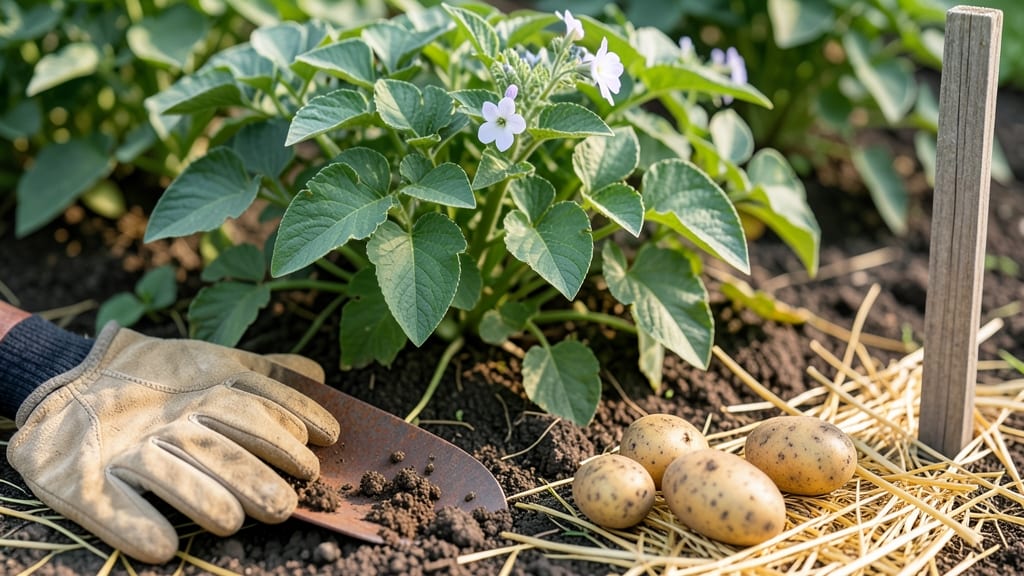
Planting fall potatoes in Texas isn’t just about throwing them in the ground—it’s about beating the heat, dodging early frosts, and timing your harvest before the first chill hits. If you wait too long, your 🥔 spuds won’t mature; plant too soon, and they’ll rot in the sweltering August sun.
Texas gardeners in zones 8A and 9A face a tight window—just 6-8 weeks to grow potatoes before winter sets in. The key? Start planting in late August (not July) to avoid scorching soil, then adjust based on your region’s first frost date.
North Texas growers should aim for early September, while Gulf Coast gardeners can push it to mid-October.
But timing isn’t everything—soil prep, variety choice, and smart watering make the difference between a bountiful harvest and a bust. I’ll walk you through the exact steps to grow zero-frost potatoes, from selecting heat-tolerant varieties to protecting your crop from Texas’ unpredictable weather.
Ready to turn your backyard into a potato goldmine? Let’s dive into the step-by-step schedule that’ll have you digging up tubers by December—just in time for holiday feasts.
Texas heat zone 8A & 9A planting timeline: exact dates for fall potato success
Fall potatoes in Texas require precision timing to avoid heat stress or early frost damage. Unlike spring plantings, fall potatoes must mature before first frost—which hits November 15 in North Texas (Zone 8A) and December 15 in South Texas (Zone 9A).
The key? Plant when soil temps drop below 85°F but stay above 50°F—a narrow window that varies by region.
Texas’ microclimates complicate things further. The Hill Country cools faster than the Gulf Coast, so adjust your schedule accordingly. For example, San Antonio (Zone 8A) may have 30 days of ideal planting conditions, while Houston (Zone 9A) stretches that window to 45 days.
Below, I’ve broken down the exact dates for early, mid, and late fall plantings—plus how to extend your season with row covers or black plastic mulch.
| Region | Zone | Early Planting (Fast Varieties) | Mid Planting (Standard Varieties) | Late Planting (Slow Varieties) | First Frost Date |
|---|---|---|---|---|---|
| North Texas (Dallas/Fort Worth) | 8A | August 15–25 | September 1–15 | September 20–October 5 | November 15 |
| Central Texas (Austin/San Antonio) | 8A | August 20–30 | September 5–20 | September 25–October 10 | November 10 |
| South Texas (Houston/Beaumont) | 9A | September 1–10 | September 15–October 1 | October 5–15 | December 15 |
| West Texas (Midland/Odessa) | 8A | August 10–20 | August 25–September 10 | September 15–25 | November 5 |
| Gulf Coast (Corpus Christi) | 9A | September 5–15 | September 20–October 5 | October 10–20 | December 20 |
*Dates based on 90-day maturity for standard varieties; adjust for early/late types.
For Zone 8A, aim to plant 60–90 days before frost. If you’re growing ‘Yukon Gold’ (90 days), your last planting window is early September in Dallas. In Zone 9A, you’ve got more flexibility—‘Red Pontiac’ (75 days) can still be planted until mid-October in Houston.
Use a soil thermometer to confirm temps are below 85°F before planting; hotter soils slow germination.
Pro tip: Black plastic mulch can push your late-season window 2–3 weeks later by warming the soil. Lay it down 2 weeks before planting to raise soil temps by 5–10°F.
Pair this with drip irrigation to maintain consistent moisture—critical in Texas’ unpredictable fall rains. Avoid overhead watering, which spreads fungal diseases like late blight.
Harvest timing is just as critical. In Zone 8A, dig up ‘New Potatoes’ (60 days) by late October to avoid frost. For maincrop varieties (120 days), aim to harvest by mid-November in North Texas or early January in South Texas.
Watch for foliage yellowing—a sign tubers are mature. Cure potatoes in a cool, dark place (50–60°F, 85% humidity) for 1–2 weeks to develop skins and store for months.
Texas’ variable microclimates mean your neighbor’s success isn’t guaranteed for you. For example, Hill Country elevations can frost 2 weeks earlier than valley floors. Use the
Texas heat zone 8A & 9A planting timeline: exact dates for fall potato success
Fall potatoes in Texas require precise timing to avoid summer heat stress or winter frost damage. In Zone 8A, aim for late August to early September planting, while Zone 9A gardeners should start mid-September to October.
These windows ensure tubers mature before the first frost—typically mid-November in North Texas and December in South Texas. Soil temperatures below 50°F slow growth, so monitor local forecasts closely.
For a frost-free harvest, calculate your 120-day maturity window backward from your area’s average first frost date. Use certified seed potatoes (never grocery store spuds) and plant 4-6 weeks before the final frost date.
In East Texas, this might mean planting in late August, while West Texas can extend to early October due to cooler nights.
Adjust your planting dates based on soil temperature, not air temperature. Use a soil thermometer to confirm 55-65°F soil temps—ideal for sprouting. In West Texas, where nights cool faster, you can push planting to mid-October if days stay warm.
For Gulf Coast areas, prioritize early September to avoid hurricane season disruptions.
Pro tip: Plant early-maturing varieties (like ‘Red LaSoda’) in late September for a second harvest if your first planting fails. Always hill soil around stems every 2-3 weeks to prevent greening (toxic solanine buildup) and encourage tuber formation. Use black plastic mulch to warm soil faster in cooler microclimates.
Monitor local first frost alerts from the Texas A&M AgriLife Extension and adjust your harvest timeline. In Zone 9A, potatoes can sometimes survive light frosts, but below 28°F will damage tubers. For extra protection, use frost blankets or plant near warmth-retaining structures like brick walls.
Remember: Texas’ unpredictable weather means flexibility is key. If a heatwave hits after planting, mulch heavily to retain moisture. If rains delay planting, opt for container growing with well-draining mix. The goal? Zero-frost, high-yield potatoes—every Texas gardener’s dream.