
Plants
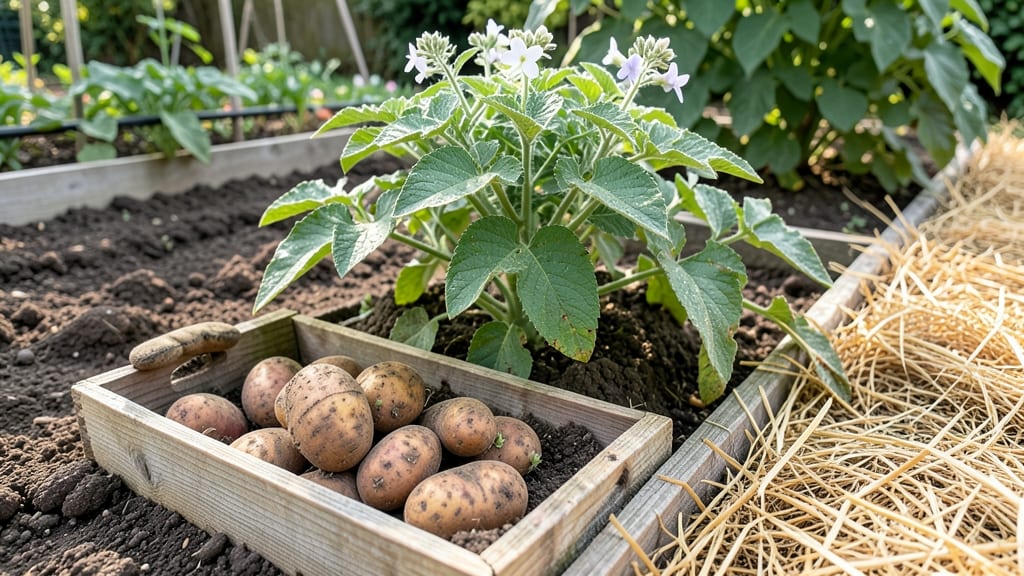
Planting potatoes at the wrong time in North Carolina can mean the difference between a bountiful harvest of crisp, golden 🥔 or a season of disappointment. With the state’s varied climate—from the frost-prone mountains to the milder coastal plains—getting the timing right is everything.
Most gardeners in zones 7a-8b should start planting early varieties as soon as the soil warms to 45°F in early March, while late varieties can wait until April. But here’s the catch: rushing too soon risks frost damage, while waiting too long cuts your harvest window short.
I’ll break down the exact planting windows for your region, plus how to adjust for early, mid-season, and late varieties. Whether you’re in the Piedmont or Coastal Plain, these tips will help you avoid common mistakes and maximize your yield.
Ready to grow potatoes that thrive? Let’s dive into the zone-specific timing that works for North Carolina’s unique growing conditions.
North Carolina planting zones & exact dates for frost-free potato success
North Carolina’s diverse climate—from the cool Mountains to the humid Coastal Plain—means potato planting dates vary dramatically. In Zone 5b (western NC), you can start as early as late February, while Zone 8a (eastern NC) gardeners should wait until mid-April to avoid frost damage.
The key is aligning your planting with soil temperatures (ideally 45°F+) and last frost dates, which can differ by 3-4 weeks across the state.
Most NC gardeners aim for a spring harvest by planting early-season varieties like Yukon Gold or Red Pontiac 2-4 weeks before the last frost.
For a fall harvest, late varieties like Russet or Kennebec can be planted as late as mid-June in cooler zones, but this requires careful monitoring of daylength and soil moisture to prevent tuber formation before frost.
Here’s your zone-by-zone planting guide, including exact dates, soil prep tips, and variety recommendations tailored to NC’s microclimates:
In Zone 5b-6a (Mountains), where frosts linger until late March, focus on early-maturing varieties like Red LaSoda (60 days) to avoid late-spring frosts. Pre-sprout your seed potatoes indoors under bright light to jumpstart growth—this gives you a 2-week head start on the season.
For Zone 7b-8a, where summers are hot and humid, opt for heat-tolerant varieties like Purple Majesty and plant after April 15th to prevent tuber rot from excessive moisture.
Soil temperature is just as critical as air temperature. Use a soil thermometer to confirm your soil has warmed to 45°F+ before planting—cold soil delays sprouting and invites disease. In cooler zones, cover rows with black plastic mulch 1-2 weeks before planting to accelerate warming.
For warmer zones, plant in raised beds to improve drainage and reduce blight risk.
Pro tip: Succession planting works beautifully in NC. After harvesting your first crop (around late May), replant with late-season varieties like Russet Burbank for a fall harvest in October. Just ensure your new planting gets 90 days of growth before the first frost—aim for mid-July in most zones.
In Zone 8a, you can even squeeze in a third planting in early August for a Christmas harvest!
Watch for false springs, where warm spells trick you into planting too early. The NC State Extension recommends waiting until 3 consecutive days above 50°F before planting. If a late frost hits, protect seedlings with frost blankets or move containers indoors temporarily.
And remember: Potatoes hate competition, so avoid planting near tomatoes, peppers, or eggplants—they share diseases like verticillium wilt.
For container growing, use 5-gallon buckets and plant in late April
5 Critical signs your North Carolina potato planting timing is perfect (or terrible)
North Carolina’s unpredictable spring weather makes potato planting tricky. The difference between a thriving harvest and wasted seed potatoes often comes down to timing cues most gardeners miss. I’ve learned these signs through years of trial-and-error—and trust me, your future spuds will thank you for paying attention.
Perfect timing means your potatoes get 60-120 frost-free days to mature, while poor timing risks frost damage or stunted tubers. Let’s break down the 5 non-negotiable indicators that tell you whether you’re planting at the right moment—or digging your own grave (metaphorically speaking).
- Soil temperature reaches 45°F+ at 4" depth (use a soil thermometer). Cold soil = slow sprouting and rot risk.
- Daytime highs consistently hit 50°F+ (nighttime lows above 35°F). Frost warnings = wait.
- Seed potatoes sprout ½-inch green shoots (chit) before planting. No sprouts = delayed growth.
- Last frost date has passed for your zone (NC ranges March 15-April 15). Check local forecasts—don’t guess!
- Air temperature trends upward for 7+ days. Sudden cold snaps can kill young plants.
Let’s start with the soil temperature test, my top indicator. Potatoes hate cold soil, and planting too early—even with warm air—can lead to blackleg disease or rotten tubers. I always test soil at 4" depth (where tubers form) using a cheap digital thermometer from the garden center.
If it’s below 45°F, wait. Pro tip: Dark, loamy soil warms faster than sandy soil.
Next, watch your seed potato sprouts. Before planting, I pre-sprout my seed potatoes in a cool, bright spot (like a sunny windowsill). When ½-inch green shoots appear, they’re ready to go in the ground. No sprouts yet?
That’s your cue to plant earlier—or risk 2-3 weeks of delayed growth. I’ve seen gardeners skip this step and end up with stunted plants that never bulk up.
Don’t overlook air temperature trends, either. A single 50°F day doesn’t mean it’s safe—you need consistent warmth. I track 7-day forecasts and avoid planting if nighttime lows dip below 35°F.
Last year, I planted too late in Zone 7b because I focused only on daytime highs, and a late April frost wiped out my entire row. Lesson learned.
Finally, last frost dates are your hard stop. North Carolina’s frost dates vary wildly: March 15 in the Mountains vs. April 15 in the Coastal Plain.
I use the NC State Extension’s frost map (linked in my resources) to pinpoint my exact zone. Planting 2-4 weeks before the average last frost gives your potatoes a head start—just cover them with row fabric if frost sneaks back.
Miss these signs, and you’ll end up with small, misshapen tubers or no harvest at all. But nail them, and you’ll enjoy bountiful, disease-free potatoes all summer. Now grab that soil thermometer—your spuds are waiting! 🥔