
Planting
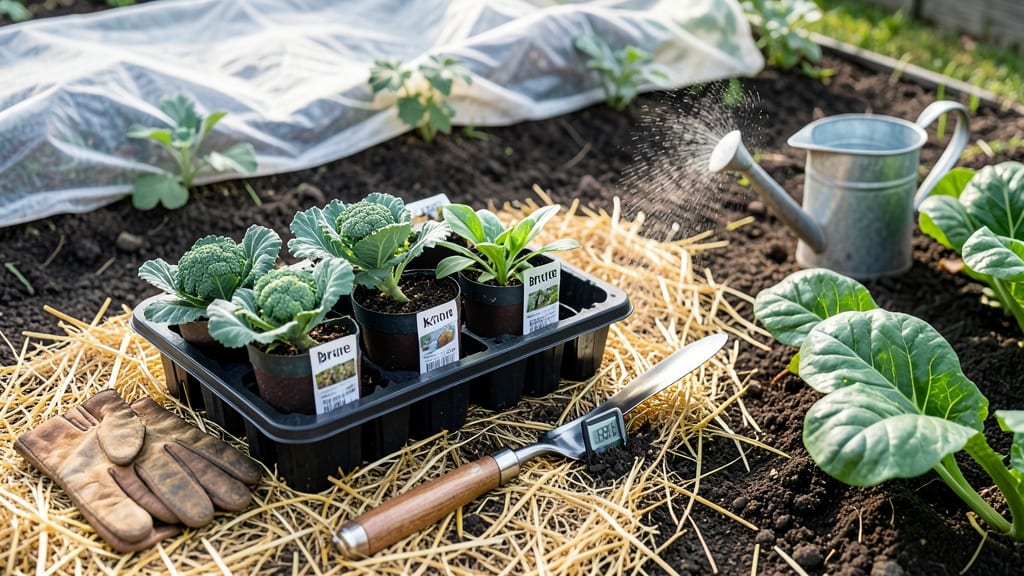
Planting a fall garden in Texas isn’t just about timing—it’s about outsmarting the heat and racing against frost to maximize your harvest. With Heat Zones 8a-10a offering extended growing seasons, you can still enjoy fresh produce long after summer fades, but only if you start at the right moment.
Most gardeners make one critical mistake: they wait too long, assuming cooler weather means it’s safe to plant. But Texas’ lingering summer heat can still stress young seedlings, while early freezes can wipe out tender crops overnight.
The key is knowing exactly when to sow your seeds or transplant starts for a thriving garden.
In this guide, I’ll break down the perfect planting windows for your region, from North Texas’ cooler highlands to South Texas’ tropical lowlands.
You’ll discover which vegetables, flowers, and herbs thrive best in late summer and how to adjust your schedule if heat waves or early cold snaps threaten your garden.
Whether you’re a seasoned gardener or just starting, these insights will help you avoid common pitfalls and enjoy a bountiful fall harvest—without the guesswork. Let’s get your garden growing on the right timeline.
Texas fall planting calendar by heat Zone 8a-10a: exact dates for zero-frost success
Texas gardeners face a unique challenge: the long, hot summers and unpredictable fall freezes. Your planting window must balance heat tolerance with frost sensitivity.
In Heat Zone 8a (North Texas), average first frost arrives mid-November, while Zone 10a (South Texas) may see frost as late as January. This means your fall garden timing varies by 100+ miles—and your crop choices must adapt.
For cool-season crops like lettuce and broccoli, aim to plant 6-8 weeks before your expected first frost. In Zone 8a, that’s early September, while Zone 10a gardeners can wait until late October.
Warm-season crops like tomatoes and peppers need even earlier starts—mid-to-late July in cooler zones—to mature before temperatures drop.
Here’s the critical timeline you need to nail your fall garden:
Pro tip: Use Texas A&M’s Frost Date Map to pinpoint your exact last frost date. Even within a zone, microclimates (like urban heat islands or hilltops) can shift frost dates by 1-2 weeks.
For example, Dallas (Zone 8a) often freezes 2 weeks earlier than Austin (Zone 8b), despite being in the same zone.
Don’t overlook succession planting—a technique that lets you stagger harvests by sowing seeds every 2-3 weeks. In Texas’ short fall window, this maximizes yield. For instance, plant bush beans in early September, then again in mid-September to ensure a continuous supply before frost.
The same strategy works for radishes (ready in 25 days) and lettuce (ready in 45 days).
Soil temperature is just as critical as air temperature. Cool-season crops like spinach struggle when soil stays above 75°F. Use a soil thermometer to confirm soil temps are below 70°F before planting.
In Zone 8a, this often means waiting until late August for sensitive crops. For heat-tolerant greens like swiss chard, you can start 2 weeks earlier.
Extend your fall garden with row covers or cold frames. These tools can push back frost by 2-4 weeks, giving you time to harvest late-season crops like cabbage or brussels sprouts.
In Zone 10a, where frost is rare, focus on winter-hardy crops like collards and kale, which sweeten after frost—even if it never arrives!
Remember: Texas’ fall weather is unpredictable. Always have a backup plan—whether it’s greenhouse starts for late-season crops or frost cloth on hand. With the right timing, your fall garden can outproduce spring plantings by 30-50%, giving you fresh harvests when summer crops fade.
How to adjust your fall planting schedule for Texas heat waves and early freezes
Texas' fall weather is a double-edged sword: scorching September heat followed by sudden October freezes. The key to success lies in adjusting your planting schedule to match these shifts.
Start by planting heat-tolerant varieties like malabar spinach or okra in late August, then transition to cooler crops like kale and broccoli in early September. This staggered approach ensures continuous harvests while minimizing risk.
Don't let Texas' unpredictable weather derail your garden. The 10-14 day rule is your secret weapon: plant warm-season crops 10-14 days earlier than the calendar suggests. For example, if your first frost typically arrives November 15th, start tomatoes on September 1st instead of September 15th.
This gives them time to mature before temperatures drop.
- 🌡️ Soil Warming: Use black plastic mulch or row covers to raise soil temps by 5-10°F for early plantings.
- 🌿 Shade Cloth: Install 30-50% shade cloth over seedlings to protect from 90°F+ afternoons in September.
- 🌱 Succession Planting: Sow fast-growing crops like radishes every 2 weeks to extend harvest windows.
- ❄️ Frost Watch: Monitor local frost alerts and use row covers for 32°F nights to protect tender plants.
- 💧 Watering Strategy: Switch to deep watering every 3 days in September to prevent heat stress.
For North Texas (Zone 8a), focus on cool-season staples like carrots and lettuce planted by September 15th. In South Texas (Zone 10a), you can push the envelope with winter crops like cabbage planted as late as October 15th.
The key difference? Soil temperature - South Texas soils stay warmer longer, allowing later plantings.
Never underestimate the power of microclimates. A north-facing bed stays cooler by 5-10°F than a south-facing one. Use this to your advantage by planting heat-sensitive crops like peas in these spots.
Additionally, raised beds warm up faster in spring and cool down slower in fall, giving you an extra 2-3 weeks of growing time.
When selecting varieties, prioritize fast-maturing options with heat tolerance. For example, 'Heatmaster' tomatoes can handle 95°F temps while still producing fruit. Pair these with shade-tolerant greens like 'Fordhook' giant collards, which thrive in partial shade. This combination maximizes your harvest potential during Texas' transitional seasons.
Remember, observation is your best tool. Keep a garden journal to track when your local heat waves break and when the first frost arrives. Over time, you'll develop a customized planting schedule that beats Texas' unpredictable weather patterns.
With these adjustments, you'll enjoy a bountiful fall harvest despite the challenges.