
Plants
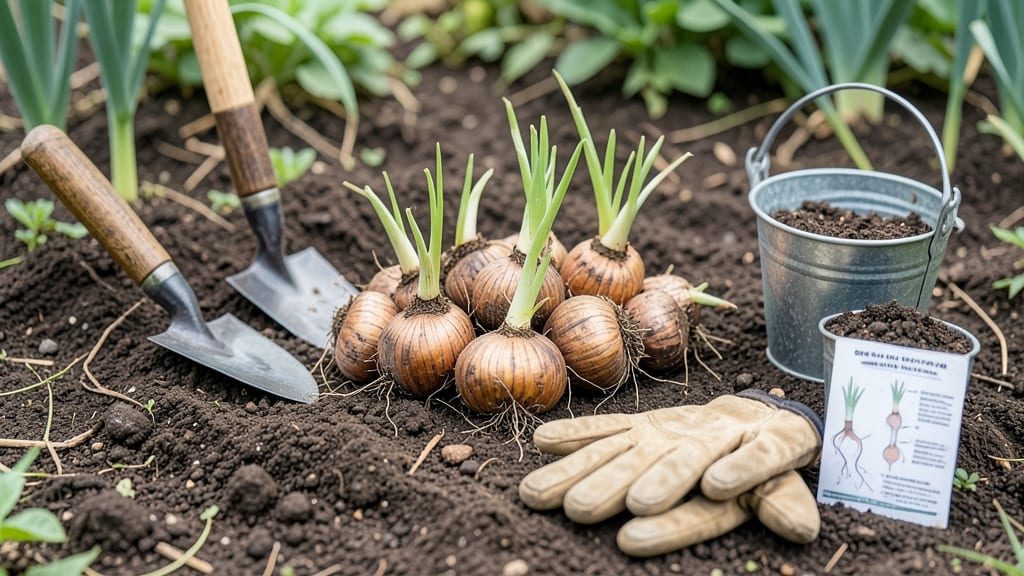
Timing when to plant gladiolus bulbs in Colorado just right isn’t just about the calendar—it’s about outsmarting elevation shifts and unpredictable frost. Plant too early, and your bulbs might rot in cold soil; too late, and you’ll miss the ideal bloom window of July to September.
Most gardeners in zones 5-7 assume late April works everywhere, but that’s a recipe for failure in the mountains. Instead, I’ll show you how to pinpoint the perfect 2-4 week window after your last frost, whether you’re in Denver or the high plains.
You’ll learn why soil temperature matters more than air temperature, how to adjust for 3,000-foot elevation differences, and which varieties thrive where. No more guessing—just a foolproof plan to get those tall, dramatic blooms you’ve been dreaming of.
Let’s dive into the exact dates, soil tricks, and variety picks that’ll make your Colorado garden the talk of the neighborhood. Ready to plant like a pro?
Colorado gladiolus planting calendar by elevation zone (with exact dates)
Colorado’s three distinct elevation zones create wildly different planting conditions for gladiolus bulbs. Unlike one-size-fits-all advice, your exact planting window depends on whether you're gardening in Denver’s Lowlands, the Foothills near Boulder, or the Mountains above 7,000 feet. Ignore these differences, and you risk rotten bulbs or stunted blooms.
Most gardeners focus on air temperature when planting, but gladiolus bulbs care more about soil temperature. In Colorado, soil warms 2–3 weeks slower than air—so check with a thermometer before digging. The last frost date is just the starting point; your bulbs need consistent warmth to thrive.
Colorado’s elevation zones aren’t just about altitude—they dictate soil warming rates, frost risk, and even best gladiolus varieties. For example, 'Friendship' gladiolus (a heat-tolerant variety) will flourish in the Lowlands but may flop in the Mountains, where 'White Friendship' (an early bloomer) performs better. Let’s break down your exact planting schedule by zone.
If you’re in the Lowlands (3,000–5,000 ft), aim to plant between April 15 and May 15. This window aligns with soil temperatures hitting 55–60°F, which is critical for gladiolus bulbs to sprout without rotting.
Denver and nearby areas typically see a 90% chance of frost-free conditions by mid-May, making this the safest bet for reliable blooms. Choose heat-tolerant varieties like 'Friendship' or 'Pictorial' to handle the summer heat that follows.
Gardeners in the Foothills (5,000–7,000 ft) should wait until May 1–June 1 to plant. Soil here warms more slowly, and the frost risk extends into late May with only 80% confidence of frost-free conditions.
Opt for medium-height varieties like 'Green Star' or 'Black Pearl', which balance early blooming with resilience to cooler nights. Use black plastic mulch to accelerate soil warming if needed.
For Mountain gardeners (7,000+ ft), the planting window shifts dramatically to June 1–July 1. Soil temperatures below 45°F can stall growth, and frost lingers until early June. Prioritize early-blooming, short-stemmed varieties like 'White Friendship' or 'Pink Parfait' to avoid wind damage.
Plant bulbs in containers or raised beds if your garden has poor drainage, as soggy soil is a major risk at these elevations.
Pro tip: Use a soil thermometer to confirm readiness—don’t rely on air temperature alone. In my Denver garden, I’ve seen air temps hit 70°F while soil stayed at 48°F, delaying sprouting by three weeks.
Patience here separates thriving gladiolus from failed attempts. Once planted, mark your calendar for July–September harvest, when these dramatic blooms will steal the show. 🌸
5 Critical factors that determine your gladiolus planting success in Colorado
Colorado’s elevation extremes and unpredictable frost patterns demand more than just checking a calendar when planting gladiolus bulbs. While timing matters, soil conditions, bulb quality, and moisture control often decide whether your corms thrive or rot.
I’ve grown gladiolus across Denver’s plains and Colorado Springs’ foothills, and these five factors consistently separate successful blooms from failed attempts.
The biggest mistake I see? Gardeners focus only on air temperature instead of soil temperature. A 60°F afternoon might feel warm, but if your soil is still chilly from nighttime drops, your bulbs won’t sprout.
Colorado’s thin air and rapid temperature swings make this especially critical—your gladiolus need soil that’s reliably warm enough to trigger growth.
Bulb Size Matters: Choose Large Corms (2+ inches)
Smaller bulbs (1–2 inches) need warmer soil to sprout and often rot in Colorado’s cooler spring. Prioritize 'jumbo' corms for reliable blooms.
Soil Temperature > Air Temperature
Use a soil thermometer—plant only when soil reaches 55°F (Lowlands) or 50°F (Mountains). Air temps can lag by 2+ weeks.
Elevation-Specific Moisture Tricks
Lowlands: Mulch heavily to retain water. Mountains: Use black plastic mulch to warm soil. Both: Avoid soggy soil—gladiolus bulbs rot in 60°F+ wet conditions.
Frost-Proofing Your Planting
If late frosts threaten (common in Foothills/Mountains), plant bulbs in containers or use row covers for the first 2 weeks post-planting.
Variety Selection by Zone
Lowlands: Heat-resistant hybrids ('Red Shades'). Mountains: Early bloomers ('White Friendship') with shorter stems to avoid wind damage.
Here’s what I’ve learned about moisture management in Colorado: Lowland gardens like those in Pueblo or Colorado Springs need heavy mulching (3–4 inches of straw) to prevent water evaporation, while mountain gardens above 8,000 feet benefit from black plastic mulch to raise soil temperatures.
I once lost an entire batch of gladiolus in Estes Park because I ignored this—soggy soil from late snowmelt triggered Thielaviopsis rot within days.
For frost protection, I recommend planting bulbs in containers if you’re in zones where late frosts hit after your ideal planting window.
Last year in Fort Collins, I used 5-gallon buckets with drainage holes and moved them to a sheltered spot when nighttime temps dipped below 32°F. The difference in survival rates was dramatic compared to in-ground plantings.
Finally, don’t overlook variety selection. In my Denver garden, heat-tolerant varieties like 'Red Shades' thrive in the city’s urban heat islands, while 'White Friendship' struggles unless planted in partial shade.
At my mountain cabin near Leadville, I stick to early-blooming types with shorter stems—they survive the wind better and bloom before summer storms arrive.
Master these five factors, and your gladiolus will reward you with bold, long-lasting blooms all summer. Skip them, and you’ll end up with wilting stems and empty flower heads—just like my first (and second) failed attempts in Colorado’s tricky climate. 🌸