
Plants
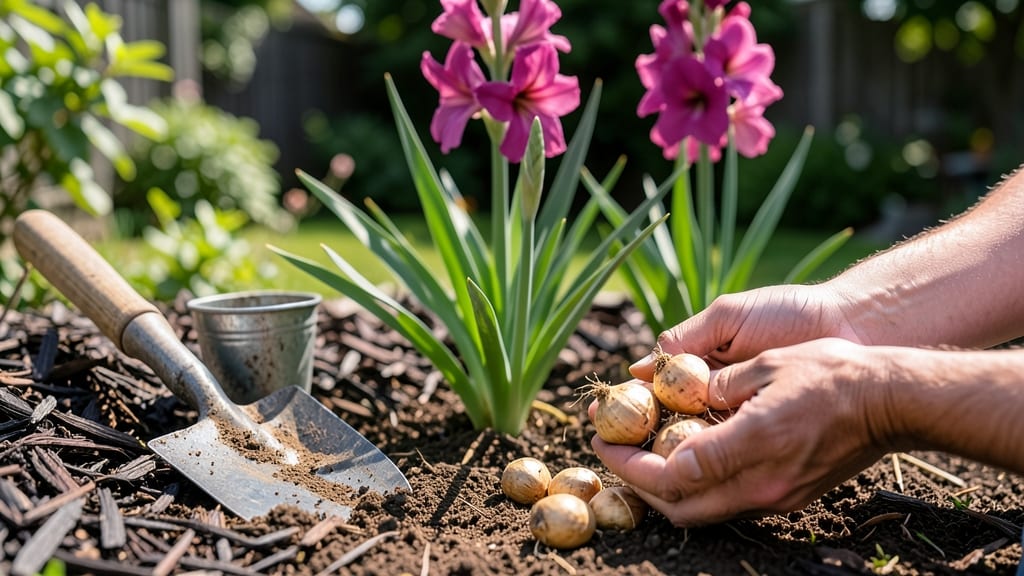
Planting gladiolus bulbs in Indiana at the wrong time means missing out on those stunning 🌸 summer blooms you’ve been dreaming of.
The key window—mid-April to early May—aligns perfectly with USDA Zone 6’s frost-free dates, but getting it just a few weeks off can stunt growth or delay flowers until fall.
I’ve learned the hard way that rushing these corms into cold soil (below 50°F) triggers rot, while waiting too long cuts your bloom season short. Indiana’s unpredictable spring weather adds another layer—so timing isn’t just about dates, but soil temperature and regional microclimates too.
What if you could guarantee vibrant gladiolus from July to September? The secret lies in preparing your soil, choosing the right varieties, and avoiding common mistakes like planting too shallow or overcrowding. Let’s break down exactly how to nail your planting schedule for maximum impact.
Whether you’re a first-time gardener or a seasoned Hoosier grower, these insights will help you skip the guesswork. Ready to transform your garden with bold, 4-foot-tall blooms? Let’s get started.
Best planting months for gladiolus in Indiana’s USDA Zone 6 climate
Indiana’s USDA Zone 6 climate means gladiolus bulbs need precise timing to thrive. The last average frost date in most areas falls around April 15, but soil temperatures must also reach 60°F (15°C) for successful planting.
This typically aligns with mid-April to early May—the sweet spot for most Indiana gardeners.
For northern Indiana (cooler microclimates), aim for late April to early May when frost risks are minimal.
Southern Indiana gardeners can start as early as mid-April, but always wait until the soil warms. Planting too early risks frost damage to tender shoots, while delaying past early June may result in shorter stems and fewer blooms before fall.
Gladiolus corms thrive with 6-8 weeks of warm soil before blooming. In Indiana, this means planting 4-6 weeks before your first expected frost-free window. For example, if your last frost is April 15, plant between March 15 and April 1—but only if soil temperatures cooperate.
🌱 Gladiolus Planting Timeline for Indiana (USDA Zone 6)
| Stage | Action | Indiana Timing |
|---|---|---|
| Soil Prep | Test pH (6.0-7.0), amend with compost | March-April |
| Planting | 4-6" deep, 6" apart | Mid-April to early May |
| Sprouting | Shoots emerge in 2-3 weeks | Late April-early June |
| Blooming | Cut flowers when lower buds open | July-September |
| Dormancy | Dig and store corms after frost | October-November |
🌿 Pro Tip: Use a soil thermometer to confirm 60°F+ before planting.
Indiana’s microclimates play a huge role. Urban areas like Indianapolis often warm faster than rural northern Indiana. Check your local Purdue Extension frost maps for precise dates, but generally, northern Indiana should wait until after May 1, while southern Indiana can plant as early as mid-April.
For container gardening, extend your planting window by using black plastic pots to warm the soil faster. Place containers in full sun and monitor soil temps—gladiolus corms won’t sprout until the ground reaches 60°F (15°C). In cooler years, this might push planting to early June.
Gladiolus bulbs planted in late May to early June will still produce flowers, but stems may be shorter. This is ideal for cut flower gardens where height isn’t critical. Just avoid planting after July 1, as the plants won’t have enough time to establish before winter.
Always plant corms with the pointy end up—this ensures proper growth. In Indiana’s clay-heavy soils, mix in compost or sand to improve drainage. After planting, water deeply to settle the soil and keep moisture consistent until sprouts appear.
Watch for squirrels and voles, common pests in Indiana gardens. Bury corms 6 inches deep to deter digging animals. If you’re unsure about your last frost date, use frost-protecting fabric for early plantings as a safety net.
Remember: July through September is when gladiolus truly shines in Indiana gardens. By planting at the right time, you’ll enjoy bold, vibrant blooms that last until the first frost—making every minute of planning worth it. 🌸
How to adjust planting time for early vs. late blooming varieties
Extending your gladiolus bloom season in Indiana is all about strategic planting timing. By staggering when you plant early varieties like ‘Picasso’ alongside late bloomers like ‘Green Star’, you can enjoy continuous color from early July through frost.
The key is understanding each cultivar’s heat tolerance and growth cycle.
Early bloomers like ‘Picasso’ (pink with white tips) thrive when planted 4-6 weeks after your last frost date, typically mid-April in Indiana’s southern regions or early May in the north.
Late varieties such as ‘Green Star’ (deep burgundy) can handle warmer soil, so they’re planted 2-3 weeks later, around early May for northern Indiana or late April in the south.
Here’s how to adjust your schedule to maximize blooms while avoiding heat stress or bolting in Indiana’s summer:
- 1. Early Varieties (e.g., ‘Picasso’): Plant mid-April to early May (after soil reaches 60°F). These bloom in 90-100 days, perfect for early July color.
- 2. Mid-Season (e.g., ‘Black Star’): Plant late May for August blooms. Ideal for filling gaps between early and late varieties.
- 3. Late Varieties (e.g., ‘Green Star’): Plant early June for September-October blooms. These tolerate heat better but need consistent moisture.
- 4. Heat Tolerance Tip: Mulch with straw or pine needles to keep soil cool for early plantings and retain moisture for late ones.
- 5. Avoid Bolting: Space corms 6 inches apart and plant no deeper than 6 inches to prevent premature flowering from heat stress.
Indiana’s summer heat can cause gladiolus to bolt (send up tall, skinny stems with few blooms) if planted too early. To prevent this, monitor your local soil temperature—plant only when it consistently stays above 60°F for early varieties and 65°F for late ones.
Use a soil thermometer to check before planting.
For a foolproof schedule, divide your garden into three planting zones. Zone 1 gets early varieties in April, Zone 2 gets mid-season in May, and Zone 3 gets late bloomers in June. This ensures you’ll always have fresh blooms while minimizing competition for nutrients and water.
Pro tip: Label your plantings with stakes and dates to track which varieties are blooming when. This helps you refine your schedule each year for even better results. With this approach, your gladiolus will keep your Indiana garden vibrant from July through October—long after most summer flowers have faded.