
Plants
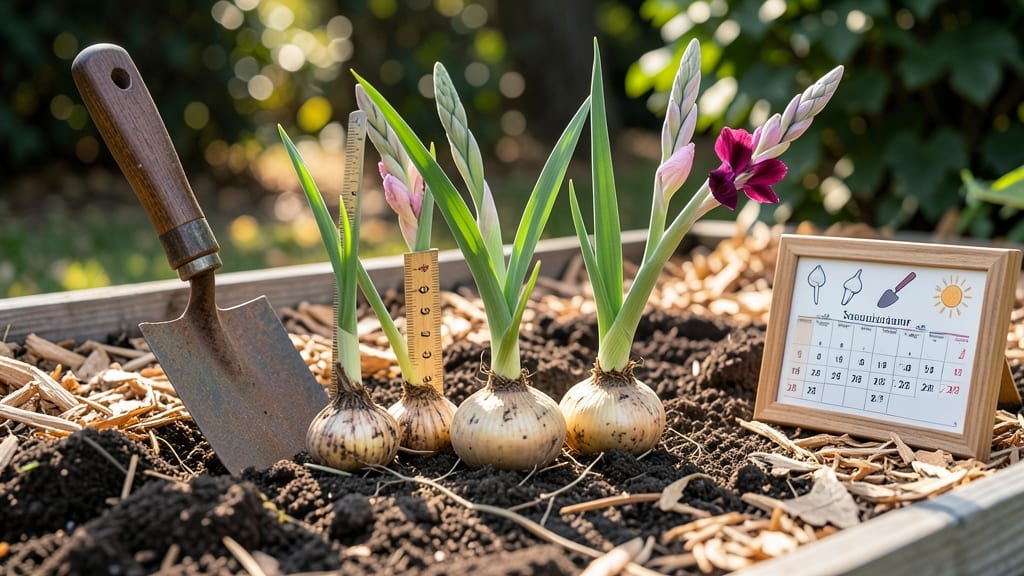
Planting gladiolus bulbs in Georgia at the wrong time means watching your 🌸 blooms struggle in the heat before they even get a chance to shine.
The key to bold, healthy summer flowers isn’t just about when you plant—it’s about matching your schedule to Georgia’s 7b-8b climate, where timing can make or break your garden’s success.
If you’ve ever planted too early and seen your bulbs rot in soggy soil, or too late and missed the June-through-September bloom window, you know how frustrating it can be. The solution?
A precise planting timeline that accounts for Georgia’s last frost date (around March 15), soil warmth, and regional microclimates—whether you’re in Atlanta’s cooler hills or Savannah’s humid lowlands.
I’ll show you exactly when to get those bulbs in the ground for peak summer color, plus how to adjust for your specific corner of the state. With the right approach, you’ll enjoy tall, vibrant gladiolus that stand out in any Georgia garden—no guesswork required.
Ready to transform your yard into a bloom-filled paradise? Let’s dive into the perfect planting schedule tailored just for you.
Optimal Georgia planting timeline for gladiolus bulbs by month
Georgia’s Heat Zone 8a climate creates perfect conditions for gladiolus blooms, but precise timing ensures your plants thrive. These summer favorites need specific soil temperatures and frost-free windows to produce their signature showy spikes.
Plant too early, and they’ll bolt in the heat; too late, and they’ll struggle to establish roots before winter.
Gladiolus bulbs thrive when planted 4-6 weeks before last frost (typically mid-March in Georgia) and again in late summer for fall blooms. The key is matching soil temperatures (60-70°F) with Georgia’s 210 frost-free days. Below, I’ve broken down the ideal month-by-month schedule tailored to Georgia’s microclimates.
For spring planting, focus on March as your prime window—this gives bulbs time to establish roots before Georgia’s 90°F+ summers. Plant too early (February), and you risk rot from cold, wet soil; too late (April), and blooms may suffer in the heat.
I recommend pre-warming soil with black plastic mulch if planting in late March.
Georgia’s late summer/fall planting (August-September) produces cool-season blooms that last until frost. The secret? Plant when soil temps drop below 75°F—this prevents heat stress while allowing roots to grow before winter.
In North Georgia (Zone 7b), aim for mid-August planting; in South Georgia (Zone 8b), you can extend to early September.
Pro tip: Use a soil thermometer to verify temps before planting. Gladiolus bulbs need consistent warmth (60-70°F) to sprout. If your soil runs cooler (common in shady spots or higher elevations), opt for container growing with bottom heat mats.
This trick has helped me extend my bloom season by 3 weeks in cooler microclimates.
Watering plays a critical role in Georgia’s humid summers. After planting, keep soil moist but not soggy—gladiolus bulbs rot easily in waterlogged conditions. Once shoots emerge (2-3 weeks post-planting), increase water to 1 inch per week.
During peak bloom (July-August), mulch with 2-3 inches of straw to retain moisture and regulate soil temperature.
Don’t overlook fertilizer timing—gladiolus are heavy feeders but need nutrients at the right stages. Apply a balanced 10-10-10 fertilizer when shoots reach 6 inches tall, then again when buds form.
In Georgia’s acidic soils (pH 5.5-6.5), add lime if needed—my soil tests often show pH 5.0, which st
Optimal Georgia planting timeline for gladiolus bulbs by month
Georgia’s Heat Zone 8a climate demands precise timing for gladiolus bulbs—plant too early, and your bulbs rot in cold soil; too late, and you miss the June-September bloom window.
The ideal window is 4-6 weeks before your last frost date (around March 15), but soil temperature matters just as much as calendar dates.
For most of Georgia, that means starting in mid-to-late February in the southern regions (like Savannah) and waiting until early March in cooler areas (like Atlanta). The goal? Plant when soil temps hit 60°F—use a soil thermometer to check before digging. This ensures roots establish before summer heat arrives.
Here’s your month-by-month breakdown, including critical soil temp thresholds and bloom expectations:
| Month | Planting Window | Soil Temp Threshold | Bloom Time | Notes |
|---|---|---|---|---|
| February | Late (Southern GA only) | 55–60°F | July–August | Risk of frost; wait for soil to warm |
| March | Ideal (Statewide) | 60–65°F | June–September | Best success; aligns with last frost |
| April | Late (Northern GA) | 65°F+ | July–August | Hotter soil; water deeply |
| August–September | Fall Option | 60°F+ | October–November | Extend season; avoid late summer heat |
Pro tip: If you’re in North Georgia (like Dalton), aim for early March to avoid late frosts. In South Georgia (like Waycross), you can start as early as mid-February—just monitor weather forecasts for cold snaps. For container gardening, plant 2 weeks later since pots cool faster.
Remember, gladiolus bulbs need 6+ hours of sun daily and well-draining soil. If your garden holds water, amend with compost or plant on a slight mound. Mulch after planting to retain moisture and regulate soil temp—critical in Georgia’s humid summers.
Missed the spring window? Don’t worry—plant again in late summer (August) for a fall bloom. Just avoid planting after September 15, or your bulbs won’t mature before frost. With this timeline, you’ll enjoy bold, healthy gladiolus that steal the show all summer long.